

Vatican City Oil
Vatican City has no oil industry, but imported gasoline and diesel still support transport as the state moves steadily toward electric mobility.
Vatican City has no oil industry, but imported gasoline and diesel still support transport as the state moves steadily toward electric mobility.
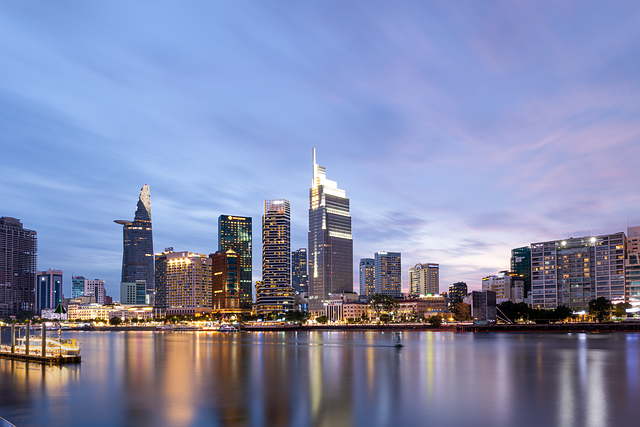
Vietnam’s oil sector is shifting from export-led offshore production toward a more import-dependent system built around two major refineries.

UK oil remains economically important, but mature North Sea fields, high taxes and contested project approvals are accelerating structural decline.

The United States leads global crude production, with Permian growth, Gulf Coast refining and exports defining its complex oil economy.
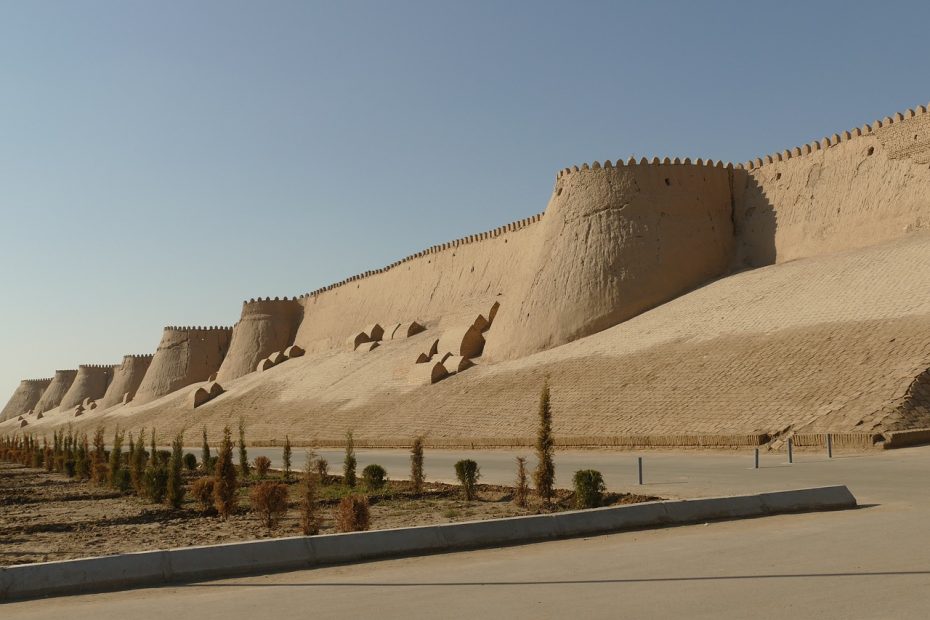
Uzbekistan’s declining crude output, underused refineries and landlocked location are turning oil production into an energy-security challenge.

Turkmenistan’s oil industry is smaller than its gas sector, but western fields, Caspian production, and refining remain economically important.

Turkey’s oil sector combines rising domestic production with deep import dependence, major refineries, and a strategic role in regional crude trade.

The UAE is expanding oil capacity, strengthening Fujairah exports and pursuing an independent market strategy after leaving OPEC in 2026.

Thailand combines limited domestic crude production with a large refining system, making imports, logistics and transport demand central to oil security.

South Sudan’s oil wealth finances the state, but landlocked geography and reliance on pipelines through Sudan make every export route fragile.

South Africa’s oil market is shifting from domestic refining toward imported fuel, placing greater weight on ports, terminals and supply security.

War has reduced Sudan’s oil output, destroyed its main refinery and placed regional pipelines and export income under continuing pressure.