
Switzerland Nuclear
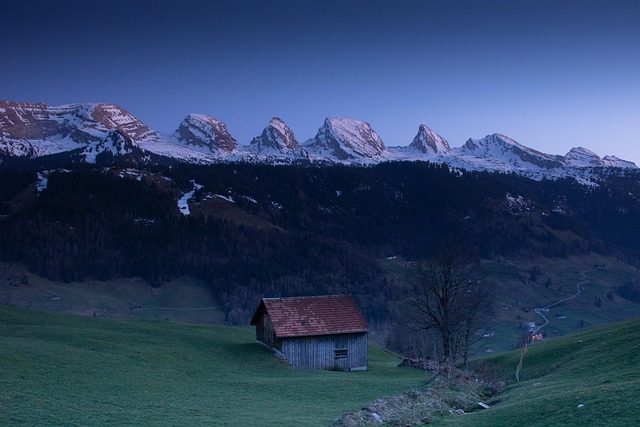
Switzerland still relies on four reactors as it manages an aging fleet, nuclear waste and a political rethink of its long-term phase-out.
Switzerland still relies on four reactors as it manages an aging fleet, nuclear waste and a political rethink of its long-term phase-out.
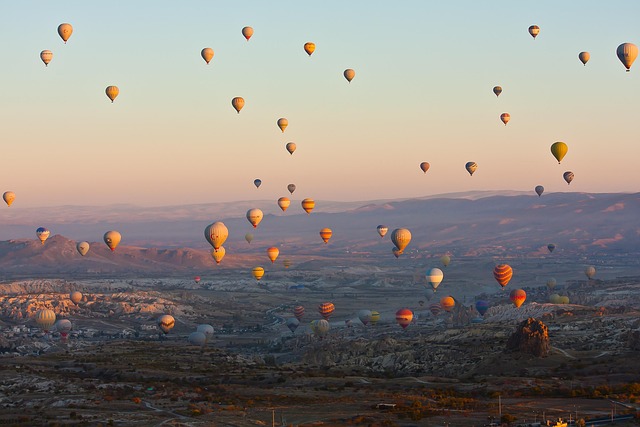
Turkey is preparing to enter commercial nuclear power through Akkuyu while pursuing additional plants, local expertise, and long-term capacity.
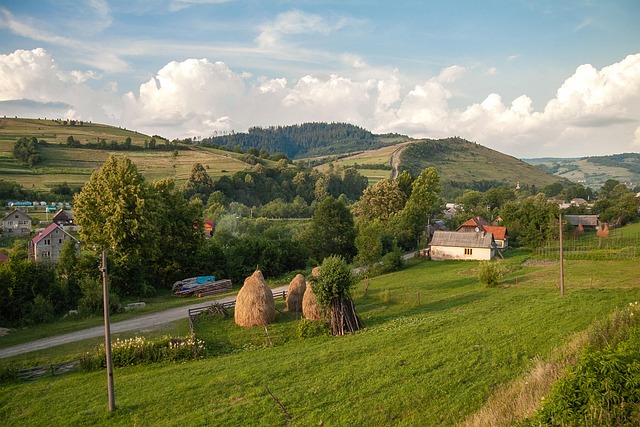
Ukraine’s nuclear fleet remains central to national electricity supply, even as war, occupation and grid damage reshape its long-term future.
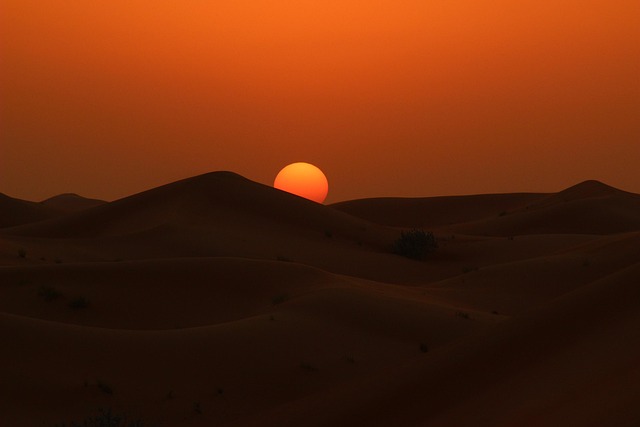
Barakah has made nuclear power a core part of the UAE electricity system, reducing gas use while building a new high-skill energy industry.
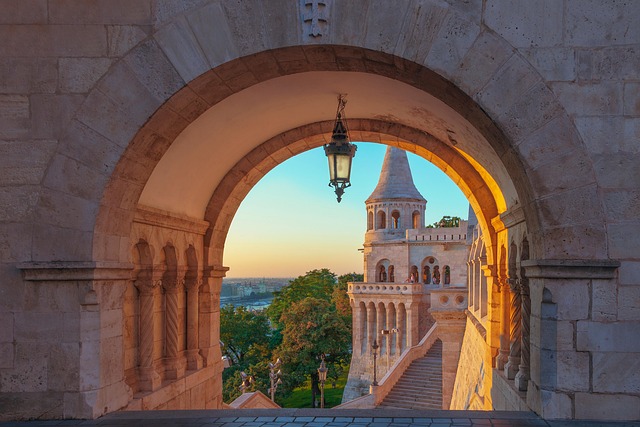
Hungary relies on Paks for about half of its electricity and is extending nuclear power through lifetime upgrades and two new reactors.
Iran’s nuclear power sector remains centred on Bushehr, where reactor expansion is shaped by Russian cooperation, sanctions and security risks.
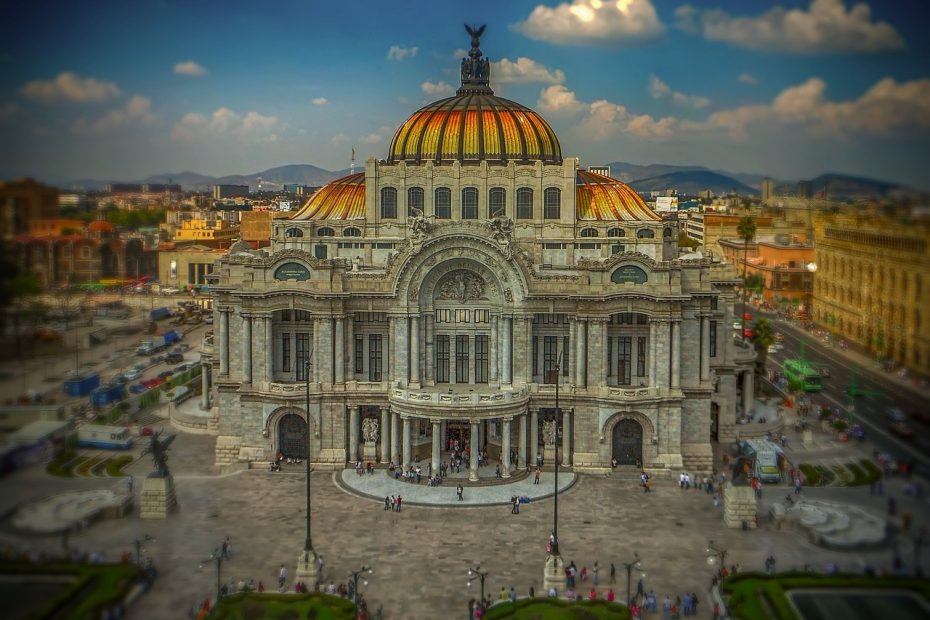
Mexico’s two Laguna Verde reactors provide firm low-carbon power, but policy remains focused on extending their lives rather than building new units.
Lithuania is dismantling the Ignalina nuclear plant while assessing whether small modular reactors could eventually return nuclear power to its grid.
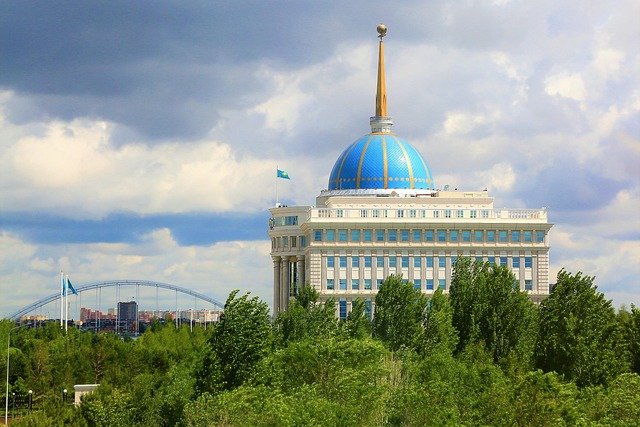
Kazakhstan is moving from uranium leadership toward nuclear generation through the planned Balkhash plant and a wider multi-reactor strategy.
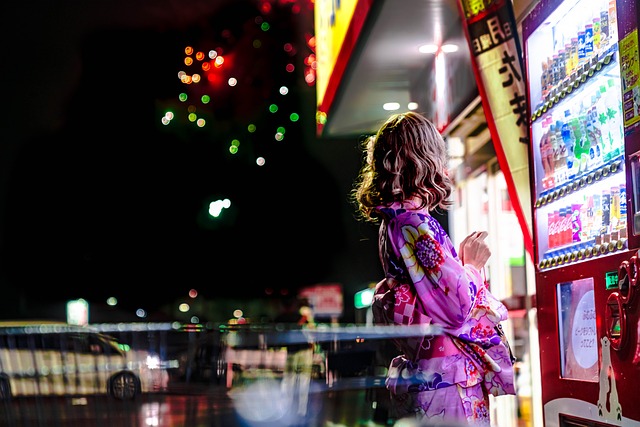
Japan is rebuilding nuclear generation through reactor restarts, stricter regulation, fuel-cycle reform and a renewed focus on energy security.
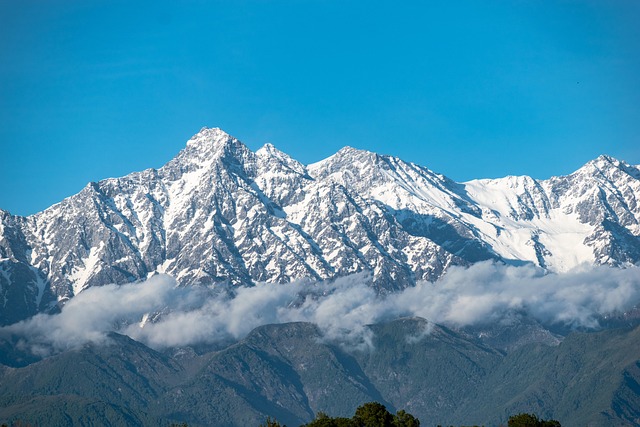
India is preparing a major nuclear expansion built around domestic reactors, new investment rules, fast breeders and small modular designs.
Russia’s nuclear sector combines a large domestic reactor fleet, fast-reactor research, remote power systems and a wide international project network.