
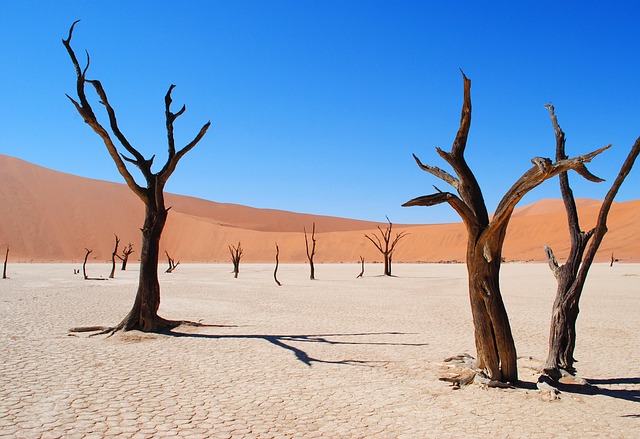
Namibia Nuclear
Namibia is a major uranium exporter now exploring nuclear power, but grid size, finance, regulation and water will determine what is realistic.
Namibia is a major uranium exporter now exploring nuclear power, but grid size, finance, regulation and water will determine what is realistic.
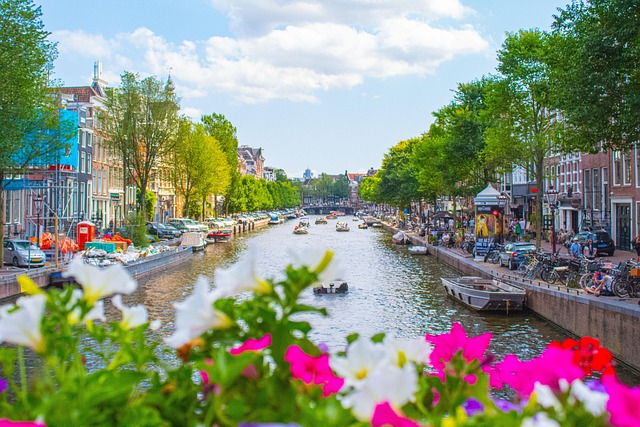
The Netherlands plans to extend Borssele and prepare new reactors as firm low-carbon power for a grid increasingly shaped by wind and solar.
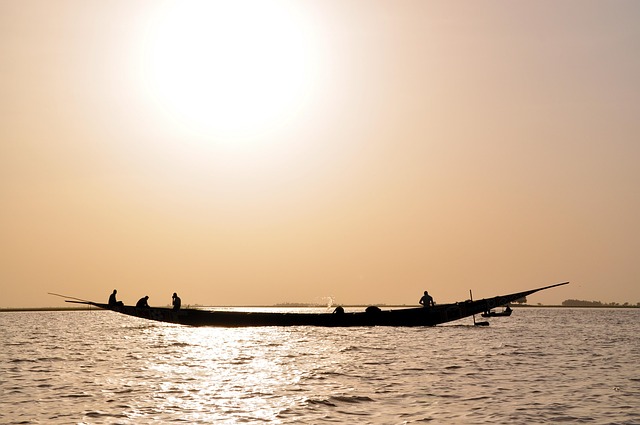
Niger’s nuclear sector is built on uranium rather than reactors, with mining control, export routes and domestic energy needs shaping its future.
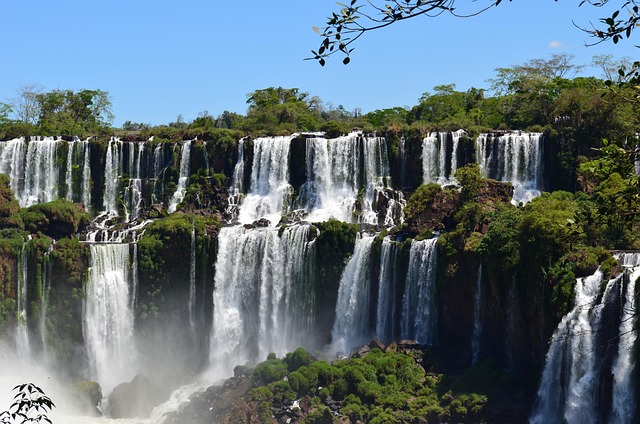
Argentina combines three operating reactors, a deep domestic nuclear industry and ambitious plans for life extensions, research reactors and SMRs.
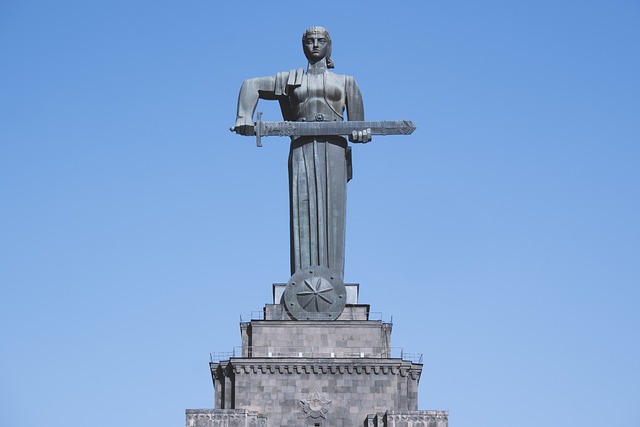
Armenia relies on one nuclear reactor for a major share of its electricity while extending Metsamor and evaluating an SMR replacement after 2036.
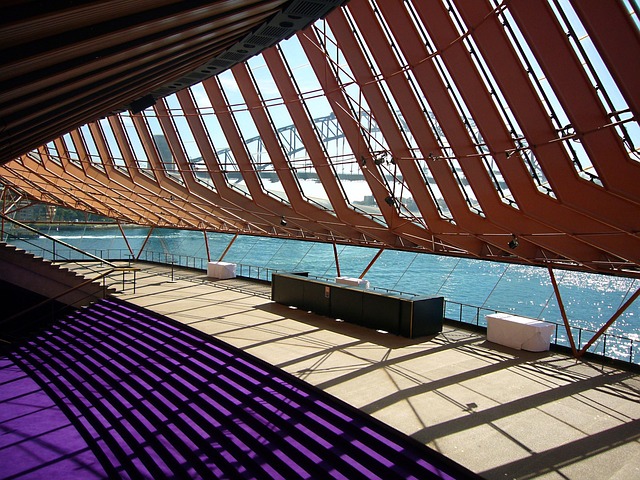
Australia holds vast uranium resources and advanced nuclear expertise, yet commercial nuclear power remains prohibited and absent from its electricity mix.
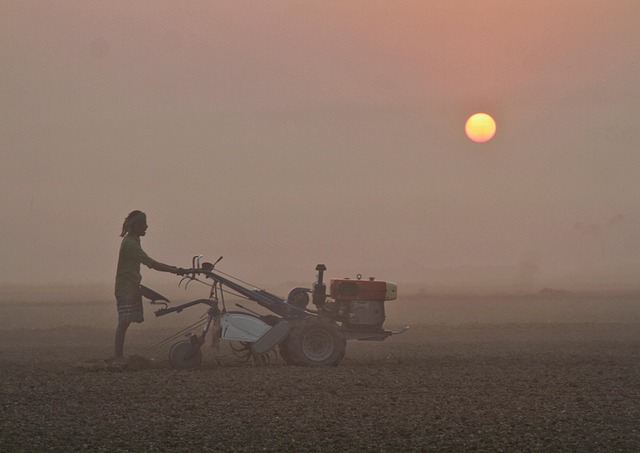
Bangladesh is entering the nuclear power era through the two-unit Rooppur plant, a major Russian-backed project approaching electricity production.
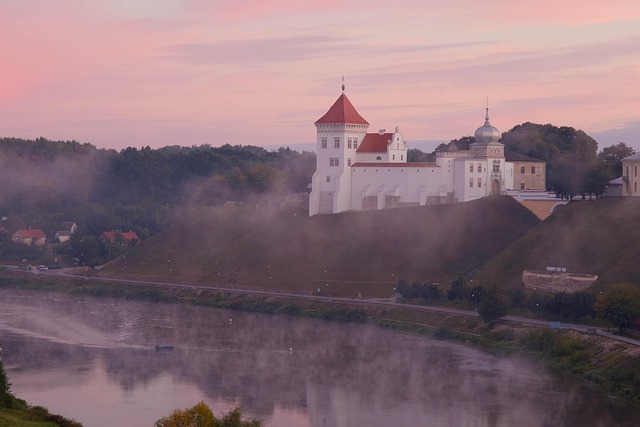
Belarus has moved from gas-heavy electricity to a nuclear-led system, with Ostrovets supplying about 40% of national power and expansion planned.
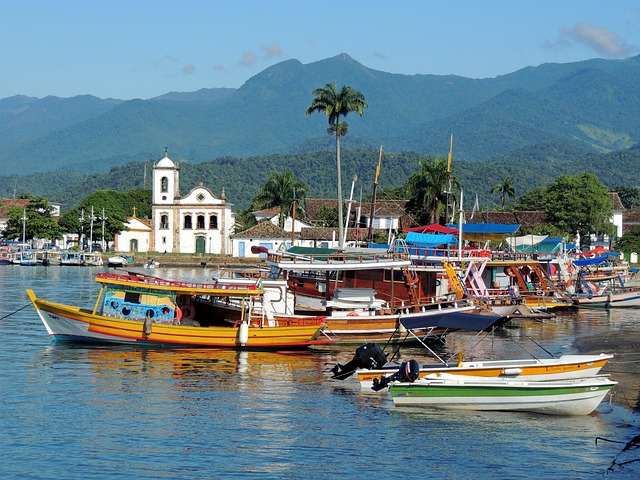
Brazil’s nuclear sector combines two operating reactors, an unfinished third unit, and a domestic fuel cycle with wider strategic potential.
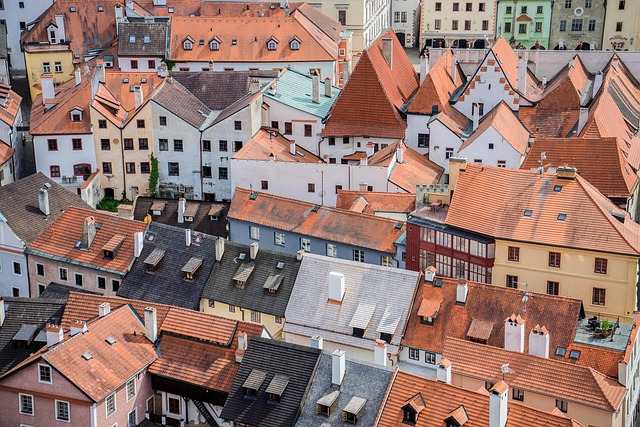
Czechia is extending six operating reactors while advancing two new Dukovany units, diversified fuel supply, and an emerging SMR program.
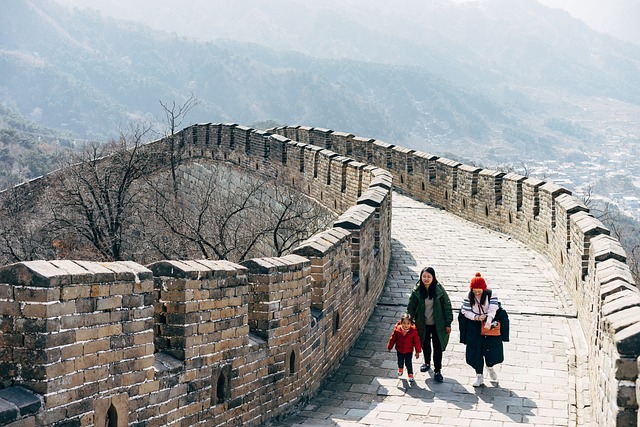
China is building nuclear power at unmatched scale, using standardized domestic reactors to support energy security, industry and lower-carbon growth.
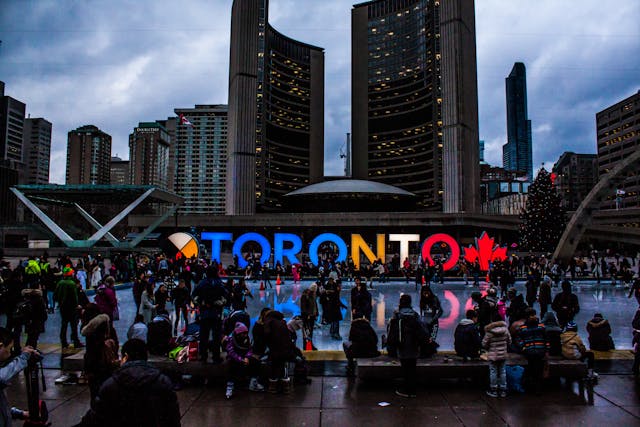
Canada is extending its CANDU fleet while preparing new SMRs, large reactors and a broader national role for nuclear power and exports.