
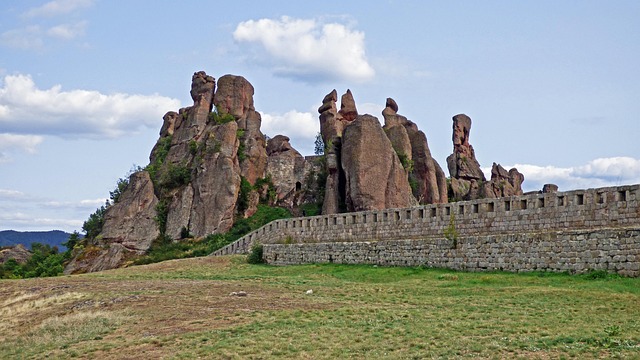
Bulgaria Nuclear
Bulgaria is extending Kozloduy’s operating life while diversifying reactor fuel and preparing two AP1000 units for its next nuclear era.
Bulgaria is extending Kozloduy’s operating life while diversifying reactor fuel and preparing two AP1000 units for its next nuclear era.
Belgium has replaced a full nuclear exit with a smaller two-reactor strategy, extending Doel 4 and Tihange 3 while dismantling older units.
Egypt’s El Dabaa project is turning a decades-old nuclear ambition into four large reactors designed to strengthen long-term electricity security.
Finland’s five-reactor nuclear system combines high electricity output, long-term plant operation and a pioneering spent-fuel repository.
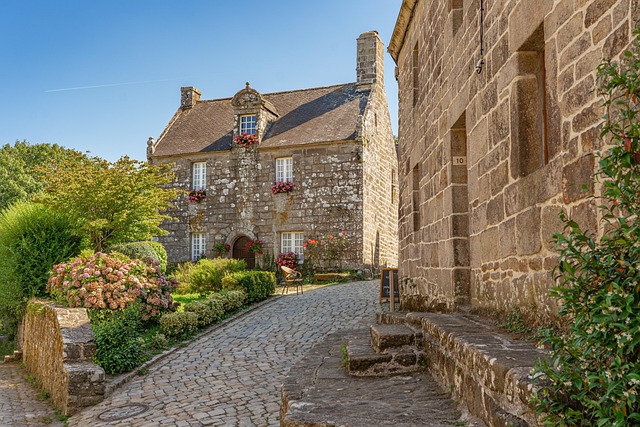
France is renewing a vast nuclear fleet while operating Flamanville 3 and preparing six EPR2 reactors for the next generation.
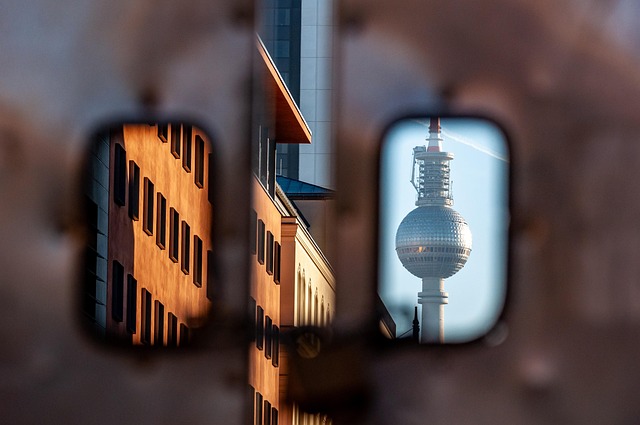
Germany has ended nuclear power generation, but decommissioning, radioactive waste and long-term storage now define its nuclear sector.
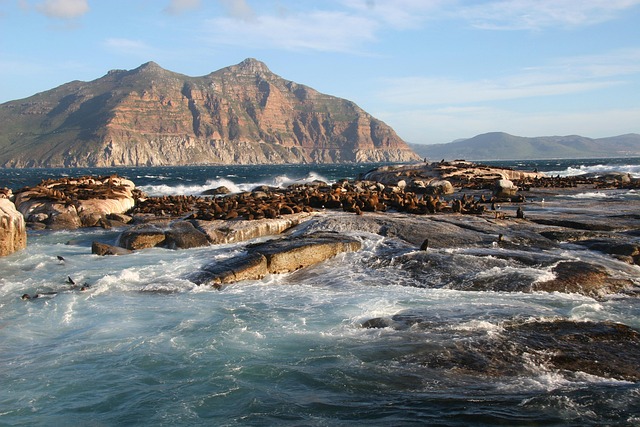
South Africa has secured Koeberg through the 2040s, but financing, public trust and procurement will decide whether new nuclear capacity follows.
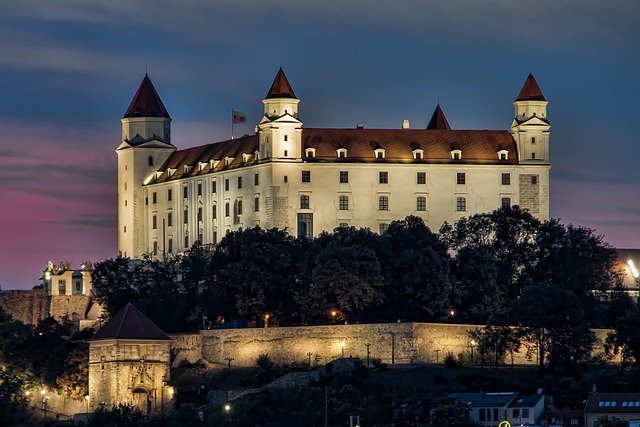
Slovakia relies on nuclear power for most electricity as Mochovce expands, fuel supplies diversify and plans for new reactors take shape.
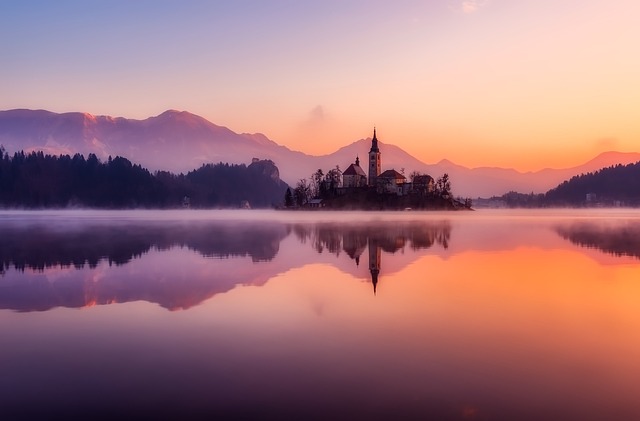
Slovenia’s nuclear future rests on extending Krško to 2043 while deciding whether the larger JEK2 project can secure public and financial support.
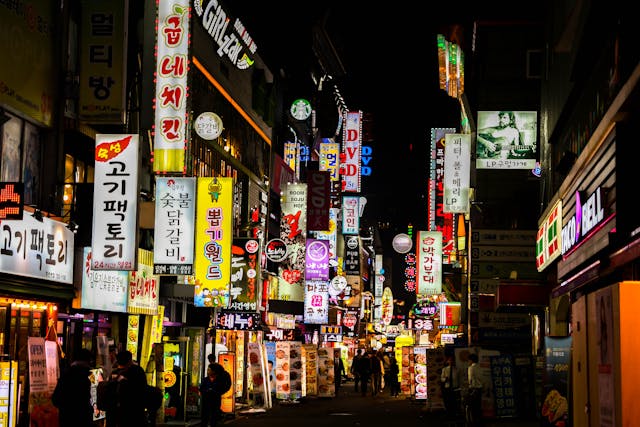
South Korea is expanding nuclear generation at home while using its reactor industry to compete for major construction projects abroad.
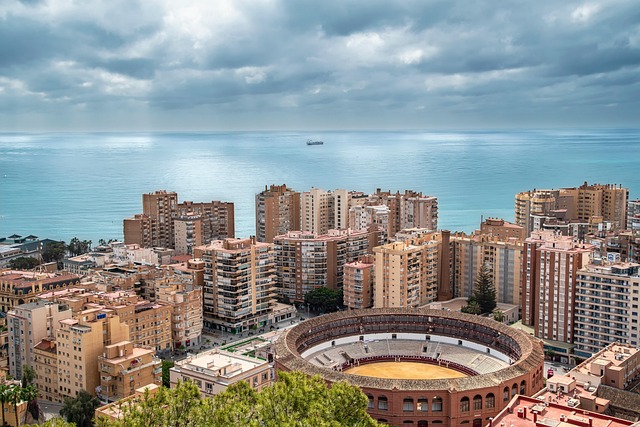
Spain plans to close its nuclear fleet by 2035, but energy security, grid stability, and plant economics have reopened the debate.
Sweden is extending six reactors while advancing state-backed SMR projects to support industry, grid stability and rising electricity demand.