Switzerland’s energy infrastructure is shaped by geography more than almost any other factor. The country’s mountains, rivers, reservoirs, valleys, and central position in Europe define how electricity is generated, moved, stored, and traded. Hydropower remains the backbone of the system, nuclear power provides stable baseload generation, and the transmission grid links Swiss supply to surrounding European markets.
The Swiss infrastructure challenge is not basic electrification. It is maintaining a highly reliable system while the electricity mix changes, nuclear policy evolves, solar power grows, winter demand remains difficult, and cross-border power flows become more complex. Switzerland has one of Europe’s most strategically located electricity systems, but its grid must operate in a constrained landscape where new lines are difficult to permit and where energy security depends partly on cooperation with neighboring countries.
Hydropower Is the Core of Swiss Energy Infrastructure
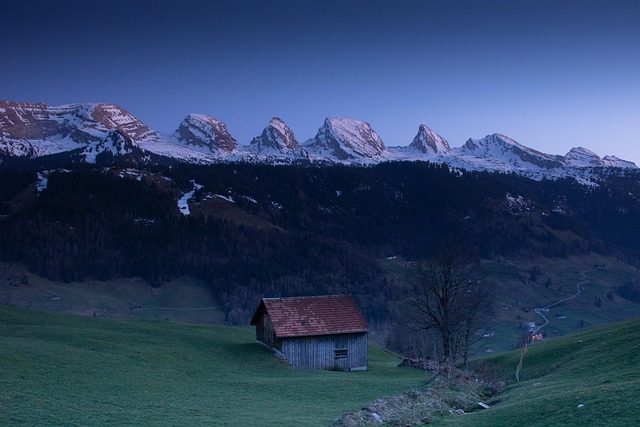
Hydropower is Switzerland’s most important domestic electricity resource. Alpine reservoirs, run-of-river plants, and pumped-storage facilities give the country a power system with unusually strong storage and flexibility characteristics. Reservoir hydropower is especially valuable because it can respond to demand, price signals, seasonal conditions, and system-balancing needs.
This gives Switzerland a different infrastructure profile from countries dominated by fossil fuel plants or flat-land renewables. Dams, tunnels, pressure shafts, high-altitude reservoirs, and valley transmission corridors are central energy assets. Many of these facilities are also tied to water management, flood control, tourism landscapes, and local environmental concerns. Energy infrastructure in Switzerland is therefore not only a power-sector issue. It is built directly into the physical management of Alpine territory.
Pumped-storage plants strengthen Switzerland’s role in the European electricity system. They can absorb electricity when supply is abundant and release it when demand is higher. This makes Swiss hydropower useful not only for domestic reliability but also for regional balancing. As solar and wind production grow across Europe, flexible hydropower infrastructure becomes more valuable.
The limitation is seasonality. Switzerland can export surplus electricity during parts of the year, especially when hydropower production is strong, but winter supply remains more difficult. Lower river flows, heating demand, reduced solar output, and dependence on imports can all increase pressure on the system. This makes winter adequacy one of the most important infrastructure questions in the Swiss energy debate.
Nuclear Power Still Supports Grid Stability
Switzerland’s nuclear plants remain a major part of the country’s electricity infrastructure. They provide stable generation that complements hydropower and reduces the need for fossil-fired power. Although Swiss policy has moved away from building new nuclear plants, the existing reactors continue to shape system reliability, electricity supply, and grid operation.
The long-term issue is replacement. As nuclear units eventually retire, Switzerland will need enough generation, storage, demand flexibility, imports, and grid capacity to replace their contribution. Solar power is growing quickly, but solar production is seasonal and weather-dependent. Hydropower provides flexibility, but much of the best hydro potential has already been developed. Wind remains limited compared with many European countries. This means the future of Swiss infrastructure depends on how the country manages the gap between nuclear output, renewable growth, and winter demand.
Nuclear retirements would also affect transmission flows. A system with less steady baseload generation and more distributed solar requires different operating tools. Voltage control, balancing markets, reserve capacity, and distribution-grid coordination all become more important. Switzerland’s energy infrastructure is therefore shifting from a model based on large hydro and nuclear assets toward one that must integrate more decentralized generation without weakening reliability.
Swissgrid and the Transmission System of a Central European Power Hub
Swissgrid, the national transmission system operator, manages the high-voltage backbone of the Swiss electricity system. Its grid connects major generation regions, industrial and urban demand centers, and neighboring electricity markets. Switzerland’s location makes this infrastructure strategically important. Power flows between France, Germany, Austria, and Italy can affect Swiss grid operations, even when the electricity is not produced or consumed in Switzerland.
This cross-border role is an advantage and a burden. It gives Switzerland access to imports, export opportunities, and regional balancing. But it also exposes the grid to external market conditions, unexpected flows, and the operational complexity of being surrounded by large power systems. Switzerland’s lack of a fully settled electricity agreement with the European Union has added another layer of difficulty, because market coordination and technical grid management are increasingly linked.
Swissgrid’s Strategic Grid 2040 is designed to prepare the system for these pressures. The plan includes major projects to reinforce existing lines, build new lines, dismantle older infrastructure where possible, and improve cross-border exchange. The approach is not simply to build everywhere. Switzerland often prioritizes optimizing and upgrading existing infrastructure before expanding it, partly because land, public acceptance, environmental protection, and permitting are major constraints.
The Grid Must Modernize Without Damaging the Landscape It Crosses
Switzerland’s transmission development is unusually sensitive to geography and public acceptance. New overhead lines can face resistance because they affect mountain views, valleys, settlements, tourism areas, and protected environments. This pushes grid planners toward solutions that combine infrastructure needs with other national projects where possible.
The Gotthard corridor illustrates this logic. Routing electricity infrastructure through or alongside major transport corridors can reduce land impacts and limit the need for entirely separate routes. Underground cabling is not always technically or economically simple at transmission level, but in selected cases it can help Switzerland modernize its grid while reducing visual and environmental disruption.
Substations, transformers, and phase-shifting equipment are also important. Grid reliability is not only about long lines. It depends on controlling flows, managing voltage, maintaining reserve capacity, and ensuring that electricity can move safely across congested points. Phase-shifting transformers in western Switzerland, for example, can improve the management of cross-border flows and strengthen Switzerland’s connection to neighboring markets.
Solar Growth Moves Pressure Down Into Distribution Networks
Solar power is becoming more important in Switzerland, especially on rooftops, commercial buildings, and local distribution networks. This changes the infrastructure problem. Large hydropower and nuclear plants connect at higher levels of the grid, while much of the new solar capacity is decentralized. That means distribution system operators must manage more two-way flows, local voltage issues, and variable production.
The rise of solar also increases the value of batteries, flexible consumption, smart meters, and local energy communities. Switzerland’s future electricity system will depend more heavily on coordination between the transmission grid and distribution grids. During sunny periods, local solar output can reduce demand from the transmission system. During evening peaks or winter periods, the same areas may still need strong supply from the wider grid.
This makes digital infrastructure part of energy infrastructure. Forecasting, grid monitoring, flexible tariffs, and balancing tools will become more important as solar grows. The Swiss system’s high reliability standard will require more active management rather than simply more physical assets.
Cross-Border Trade and Winter Security
Switzerland’s energy infrastructure cannot be understood only within national borders. The country imports and exports electricity depending on season, hydrology, demand, and prices. In summer, hydropower and solar can support exports. In winter, Switzerland may rely more heavily on imports from neighboring countries.
That winter import requirement is one of the most important vulnerabilities in the system. Neighboring countries are also changing their energy mixes, closing some firm generation, expanding renewables, and dealing with their own grid constraints. Switzerland therefore needs both domestic infrastructure and reliable market access. Hydropower reserves, grid reinforcement, demand-side flexibility, and regional coordination all contribute to winter security.
The challenge is to preserve Switzerland’s role as a flexible European electricity hub while ensuring that domestic consumers and industry have secure supply in tight periods. Infrastructure planning must account for weather, water availability, nuclear output, solar growth, and conditions in neighboring power markets.
The Infrastructure Outlook for Switzerland
Switzerland’s energy infrastructure is strong, but it is entering a more complex phase. Hydropower gives the country flexibility and storage value, nuclear power continues to support stable supply, and the transmission grid is central to European electricity flows. At the same time, solar expansion, winter adequacy, slow permitting, cross-border coordination, and eventual nuclear replacement all require careful infrastructure planning.
The most important issue is not whether Switzerland has high-quality energy assets. It does. The issue is whether those assets can be adapted quickly enough for a more decentralized, seasonal, and interconnected electricity system. Switzerland’s infrastructure future will be determined by grid modernization, hydropower management, solar integration, and the country’s ability to secure reliable winter supply without losing the flexibility that makes its power system so valuable.