Mozambique’s natural gas sector is built around two very different systems. In the south, the mature Pande and Temane fields supply industries, power plants, households, and customers in neighboring South Africa. In the far north, enormous offshore discoveries in the Rovuma Basin are supporting a new generation of floating and onshore liquefied natural gas projects.
This split defines the country’s opportunity. Mozambique already exports gas and LNG, but its largest developments are still being built or assessed. Their scale could make it one of Africa’s leading LNG suppliers, although export growth will not automatically create broad domestic development.
Pande and Temane Created Mozambique’s First Gas Economy
Commercial gas production began in southern Mozambique in 2004. Gas from the Pande and Temane fields is processed at the Central Processing Facility in Temane and transported through an approximately 867-kilometer pipeline toward Secunda in South Africa. The system also supplies the Mozambican market and has been expanded as demand has grown. [1]
This older industry is smaller than the Rovuma Basin developments, but it has a more direct connection with the domestic economy. Gas serves power producers and manufacturers in Inhambane, Gaza, and Maputo, as well as commercial and residential customers in several local distribution areas.
The Pande-Temane system shows that natural gas in Mozambique is not only an export commodity. It supports electricity generation, industrial heat, vehicle fuel, and local distribution. The production-sharing development around Inhassoro, Temane, and Pande also includes gas for the 450-megawatt Temane Thermal Power Plant, LPG for the domestic market, and light oil production. [1]
The domestic network remains limited, and most infrastructure follows specific industrial and export corridors. Expanding local use will require more than reserving gas on paper. It will require power plants, industrial facilities, pipelines, finance, and customers able to sign long-term purchase agreements.
Coral South Turned Offshore Reserves into Real Exports
The Rovuma Basin changed Mozambique’s position in the global gas industry. Discoveries in Offshore Areas 1 and 4 revealed resources large enough to support several LNG developments, but the first project to reach production was Coral South.
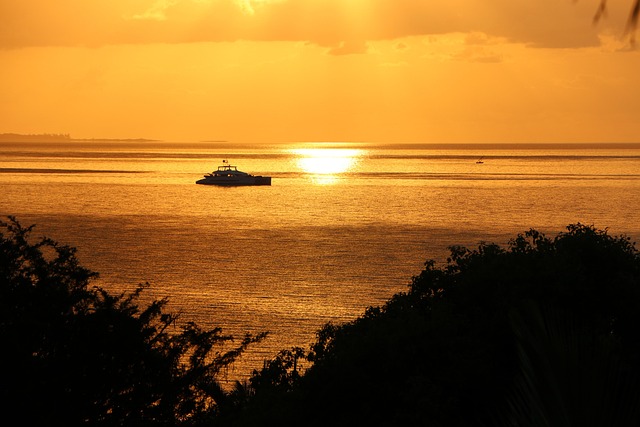
Coral South uses a floating LNG unit located in deep water offshore Cabo Delgado. Production began in 2022, allowing gas to be extracted, processed, liquefied, stored, and loaded for export without first building a large onshore liquefaction plant. Its liquefaction capacity is about 3.4 to 3.6 million tonnes per year. [2]
By the end of 2025, Coral South had produced about 9.49 million tonnes of LNG and completed 127 export shipments. This operating record gave Mozambique a working LNG industry while larger onshore projects remained delayed. [1]
The project demonstrated the value of floating development in a difficult operating environment. Offshore liquefaction reduces the infrastructure required on land and allowed Mozambique to begin earning LNG revenue before its planned onshore terminals.
Coral South also created a repeatable development model. Its production history supported the move to Coral North, which will use another floating unit on the same reservoir.
Coral North and Mozambique LNG Have Changed the Project Timeline
Mozambique’s LNG expansion gained momentum in 2025 and 2026. Eni and its partners reached a final investment decision on Coral North in October 2025. The project is designed for 3.6 million tonnes of LNG capacity per year and is targeting delivery in 2028. Together, Coral South and Coral North are expected to raise national LNG capacity to more than 7 million tonnes per year. [3]
The larger change came at the Mozambique LNG project in Area 1. Led by TotalEnergies, this development includes the Golfinho and Atum fields and two onshore liquefaction trains with combined capacity of about 13.1 million tonnes per year. Construction was suspended under force majeure in 2021 after attacks in Cabo Delgado forced personnel to leave the Afungi site.
The consortium lifted force majeure in November 2025, and a full restart of onshore and offshore activity was announced in January 2026. TotalEnergies reported that more than 4,000 workers had been mobilized, that the project was about 40 percent complete, and that first LNG was expected in 2029. [4]
A third major development, Rovuma LNG, remains earlier in the investment process. The proposed Area 4 project is designed around two liquefaction modules of 7.6 million tonnes per year each, for total capacity of 15.2 million tonnes. As of May 2026, Mozambique was technically assessing an amended development plan, with a final investment decision expected after government approval. [5]
These projects are at different stages. Coral North has reached final investment decision, Mozambique LNG has restarted construction, and Rovuma LNG still requires approvals and an investment decision. Operating, committed, and proposed capacity should not be treated as the same thing.
Domestic Gas Use Will Determine the Wider Economic Impact
Mozambique requires a share of produced gas to be made available for the domestic market. The petroleum framework provides for 25 percent of oil and gas production to be available for domestic use, although the timing, price, infrastructure, and actual demand will determine how much can be absorbed. [1]
The planned volumes are substantial. Mozambique LNG includes provision for domestic gas, beginning with 100 million cubic feet per day and eventually reaching 400 million cubic feet per day. Across approved Rovuma Basin LNG developments, the authorities expect more than 900 million cubic feet per day could become available for domestic projects. [1]
That gas could support electricity generation, fertilizer, petrochemicals, mining, cement, and transport fuel while building local engineering, maintenance, logistics, and training activity.
The main obstacle is coordination. A fertilizer plant or gas-fired power station needs a bankable gas price, transport infrastructure, buyers, and finance. Without those elements, most offshore gas will leave as LNG while domestic allocations remain underused.
Security and Execution Still Shape the Outlook
The scale of Mozambique’s gas resources is no longer the main uncertainty. The larger questions concern security, project execution, finance, and the state’s ability to convert future revenue into durable development.
The restart of Mozambique LNG followed new security arrangements in Cabo Delgado and cooperation between Mozambique and Rwanda. The project remains exposed to instability, construction delays, lender decisions, and cost inflation. [4] Rovuma LNG still needs approval and final investment decision, while Coral North must deliver on schedule.
Mozambique could have more than 35 million tonnes per year of LNG capacity if Coral South, Coral North, Mozambique LNG, and Rovuma LNG all operate at their planned scale. That outcome would place the country among the world’s more important LNG exporters. It would also make public finance and national planning increasingly sensitive to project schedules and global gas markets.
The most successful outcome would not be measured only by cargoes shipped. It would include dependable domestic power, new industries, skilled employment, local suppliers, and transparent management of gas revenue. Mozambique has already moved beyond resource potential by operating Coral South. The next phase will show whether it can build an integrated gas economy rather than a collection of export projects.