Chile’s energy infrastructure is being reshaped by a geographic problem: much of the country’s best renewable generation is far from its largest centers of demand. Solar power is concentrated in the north, while major consumption is centered around Santiago, industrial zones, mines and large cities farther south. Hydropower and wind resources add another regional layer. Chile’s transition is therefore no longer mainly about building generating capacity. It is about moving, balancing and securing electricity across one of the world’s longest national grids.
The country has developed a sophisticated power market and a rapidly changing generation mix, but transmission congestion, renewable curtailment, storage needs and reliability concerns now shape the sector. The infrastructure built during the next decade will determine how much of Chile’s renewable potential becomes dependable electricity, industrial growth and lower exposure to imported fuels.
A Long Grid Serving a Narrow Country
Most of Chile is supplied through the Sistema Eléctrico Nacional, or SEN, which links the main population and industrial centers from the far north to the south-central region. Smaller systems serve the more isolated areas of Aysén and Magallanes. The national system creates a broad electricity market, but it also operates across long distances, difficult terrain and sharply different regional demand patterns.
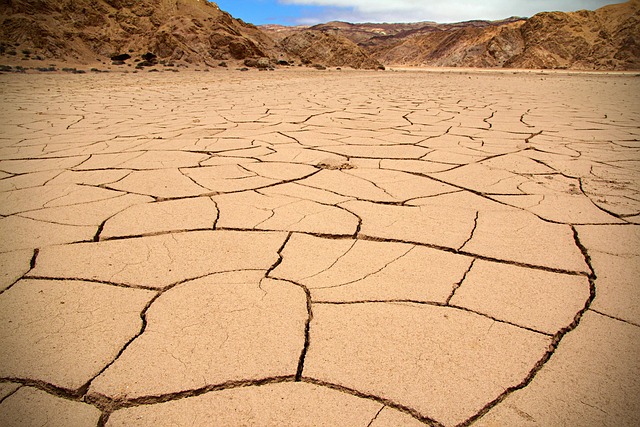
Northern Chile has exceptional solar resources and a large concentration of mining activity. Copper and lithium operations require reliable power for extraction, processing, pumping and desalination. Central Chile contains the largest urban and commercial loads, while the south includes important hydroelectric and wind resources. The grid must manage flows that change according to sunlight, wind, reservoir conditions and industrial demand.
Chile had roughly 37.4 gigawatts of installed capacity in March 2025, with non-conventional renewable sources slightly exceeding conventional capacity. New solar and wind plants can be built faster than major transmission corridors, creating a mismatch between generation growth and the network needed to use it.
Renewable Growth Has Moved Faster Than the Network
Solar production can exceed local demand during the middle of the day in northern regions, while transmission constraints restrict the amount of electricity that can move toward central demand centers. Available renewable electricity is then curtailed because the system cannot absorb or transport all of it.
Congestion also creates large differences between regional electricity prices. A surplus area may experience very low short-term prices while consumers elsewhere remain dependent on more expensive generation. This weakens project revenues even when national demand for clean electricity remains strong.
The problem becomes more important as Chile retires or converts coal-fired units. Thermal plants have provided energy, inertia, frequency response and other system services. Replacing their output is only part of the task. The network must also replace the functions that stabilize voltage and frequency. Transmission, storage, grid-forming technology, demand response and improved operating rules must develop together.
Kimal–Lo Aguirre Is the Main North–South Project
The Kimal–Lo Aguirre high-voltage direct-current project has become the clearest symbol of Chile’s transmission challenge. The planned line is designed to move approximately 3,000 megawatts from the Antofagasta area toward the Santiago region. Its environmental approval in 2025 advanced a project with an estimated investment of about US$1.5 billion.
Kimal–Lo Aguirre is intended to reduce congestion, improve the use of northern solar and wind generation, and support coal retirement without weakening supply security. High-voltage direct current is well suited to moving large quantities of electricity over long distances with lower losses and greater controllability than a comparable alternating-current route.
The project also illustrates why transmission planning is difficult. Large lines cross multiple regions, require land access, environmental review and community engagement, and take years to develop. Even after Kimal–Lo Aguirre enters service, further reinforcements will be needed as electricity demand rises and new wind, storage, hydrogen and industrial projects connect.
Batteries Are Becoming Core Operating Infrastructure
Battery energy storage has moved from a supporting technology to a central part of Chile’s power system. By the end of 2025, around 1.7 gigawatts of battery storage was operating, with another 600 megawatts in testing. Batteries were already supplying energy equal to roughly 4% of daily electricity consumption.
Most projects are being developed in northern and central regions, where they can charge during periods of abundant solar production and discharge after sunset. This reduces curtailment, supports evening demand and allows renewable projects to sell electricity during higher-value hours. Storage can also provide reserves, frequency control and voltage support.
Chile’s system operator has identified a need for multi-hour storage, particularly installations capable of operating for six to eight hours. This reflects the country’s daily solar pattern: a large daytime surplus must be shifted into the evening and overnight period. The next stage will require more advanced controls, grid-forming inverters and clearer market rules for compensating storage for the services it provides.
The 2025 Blackout Changed the Reliability Debate
The nationwide blackout of February 25, 2025 made system resilience a more urgent issue. A transmission event in the 500-kilovolt corridor in the Norte Chico area propagated across the SEN, dividing it into northern and southern islands that could not maintain stable operation. The interruption affected almost the entire country, with the regulator estimating that 98.5% of the population lost power.
Analysis identified weaknesses involving protection settings, premature generator disconnections, automatic load shedding, communications and the visibility and remote control of some facilities. The event showed that an interconnected system can move electricity efficiently under normal conditions but can also spread failures rapidly when equipment and operating responses do not perform as expected.
Chile’s response has included technical audits, stronger requirements for generators and storage systems, changes to service-restoration planning and new tools for identifying operational risks. These measures are as important as new lines. A modern grid requires reliable communications, real-time data, tested emergency procedures and equipment able to remain connected during disturbances.
Mining, Gas Terminals and Hydrogen Add New Demands
Chile’s wider energy system also includes LNG terminals, fuel storage, ports and industrial networks. The LNG terminals at Quintero and Mejillones have helped diversify gas supply and provide fuel for power generation and industry. Gas-fired plants remain useful during weak hydropower conditions, low renewable output or transmission constraints.
Mining will continue to shape infrastructure decisions in the north. Electrified operations, water pumping and desalination plants can create large, concentrated loads. Proposed green hydrogen and ammonia projects may require dedicated renewable generation, transmission, pipelines, storage and port facilities. Some may operate partly outside the existing grid, while others could add major new demand.
Chile therefore needs coordinated planning across electricity, water, mining, transport and export infrastructure. Building generation without transmission creates curtailment. Building hydrogen production without ports or pipelines creates another bottleneck. The value of each asset increasingly depends on the surrounding network.
Chile’s Next Infrastructure Test
Chile has shown that it can attract renewable investment and transform its power mix. Its next test is whether infrastructure can develop at the same speed. Kimal–Lo Aguirre, regional reinforcements, battery storage and stronger reliability standards will determine how effectively the country uses its solar and wind resources.
The central issue is no longer a shortage of energy potential. It is the ability to connect that potential to consumers while maintaining stability, affordability and public support. If transmission, storage and system control advance together, Chile can build one of Latin America’s most flexible low-carbon power systems.