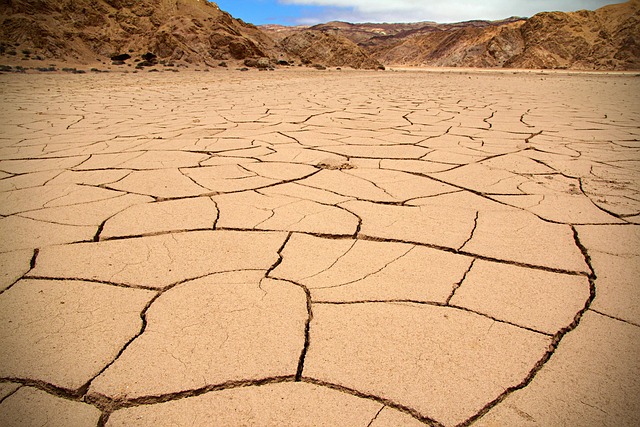
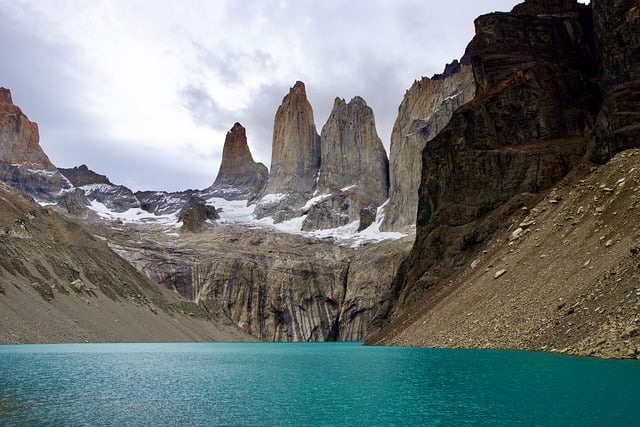
Chile’s energy system is shaped by three powerful facts: the country imports most of its fossil fuels, its mining industry needs huge amounts of electricity, and its geography gives it some of the best renewable energy resources in the world. The Atacama Desert in the north has exceptional solar potential. Patagonia and Magallanes offer strong wind resources. Hydropower has long supported the grid, but drought risk has made water-based electricity less secure. Chile’s energy story is therefore not simply about moving from coal to renewables. It is about building a reliable system for copper, lithium, cities, ports, transport and households across one of the longest countries on Earth.
Why Chile’s Energy System Matters
Chile is not one of Latin America’s major oil or gas producers, but it is one of the region’s most important energy transition cases. The country has a modern economy, a large mining sector and strong demand for reliable electricity. Copper and lithium make Chile important to global clean energy supply chains, but producing those minerals also requires power, water, transport fuel and heavy infrastructure.
This creates a central energy tension. Chile wants to cut emissions and reduce dependence on imported fossil fuels, but it must also supply enough electricity for mines, cities, ports and industry. A weak power system would hurt exports and economic growth. A fossil-heavy system would leave the country exposed to fuel prices and climate pressure. A renewable-heavy system needs transmission lines, storage and flexible backup.
Chile’s energy future depends on whether it can connect its natural advantages to its industrial needs.
Coal in Chile: A Fuel Being Pushed Out of the Power System
Coal was once a major part of Chile’s electricity supply, especially because imported coal could support large thermal power stations near coastal industrial zones. Coal helped provide steady power for the grid, but it also became one of the clearest targets of Chile’s decarbonization strategy.
Chile has committed to closing or converting its coal-fired power plants, with a national phaseout date set for 2040 and political pressure to move faster. Several coal units have already closed, and more are scheduled for retirement or possible conversion. This makes Chile different from countries where coal is still expanding. In Chile, the question is not whether coal will remain central forever. The question is how quickly it can be replaced without creating reliability problems.
The coal transition is also a local issue. Coal plants are connected to workers, ports, industrial towns and local tax bases. Closing them affects communities, not only electricity statistics. Chile’s challenge is to replace coal with renewables, storage and transmission while also giving affected regions a realistic economic path after coal.
Natural Gas in Chile: LNG, Backup Power and Import Risk
Natural gas plays a supporting role in Chile’s energy system. It is less dominant than in some countries, but it matters for electricity generation, industrial heat and energy security. Gas can help balance the grid when solar, wind and hydropower output changes. This makes it useful during the transition away from coal.
Chile’s gas story is shaped by imports. The country has limited domestic gas production, with much of its local gas activity linked to the far south, especially the Magallanes region. For wider national supply, Chile depends heavily on imported natural gas, including liquefied natural gas. LNG terminals such as Quintero and Mejillones became important after Chile’s earlier reliance on Argentine pipeline gas proved risky.
This history still matters. Chile learned that depending too heavily on one foreign gas route can create a national energy problem. LNG gave the country more supply flexibility, but it also connected Chile to global gas prices. In the future, gas may remain useful as backup power, but Chile will need to avoid building a system that replaces coal dependence with long-term gas dependence.
Oil in Chile: Imported Fuel for Transport and Industry
Oil is central to Chile’s energy use even though it is not central to electricity generation. Most oil demand comes from transport, mining equipment, freight, aviation, shipping and industrial activity. Trucks moving goods through the long north-south corridor, ships serving Chilean ports, and vehicles in Santiago and other cities all depend on liquid fuels.
Chile produces only a small amount of crude oil, so it relies heavily on imports. This makes oil a major energy security issue. When global oil prices rise, Chile feels the effect through fuel costs, transport costs and inflation pressure. Even as electricity becomes cleaner, oil remains difficult to replace in heavy transport, aviation and some industrial uses.
Chile’s refining and fuel logistics system is therefore important. The national oil company ENAP plays a central role in refining, storage and fuel supply. Refineries and maritime terminals help move imported crude and refined products into the national economy. Over time, electric vehicles, public transport electrification and cleaner fuels could reduce oil demand, but oil will remain part of Chile’s energy system for years.
Electricity Infrastructure in Chile: The Long Grid Problem
Chile’s electricity infrastructure is one of the most important parts of its energy story. The country is long and narrow, with major renewable resources in the north and major demand centers in the center. The Atacama Desert can produce large amounts of solar power, but much of Chile’s population and electricity demand is farther south, around Santiago and the central regions.
This creates a grid problem. Building renewable energy is not enough. Chile must also move that electricity across long distances. Transmission bottlenecks have already caused renewable energy curtailment, meaning solar and wind plants sometimes produce power that cannot be fully used because the grid cannot carry it where it is needed.
The Kimal-Lo Aguirre transmission project is one of the clearest examples of Chile’s infrastructure challenge. It is designed to move large amounts of electricity from the northern renewable energy zones toward central demand. Projects like this are not just technical upgrades. They are central to whether Chile can actually use its renewable potential.
The grid also needs storage, flexible generation, better distribution networks and smarter system operation. Without those upgrades, Chile could have a strange energy problem: abundant clean power in one region, but not enough deliverable power where people and industry need it.
Nuclear Energy in Chile: Research Capacity, Not Power Generation
Chile does not use nuclear power to generate electricity. There are no commercial nuclear power reactors in the country, and nuclear energy is not a major part of Chile’s current electricity strategy.
However, Chile is not completely outside the nuclear field. The country has nuclear research experience through the Chilean Nuclear Energy Commission. Its research reactor activity has supported scientific, medical and industrial uses, including radioisotope production and research applications. This is very different from a national nuclear power program. Research reactors are small facilities used for science and specialized services, not for supplying the electricity grid.
The nuclear power question in Chile is mostly about future debate. Supporters may argue that nuclear power could provide stable low-carbon electricity for a mining-heavy economy. Critics may point to cost, seismic risk, water needs, public acceptance and the strong progress of renewables. For now, Chile’s low-carbon electricity future is being built mainly around solar, wind, hydropower, storage and transmission rather than nuclear generation.
Renewable Energy in Chile: Atacama Solar, Southern Wind and Hydropower
Renewable energy is the strongest growth story in Chile’s power sector. The country has some of the best solar conditions in the world in the Atacama Desert, where high radiation and dry conditions make large-scale solar power highly attractive. Northern Chile’s solar growth is closely linked to mining demand, because mines need power and many are located near the same regions where solar potential is strongest.
Wind power is also important, especially in southern areas and in regions with strong coastal or open-land wind resources. The Magallanes region is often discussed for its wind potential and possible role in green hydrogen or synthetic fuel development. Wind helps balance solar because it can generate at different times of day and in different seasons.
Hydropower has historically been important in Chile, but it comes with limits. Drought, changing rainfall patterns and environmental concerns make hydropower less reliable as the only major clean energy source. Large hydro projects can also face strong social and environmental opposition, especially in sensitive river and wilderness areas.
Chile’s renewable challenge is no longer only about building solar and wind plants. It is about integrating them. Storage, transmission, demand response and better market rules will decide how much renewable energy Chile can actually use.
Mining, Desalination and the Energy-Water Link
Chile’s energy system cannot be understood without mining. Copper mining is one of the country’s main economic engines, and lithium has become increasingly important because of global battery demand. These industries make Chile central to the world energy transition, but they also increase domestic energy demand.
Mining uses electricity for crushing, grinding, pumping, ventilation and processing. It also needs water. In dry northern regions, mines are increasingly connected to desalination and seawater pumping. This adds another layer of energy demand because moving water from the coast to inland mining sites can require major power use.
This is why Chile’s renewable energy development is not only a climate story. It is also an industrial strategy. If Chile can power mines with cleaner electricity, it can sell copper and lithium with a stronger low-carbon profile. That matters as global buyers pay more attention to the emissions behind raw materials.
The energy-water-mining connection may become one of Chile’s most important long-term issues. More mining can support global electrification, but it must be powered and supplied in a way that does not create new environmental stress.
Energy Security in Chile: Import Dependence Meets Renewable Opportunity
Chile’s main energy security weakness is fossil fuel import dependence. The country imports most of its oil, much of its gas and much of the coal it still uses. This exposes Chile to global price shocks, shipping costs, currency pressure and supply disruptions.
Renewable energy gives Chile a way to reduce that exposure. Solar, wind and hydropower are domestic resources. They do not require imported fuel once built. Every additional unit of renewable electricity can reduce the need to burn imported coal or gas, especially when paired with storage and grid upgrades.
But energy security is not automatic. A renewable-heavy grid must still be reliable. Chile needs power at night, during low-wind periods, during droughts and during transmission outages. Batteries can help shift solar power into evening demand. Gas plants may remain as backup. Hydropower reservoirs can provide flexibility when water is available. Strong interregional transmission can move power across the country.
For Chile, energy security means replacing fuel dependence with infrastructure strength. The country’s future security will depend less on ships carrying fossil fuels and more on lines, batteries, flexible demand and domestic clean generation.
Energy Policy in Chile: Climate Goals, Investment and Reliability
Chile has set ambitious climate and energy goals, including carbon neutrality by 2050. The power sector is central to that plan because electricity can become cleaner faster than many other parts of the economy. Once electricity is cleaner, Chile can reduce emissions in transport, mining, buildings and industry through electrification.
Policy has already helped drive renewable investment and coal retirement. Chile has used long-term planning, clean energy targets, decarbonization plans and market reforms to attract private power investment. The country is often seen as one of Latin America’s strongest clean energy markets because it combines good renewable resources with a relatively open investment environment.
Still, policy must solve practical problems. Transmission approval, storage regulation, power market design and local community acceptance all matter. If renewable projects are built faster than the grid, curtailment will rise. If coal closes faster than flexible capacity is ready, reliability risks may grow. If investment rules are unclear, large projects may slow down.
Chile’s energy policy must therefore balance ambition with system design. The country has strong renewable potential, but the transition depends on careful planning.
The Main Energy Challenges Facing Chile
Chile faces several linked energy challenges.
The first is transmission. The best solar resources are not always close to the largest demand centers. Without enough transmission, renewable electricity can be wasted.
The second is storage. Solar power is strongest during the day, but electricity demand often peaks later. Batteries, pumped storage and other flexible resources are needed to move clean power across hours.
The third is fossil fuel import dependence. Oil and gas will remain important for transport, industry and backup power, so Chile is still exposed to international markets.
The fourth is mining demand. Copper and lithium production can support global clean technology, but they also increase Chile’s own energy and water needs.
The fifth is social acceptance. Transmission lines, wind farms, solar projects, hydro projects and industrial facilities all affect local communities and landscapes. Chile’s energy transition will be stronger if local benefits are clear and project planning is credible.
The Future of Energy in Chile
Chile’s energy future will likely be built around renewable electricity, mining demand, transmission expansion and storage. Coal is moving out of the system, oil will remain important in transport, and natural gas may continue as a backup fuel. Nuclear power is not part of the current electricity mix, though research capacity gives the country some technical experience.
The main question is whether Chile can turn its geography into a full energy advantage. The country has desert sun, southern wind, mineral wealth and a serious policy framework. But those strengths only matter if electricity can move across the grid, reach mines and cities, and remain reliable during droughts, evening peaks and market stress.
Chile is not just trying to build cleaner power. It is trying to build an energy system that can support the next stage of its economy.