
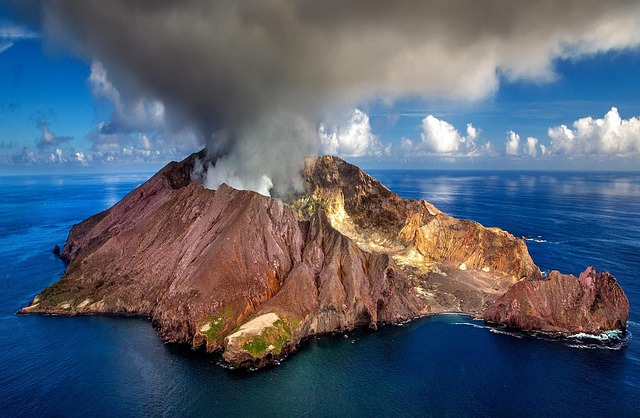
New Zealand already has one of the most renewable electricity systems among developed economies. Its advantage comes from geography: large South Island rivers support hydroelectric generation, while volcanic activity beneath the central North Island provides an unusually dependable geothermal resource. Wind generation has expanded across both islands, and utility-scale solar is now moving from a minor technology into a significant part of the development pipeline.
The country’s main renewable energy question is therefore not whether clean electricity can compete with fossil fuels. It already does. The harder task is building enough generation, storage and transmission capacity to supply a more electrified economy during dry winters, low-wind periods and peak demand.
Renewables supplied 85.5% of New Zealand’s electricity during 2024, despite weak hydro conditions that increased the use of coal and natural gas. Conditions improved sharply during the following year. Renewables reached a record 96.4% of electricity generation in the final quarter of 2025 and remained at 94.5% in the first quarter of 2026.
These quarterly changes show both the strength and the central weakness of New Zealand’s renewable electricity system. When rainfall, lake levels and wind conditions are favourable, fossil-fuel generation can fall to very low levels. When water storage declines, the country must find other ways to protect security of supply.
Hydropower Gives New Zealand Scale and Flexibility
Hydroelectricity has formed the foundation of New Zealand’s electricity system for more than a century. The country has more than 5,000 MW of hydro capacity, representing approximately half of national generating capacity. Most large hydro stations are located in the South Island, including systems connected to the Waitaki River and the hydro lakes of the southern regions.
Hydropower provides more than renewable electricity. Many hydro stations can change their output relatively quickly, allowing operators to respond when demand rises or when wind and solar generation fall. Stored water therefore performs part of the balancing role that batteries and flexible thermal plants provide in other countries.
This flexibility is especially valuable as more variable renewable generation enters the market. Solar farms can produce strongly during clear daytime periods, while wind output may rise and fall across several hours. Hydro operators can conserve water when these technologies are generating and release it when their output declines.
However, New Zealand’s hydro storage is limited compared with the country’s total annual electricity use. A prolonged period of low rainfall can reduce lake levels and create a national “dry-year” problem. The risk is particularly serious when low inflows continue into winter, when electricity demand is normally higher.
The contrast between recent years illustrates the problem. Low inflows contributed to weaker hydro generation and increased thermal use during parts of 2024 and early 2025. Stronger inflows later helped renewables reach record quarterly shares. Renewable generation is therefore high over the long term, but its exact contribution can change significantly between seasons and years.
Geothermal Energy Provides the System’s Renewable Base
Geothermal power distinguishes New Zealand from most other renewable electricity markets. The majority of geothermal capacity is concentrated in the Taupō Volcanic Zone, where underground heat supports power stations around Taupō, Rotorua and Kawerau.
Unlike wind and solar plants, geothermal stations can operate continuously. They usually provide stable baseload electricity rather than rapidly changing output to follow demand. This makes geothermal particularly important when hydro inflows are weak or when weather conditions reduce wind and solar production.
Recent investment has increased the technology’s role. The commissioning of Tauhara in 2024 and Te Huka 3 later that year helped lift geothermal output to new records. During January and February 2026, geothermal supplied more than one-quarter of New Zealand’s monthly electricity generation.
Geothermal resources also have industrial uses beyond electricity. Direct geothermal heat supports activities including wood processing, food production, commercial heating and tourism. Kawerau has become an important centre for industrial geothermal use, particularly within the pulp and paper sector.
Expansion is not unlimited. Developers must manage reservoir pressure, underground fluid systems, emissions, land access and relationships with local Māori communities. Geothermal fields must be operated carefully to avoid reducing their long-term productivity. Even so, the technology offers something that much of New Zealand’s renewable investment pipeline cannot: continuous low-emissions generation.
Wind Power Expands Beyond Its Early Markets
New Zealand’s exposed coastline, mountain ranges and open rural areas create strong wind resources. The first commercial wind farms entered operation during the 1990s, and the sector has since developed around locations such as Manawatū, Wellington, Taranaki, Hawke’s Bay and Southland.
Wind generation now represents an established part of the national electricity mix rather than an experimental supplement. Installed capacity reached approximately 1,257 MW by early 2026, and new projects are being considered in regions with strong resources and access to transmission infrastructure.
Wind complements New Zealand’s hydro system because turbines do not consume stored water. High wind generation allows hydro operators to preserve lake storage for later periods. The combination is valuable during winter, when solar production is lower and electricity demand can rise.
Project development nevertheless depends on more than wind speed. Large wind farms require suitable transmission connections, road access, land agreements and lengthy environmental assessments. Turbine visibility, landscape effects, bird populations and construction impacts can also influence local acceptance.
The best wind resources are not always located near spare grid capacity. This means that generation projects and transmission upgrades must increasingly be planned together.
Utility-Scale Solar Enters a Faster Growth Phase
Solar energy was once a small part of New Zealand’s renewable electricity market, largely limited to rooftop systems. That position is changing as utility-scale solar farms connect to the grid.
Solar generation reached a record 373 GWh during the first quarter of 2026, an increase of more than 50% from the same quarter a year earlier. New projects have been developed in regions including Waikato, Bay of Plenty, Hawke’s Bay, Northland and Canterbury, where land availability, sunshine and grid access can support commercial generation.
Grid-connected solar capacity installed since 2023 had reached 247 MW by early 2026. Projects under construction were expected to add hundreds of additional megawatts, potentially lifting grid-scale solar capacity above 1,000 MW by 2028.
Solar is attractive because projects can often be constructed more quickly and in smaller stages than large hydro, wind or geothermal developments. It can also supply electricity during daytime periods when commercial demand is strong.
Its rapid growth will change how the wider system operates. On sunny, low-demand days, wholesale electricity prices may fall sharply as solar, hydro, geothermal and wind compete to supply the market. Batteries, flexible industrial demand and managed electric-vehicle charging can absorb some of this surplus.
Solar cannot solve the dry-year problem by itself because its output falls after sunset and is lower during winter. Its value comes from reducing pressure on hydro storage and thermal fuels whenever sunshine is available.
More Renewable Generation Requires a Larger Grid
New Zealand’s next renewable energy constraint may be the speed at which generation can be connected and electricity moved between regions. Transpower was delivering 17 generation projects with a combined 3,242 MW of capacity as of June 2026, alongside new battery and customer-connection projects.
The national grid must serve two different forms of growth. New renewable plants need connections to the transmission system, while households and businesses require more electricity for vehicles, industrial heat, data centres and other activities that previously depended on fossil fuels.
Government policy now aims to double renewable energy supply by 2050. The Electrify NZ programme is intended to accelerate generation, transmission and distribution investment by changing consenting and planning rules. The effectiveness of these reforms will help determine whether project announcements become operating assets.
Storage will also become more important. Grid-scale batteries can manage short peaks and daily changes in solar and wind output. Demand-response agreements can temporarily reduce consumption from major industrial users. Neither solution currently replaces the need for longer-duration backup during an extended dry winter.
New Zealand’s renewable electricity system is moving from a period defined by large hydro and geothermal assets into one shaped by many new solar, wind, battery and grid projects. Its renewable resources are sufficient to support much greater electrification. The decisive issue is whether investment in generation, flexibility and transmission can remain ahead of demand while reducing the remaining dependence on coal and gas during difficult weather conditions.