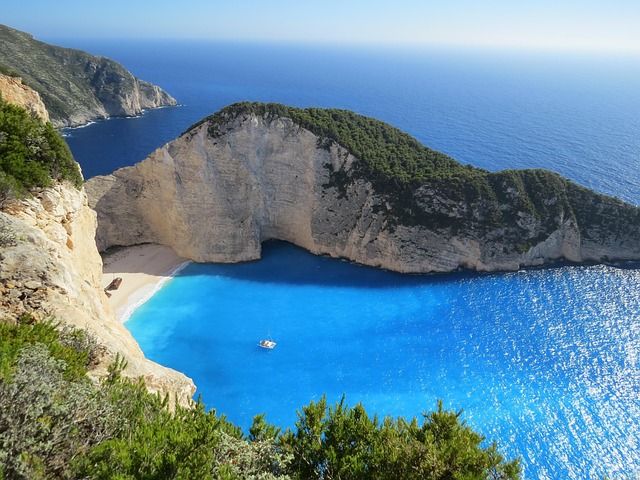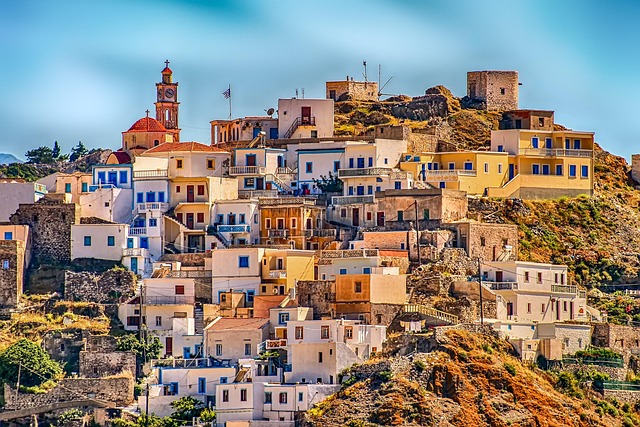
Greece’s energy infrastructure is being reshaped by two geographic realities. The first is the country’s fragmented territory, where major islands and remote communities have historically depended on isolated electricity systems. The second is Greece’s position between the eastern Mediterranean, the Balkans, Italy, and Central Europe. This location gives the country a role that extends beyond domestic energy supply.
Investment is therefore moving in two directions at once. Submarine cables and transmission projects are creating a more unified national electricity market, while gas pipelines, liquefied natural gas terminals, and international power connections are turning Greece into an entry and transit point for regional energy trade.
The long-term result could be a system that is less dependent on imported oil for island generation, better able to absorb renewable electricity, and more important to the energy security of southeastern Europe.
Island Interconnections Are Rebuilding the Electricity System
The connection of Greece’s islands to the mainland grid is one of the most important infrastructure programs in the national energy sector. For decades, many islands operated separate power systems supported mainly by oil-fired generating plants. These systems were expensive to operate, exposed consumers to fuel-price changes, and restricted the amount of wind and solar power that could be added without creating stability problems.
The Cyclades interconnection program began changing this model by linking islands including Syros, Paros, Mykonos, Tinos, and Naxos to the mainland transmission system. Submarine cables allow electricity to move in both directions, reducing the need for local thermal generation while creating more room for renewable projects.
Crete has been the largest and most technically demanding part of the program. An initial alternating-current connection with the Peloponnese provided the island with its first link to the mainland system. The much larger Crete–Attica project added a 500-kilovolt high-voltage direct-current connection with a transmission capacity of 1,000 megawatts. Completed in 2025, the project is one of the highest-capacity island interconnections in operation and includes submarine cables running through some of the deepest sections of the Mediterranean.
The connection changes Crete’s role within the Greek power system. Instead of relying mainly on local fossil-fuel plants, the island can receive power from the mainland during periods of high demand. It can also export future solar and wind generation when local supply exceeds consumption.
Attention is now moving toward the Dodecanese and the northeastern Aegean islands. These projects are intended to complete the integration of most large island systems into the national network. Their value is not limited to electricity reliability. Island interconnections also reduce fuel imports, lower the need for costly reserve generation, and support tourism economies that experience sharp seasonal increases in power demand.
The Mainland Grid Must Absorb a Different Energy Mix
Connecting the islands solves only part of Greece’s infrastructure challenge. The mainland transmission system must also carry increasing volumes of electricity from renewable-rich regions to Athens, Thessaloniki, industrial centers, and export connections.
The extension of the 400-kilovolt network into the Peloponnese is particularly important. The region has strong renewable energy potential, but limited transmission capacity has previously restricted the development and operation of new projects. New high-voltage lines and substations can reduce congestion and improve the movement of electricity toward major demand centers.
Similar investments are required in northern and western Greece, where wind, solar, hydropower, and cross-border flows compete for space on the grid. Modern substations, digital control systems, upgraded conductors, and better forecasting are becoming as important as the construction of new power lines.
Energy storage is also moving closer to the center of infrastructure planning. Solar production is concentrated during daylight hours, while wind generation can rise or fall quickly. Batteries and pumped-storage projects can absorb surplus electricity and return it to the system when demand is higher. Without this flexibility, Greece could build renewable capacity faster than the network can use it.
The distribution system faces a related challenge. Rooftop solar, electric vehicles, heat pumps, and local energy communities create two-way electricity flows that older networks were not designed to manage. Grid modernization will therefore depend on investment by both the national transmission operator and regional distribution networks.
Cross-Border Power Lines Connect Greece to Regional Markets
Greece already has electricity interconnections with Italy, Albania, North Macedonia, Bulgaria, and Turkey. These links allow the country to import electricity when domestic supply is tight and export power when generation is abundant.
A second 400-kilovolt connection between Greece and Bulgaria strengthened the northern border and increased the ability of the two systems to exchange electricity. The project has particular value as Bulgaria, Romania, Greece, and other southeastern European markets become more closely integrated.
Further expansion is being considered with Albania and North Macedonia. These projects would improve system security while giving renewable producers access to a larger regional market. Greater cross-border capacity can also reduce price differences between neighboring countries, although the benefit depends on market conditions and the availability of transmission capacity throughout the wider Balkan network.
More ambitious proposals would connect Greece with Cyprus and Egypt. A Cyprus link would end the island country’s electrical isolation from the continental European system, while an Egypt connection could eventually carry electricity generated from large renewable projects in North Africa. These projects are more complex than Greece’s land-based Balkan connections because they require long submarine cable routes, large financing packages, and coordination among multiple governments and regulators.
Their development would confirm Greece’s role as an electricity bridge between Europe, the eastern Mediterranean, and North Africa. However, the most important test will be whether proposed cables advance from political agreements and feasibility studies into financed construction.
LNG Terminals Give Greece a Wider Gas Role
Electricity cables are only one part of Greece’s regional energy position. Natural gas infrastructure has also expanded as European countries seek more supply routes and reduce dependence on a limited number of pipeline sources.
The Revithoussa LNG terminal near Athens has long been a central part of the Greek gas system. Tankers deliver liquefied natural gas to the terminal, where it is stored, converted back into gas, and injected into the national transmission network. Revithoussa supports domestic power generation and industry while also helping Greece respond when pipeline supplies are disrupted.
The Alexandroupolis floating storage and regasification unit has added a second LNG gateway in northern Greece. Located offshore, the terminal is connected to the national gas system through a high-pressure pipeline. Its position near Bulgaria gives it importance beyond the Greek market.
Gas entering at Alexandroupolis can move through the Greece–Bulgaria Interconnector and into the wider Balkan network. Together with pipelines in Bulgaria, Romania, Moldova, and Ukraine, this route forms part of the developing Vertical Gas Corridor. The objective is to allow LNG and other non-Russian gas supplies to move north from Greece toward Central and Eastern Europe.
Greece’s existing pipeline infrastructure supports this transit role. The Trans Adriatic Pipeline crosses northern Greece as part of the route carrying Azerbaijani gas through Turkey, Greece, Albania, and the Adriatic Sea to Italy. Domestic transmission upgrades, compressor stations, and new connections are intended to increase the amount of gas that can move through the country.
Greek gas exports rose sharply in 2025, demonstrating that the network is increasingly serving regional markets rather than only domestic customers. Revithoussa and Alexandroupolis also provide different entry points, reducing the risk that a single terminal or route becomes the only source of flexible imported gas.
Ports, Refineries, and Fuel Storage Remain Strategically Important
Although electricity and gas projects receive much of the current investment, petroleum infrastructure remains essential. Greece still depends on liquid fuels for road transport, shipping, aviation, industry, and backup electricity generation on islands that have not yet been connected to the mainland.
The country’s refineries process imported crude oil and supply both the domestic market and export customers. Storage terminals and port facilities around major industrial areas support fuel distribution across the mainland and islands. Greece’s large shipping sector also gives its ports an important role in marine fuels and international petroleum logistics.
As the energy system changes, some of this infrastructure may be adapted rather than abandoned. Refineries and terminals are exploring lower-carbon fuels, biofuels, hydrogen, and alternative marine energy products. Greece’s ports could also support offshore wind construction, carbon transport, and new electricity interconnectors.
The pace of this transition will vary by sector. Electricity generation can move away from oil faster than aviation or long-distance shipping, while natural gas infrastructure may continue to support power-system flexibility even as renewable generation grows.
Greece’s Infrastructure Strategy Depends on Connections
Greece is not building a single type of energy system. It is creating a connected structure in which island cables, mainland transmission lines, LNG terminals, gas pipelines, ports, storage facilities, and international links reinforce one another.
The country’s geography once created expensive and isolated energy networks. It is now becoming the reason Greece can serve as a regional gateway. The decisive issue will be whether grid expansion, storage, and cross-border capacity keep pace with renewable development and new gas flows. If they do, Greece will move from the edge of Europe’s energy networks toward the center of southeastern European trade and system security.