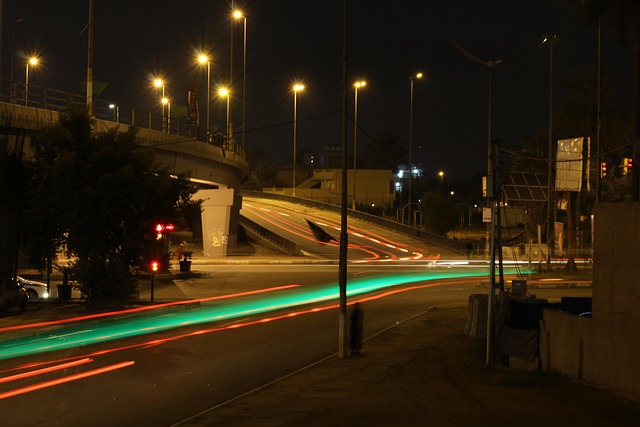
Iraq’s energy infrastructure presents one of the clearest contrasts in the global energy sector. The country operates a large oil production and export system, yet many households and businesses still cannot rely on continuous grid electricity. The problem is not simply a lack of power stations. Iraq also faces shortages of usable natural gas, weak transmission and distribution networks, inefficient plants, high technical and commercial losses, and an electricity market in which tariffs recover only a small share of system costs. As a result, new generation capacity does not automatically translate into reliable supply.
A Power System That Cannot Meet Peak Demand
Federal Iraq generated about 150 terawatt-hours of electricity in 2023, and output has continued to rise as new units have entered service. Even so, available supply remains far below what the country needs during the hottest months. In 2024, available peak generation was estimated at around 25 gigawatts, compared with summer demand of roughly 48 gigawatts. Air-conditioning demand places extreme pressure on the system.
Nearly all Iraqi electricity is generated from oil and natural gas. This gives the country a large domestic fuel base in theory, but the operating system is less secure than the resource figures suggest. Power stations often run below their installed capacity because fuel does not arrive in the right form, turbines need repair, or transmission lines cannot carry the available output to demand centres. Damaged and overloaded distribution networks create further losses before electricity reaches consumers.
The gap has supported a large private generator market. Neighbourhood diesel generators and small commercial systems provide electricity when the public grid is unavailable, but at a higher cost and with greater local pollution. Improving national generation without strengthening local distribution would therefore leave a major part of the reliability problem unresolved.
Natural Gas Is the Missing Link Between Oil Production and Electricity
Iraq produces large volumes of associated gas alongside crude oil, especially in the southern fields around Basra. However, a substantial share has historically been flared because gathering lines, processing plants, compression facilities, and pipelines were not available in the required locations. Iraq remained among the world’s largest gas-flaring countries in 2024, even while importing gas to operate power plants.
This contradiction sits at the centre of Iraqi energy infrastructure. Natural gas is better suited than crude oil or heavy fuel oil for many of the country’s power stations, but usable gas supply has not kept pace with generation demand. Iraqi plants burned an estimated 200,000 barrels per day of crude oil in 2023 because sufficient gas was unavailable. Burning exportable crude in power plants reduces government revenue and can also lower plant efficiency.
Iranian gas has filled part of the gap. Iraq reported that imported Iranian gas supported more than 30% of electricity generation, even though direct electricity imports from Iran represented a much smaller share of total supply. These gas deliveries have been vulnerable to Iranian domestic shortages, payment problems, and sanctions-related restrictions. Direct electricity imports from Iran stopped after the United States ended the relevant sanctions waiver in March 2025, increasing the urgency of domestic gas capture and alternative supply routes.
Projects in Basra, Halfaya, Faihaa, Ratawi, Akkas, and Mansuriya are intended to expand gas gathering and processing. They could reduce flaring, supply existing power stations more consistently, and improve the utilization of assets already connected to the grid. Iraq has also considered LNG import infrastructure at Khor al-Zubair, but imported LNG would serve mainly as a bridge while domestic gas systems are completed.
Regional Interconnections Are Widening Iraq’s Options
Iraq is gradually moving from dependence on one external supplier toward a more diverse regional electricity network. New links with Jordan and Türkiye began carrying power in 2024. The Jordan connection is designed to expand in stages, while the Turkish link can provide up to 300 megawatts through the Kurdistan Region during periods of high Iraqi demand.
The largest near-term project is the connection between the Gulf Cooperation Council grid and southern Iraq. It includes a 400-kilovolt double-circuit line from Al-Wafrah in Kuwait to Al-Faw, together with an expanded substation and control equipment in Iraq. The first phase is expected to provide roughly 500 to 600 megawatts, with later development potentially supporting much larger exchanges. The project had not entered regular operation by mid-2026 after experiencing delays.
A separate connection with Saudi Arabia has also been planned, with a proposed capacity of about 1 gigawatt. Together, these projects could provide emergency and peak-period supply while creating the basis for future electricity trading.
Interconnection cannot substitute for domestic reform. Several hundred megawatts from neighbouring systems are useful, but they are small compared with Iraq’s multi-gigawatt supply deficit. Their greater strategic value is that they reduce exposure to one supplier and connect Iraq to wider regional markets.
Oil Export Infrastructure Remains the Strongest Part of the System
Iraq’s oil infrastructure is far more developed than its electricity network, but it also contains bottlenecks. Most seaborne crude exports leave through southern terminals near Basra. Operational export capacity was estimated at about 3.4 million barrels per day in mid-2024, and pipeline constraints limited the full benefit of additional pumping equipment.
Aging subsea pipelines and loading infrastructure are a particular concern. The planned Sealine 3 project is intended to connect an additional single-point mooring facility with the Basra export system and improve offshore capacity. Further proposed lines would replace older equipment and support higher exports, although progress has been slower than initial plans suggested.
Northern infrastructure has faced a different problem. The Iraq–Türkiye pipeline to Ceyhan stopped carrying northern exports in March 2023 following an arbitration dispute. The interruption reduced the value of production in the Kurdistan Region and forced more crude into local refining, storage, trucking, or informal routes. Restoring a dependable northern export corridor would diversify Iraq’s outlets and reduce reliance on the Gulf terminals.
Refining capacity has also improved, including at Baiji and Karbala. This can reduce imports of gasoline and diesel, but refinery expansion also requires storage, product pipelines, reliable electricity, and transport links. A refinery cannot operate as an isolated asset.
Reliable Electricity Requires Institutional as Well as Physical Rebuilding
Iraq plans to add major generation capacity, including gas-fired plants and utility-scale solar. Solar can reduce daytime fuel use and support supply during high summer demand, but it will require substations, transmission corridors, grid controls, and eventually storage. Building projects without this supporting infrastructure would repeat the pattern of installed capacity that cannot be fully used.
The deeper challenge is financial and operational. Highly subsidized tariffs, weak billing and collection, electricity theft, and limited maintenance funding reduce the ability of the public system to improve service. When electricity is priced far below cost and large volumes are not metered or paid for, each additional unit supplied can deepen the sector’s financial losses.
Iraq’s infrastructure outlook therefore depends on coordination across several systems: gas capture, fuel transport, generation, transmission, distribution, regional interconnection, metering, and revenue collection. The decisive issue is whether Iraq can convert its resources into usable fuel, move energy through dependable networks, and finance maintenance and expansion.