
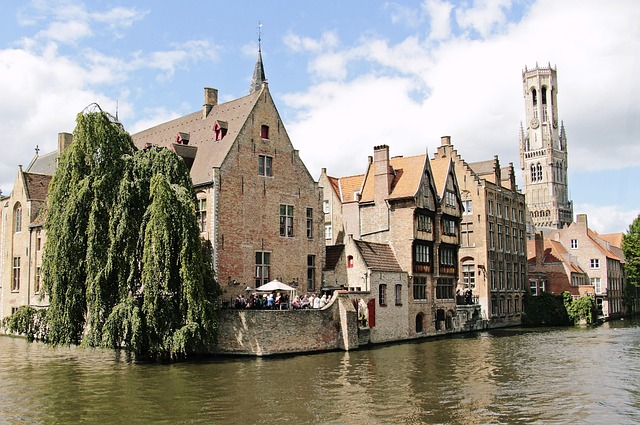
Belgium Infrastructure
Belgium’s dense electricity, gas and offshore networks make the country an important energy gateway between the North Sea and continental Europe.
Belgium’s dense electricity, gas and offshore networks make the country an important energy gateway between the North Sea and continental Europe.
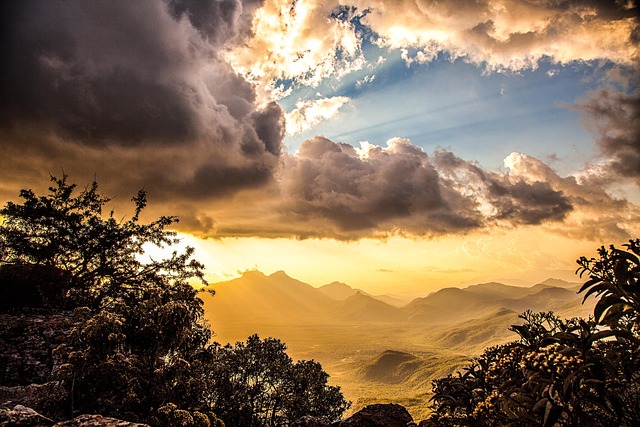
Angola has built major dams and offshore energy facilities, but transmission gaps still prevent electricity from reaching much of the country.
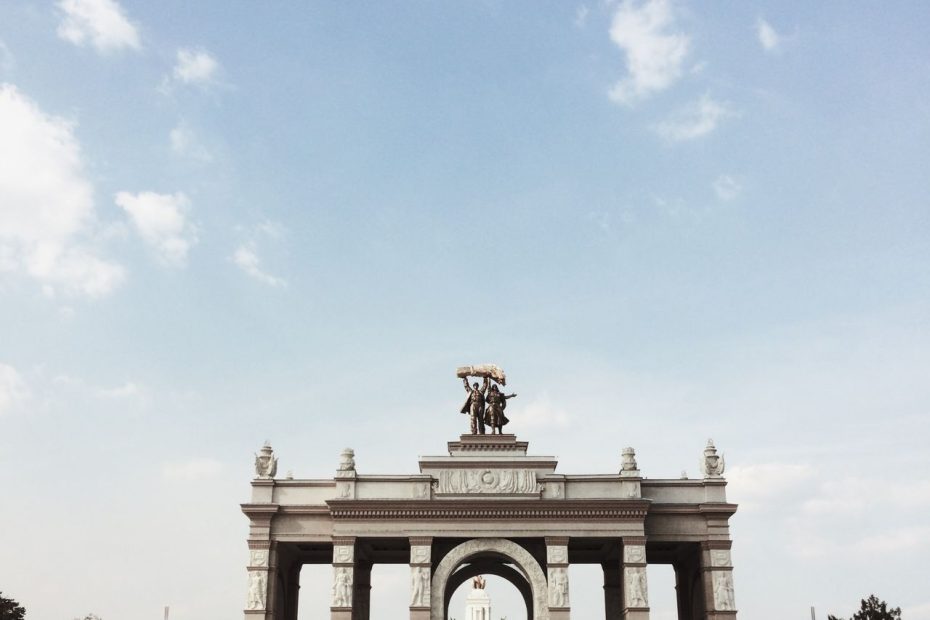
Russia’s vast power grid, pipelines, ports and railways are being redirected toward Asian markets as sanctions reshape energy trade.
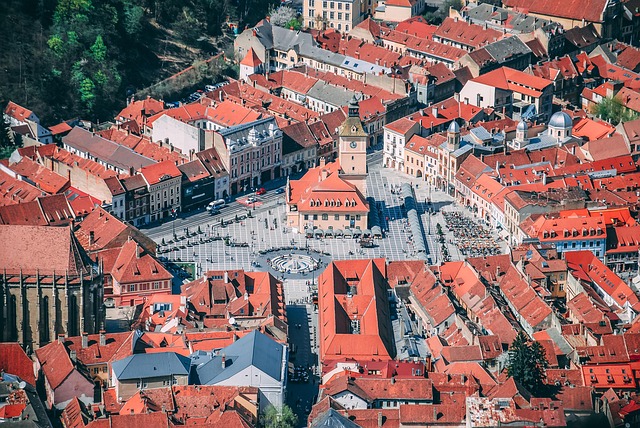
Romania is modernizing its electricity grid, gas pipelines and cross-border links as new renewable and Black Sea energy projects advance.
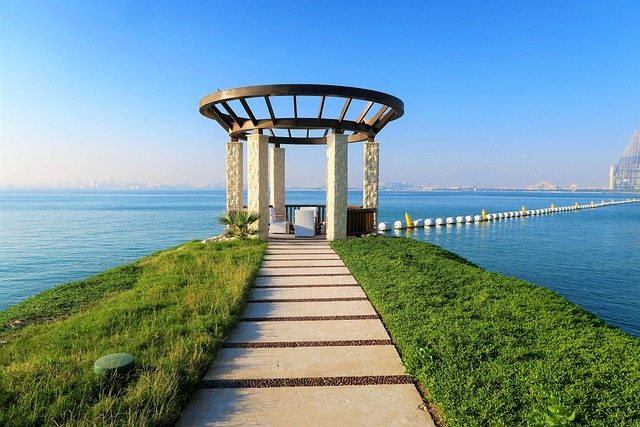
Qatar’s energy infrastructure links the North Field to Ras Laffan, global LNG shipping, a gas-fired power grid and large desalination systems.
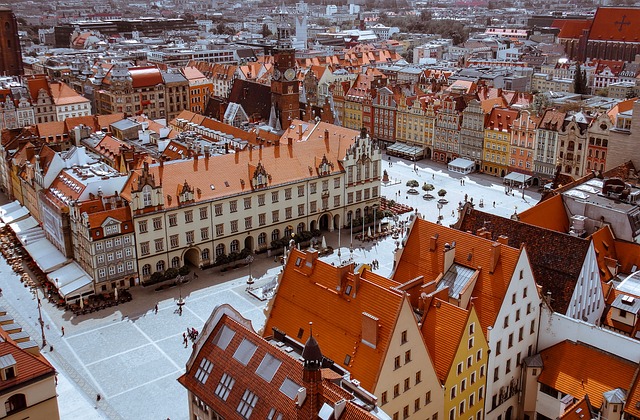
Poland is rebuilding its grids, gas routes and heating networks to connect Baltic wind, strengthen energy security and move beyond coal-based power.
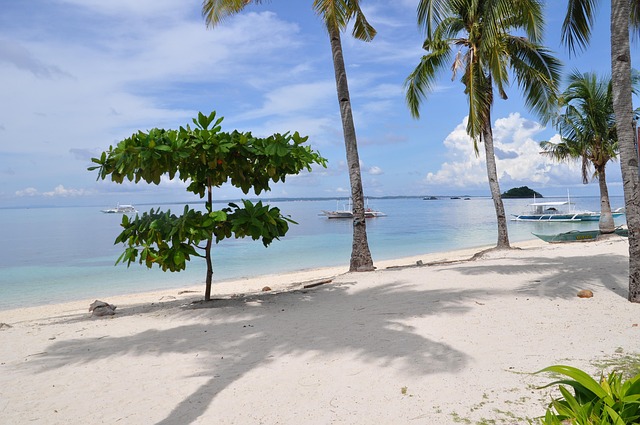
The Philippines is unifying its island grids while expanding LNG, microgrids, storage and disaster-resistant electricity infrastructure.
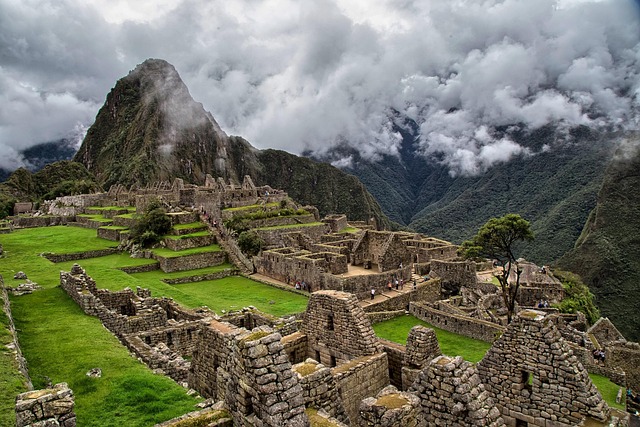
Peru’s energy network links hydropower, gas, mining demand and remote communities across some of South America’s most difficult terrain.
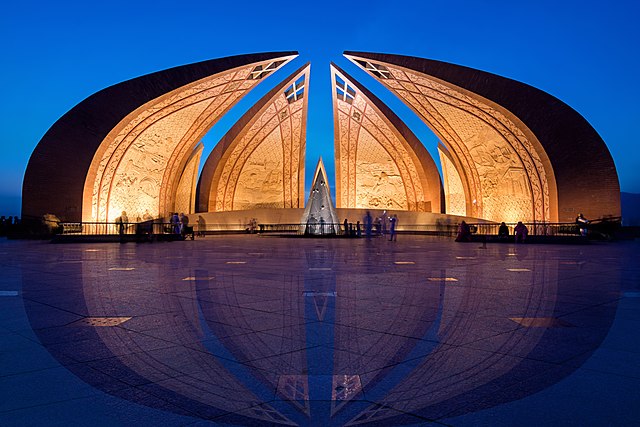
Pakistan has expanded generation and high-voltage links, but grid losses, debt and uneven distribution still restrict reliable, affordable power.
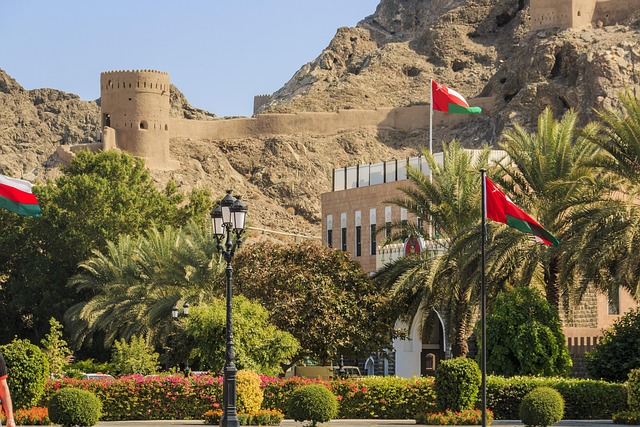
Oman is linking its regional power systems, expanding gas and refining assets, and preparing the grid for rapid industrial and renewable growth.
Algeria’s energy network connects gas fields, power stations, cities, industries, and European markets across a vast and difficult geography.
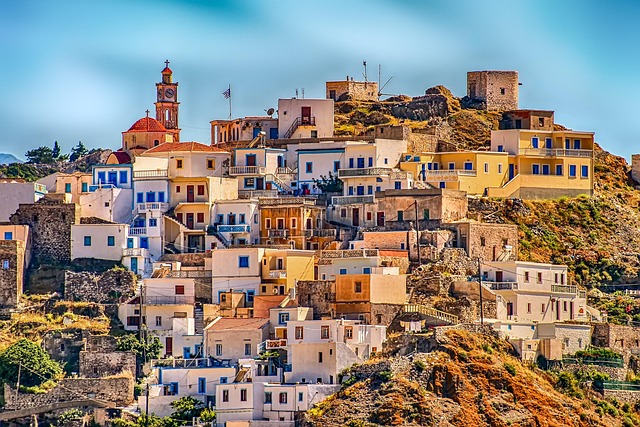
Greece is linking islands, strengthening cross-border power lines, and expanding LNG gateways to become a regional energy infrastructure hub.