

Egypt Infrastructure
Egypt’s power grid, gas network, ports, and regional links give it unusual energy reach, but reliability increasingly depends on fuel security.
Egypt’s power grid, gas network, ports, and regional links give it unusual energy reach, but reliability increasingly depends on fuel security.

Sweden’s energy infrastructure is being reshaped by electrification, northern industry, grid expansion, nuclear plans, and wind integration.

Switzerland’s energy infrastructure depends on hydropower, nuclear power, Alpine grid assets, cross-border trade, and winter supply security.

Nigeria’s energy infrastructure combines a strained national grid with expanding gas, refining, mini-grid and state-level power systems.

Australia is rebuilding a vast, divided energy system as new transmission, storage and flexible networks replace coal-era infrastructure.

Austria’s energy infrastructure links alpine hydropower, eastern renewables, gas storage and neighboring markets through a highly connected system.
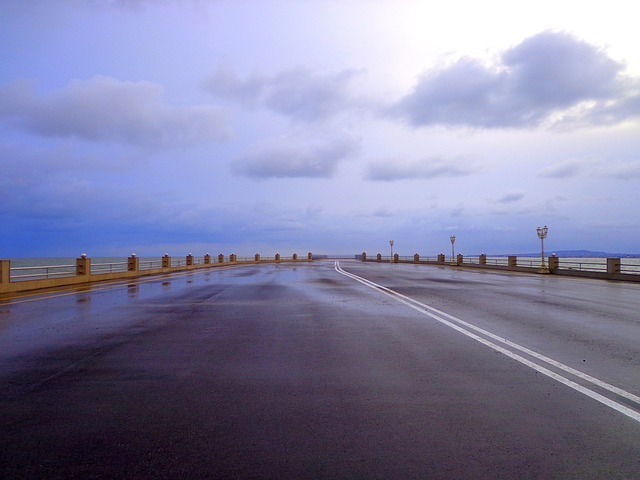
Azerbaijan’s pipelines, power stations, and cross-border grids turn Caspian resources into export influence while preparing for renewable growth.

Bangladesh has expanded generation rapidly, but fuel imports, grid constraints, and coastal bottlenecks now determine how much power reaches consumers.

Morocco is expanding its power grid, storage and cross-border links as renewable growth tests a system still shaped by coal and imported fuels.
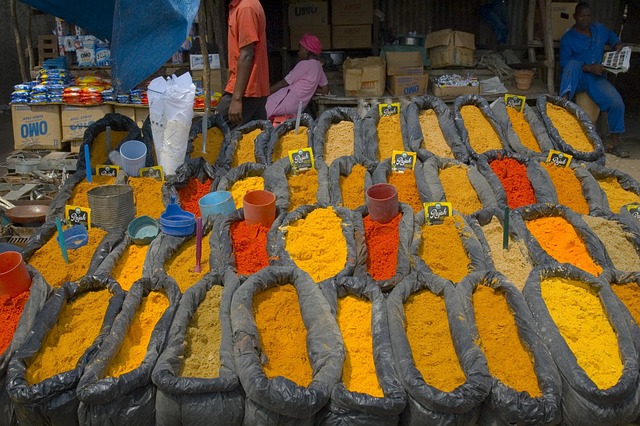
Mozambique has major hydropower and gas resources, but its long, fragmented grid still limits electricity access, industry and regional power trade.
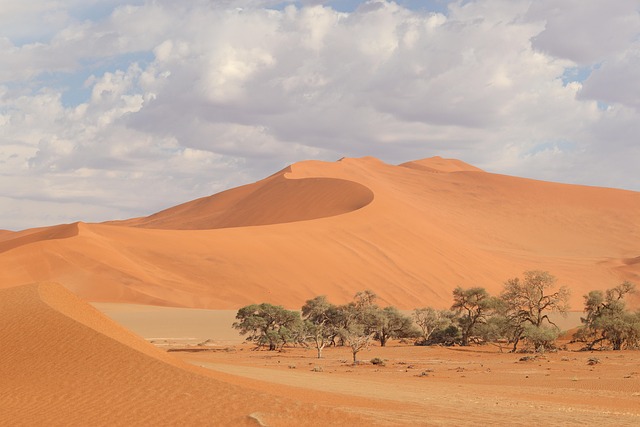
Namibia is reinforcing its national grid, adding battery storage and expanding regional links as it reduces reliance on imported electricity.
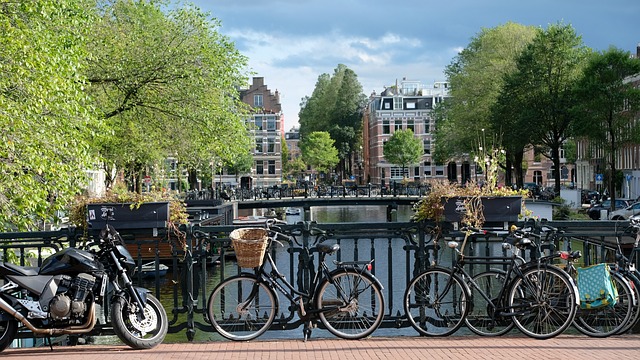
The Netherlands is expanding power, offshore, hydrogen and carbon networks as grid congestion limits the pace of its energy transition.