
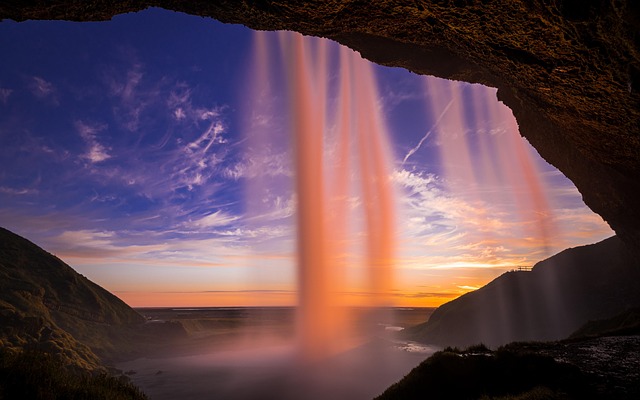
Iceland is often presented as the clearest example of a renewable energy economy. Almost all of its electricity comes from hydropower and geothermal plants, while geothermal heat supplies most buildings through district-heating networks. Domestic renewable resources have reduced dependence on fossil fuels, supported energy-intensive industries and given Iceland one of the highest levels of electricity production per person in the world.
Yet Iceland’s renewable energy question is no longer how to replace coal or gas in electricity generation. The country has already completed most of that transition. Its current debate concerns how much additional renewable power should be developed, which industries should receive it and how new projects can be balanced against the protection of rivers, highland landscapes and geothermal areas.
Hydropower and Geothermal Energy Form an Unusual Partnership
Iceland had approximately 2.95 GW of renewable generating capacity at the end of 2024. Hydropower accounted for about 2.15 GW, while geothermal plants supplied approximately 788 MW. Wind and solar remained marginal by comparison.
The balance of electricity generation varies with reservoir levels and plant conditions, but hydropower normally supplies around 70% of annual output and geothermal energy provides close to 30%. Together, the two resources generated more than 20 TWh of electricity in 2023.
This combination is particularly valuable because both technologies can provide more dependable output than weather-dependent solar and wind systems. Geothermal stations can operate continuously, while reservoirs allow hydropower operators to adjust production according to demand, water availability and system conditions.
Iceland’s electricity system is physically isolated. It has no transmission cable connecting it to another national market, so electricity production and demand must be balanced within the country. There is no neighbouring system available to absorb a large surplus or cover a major shortage. This makes reservoir management, reserve capacity and grid reliability especially important.
The system is renewable, but it is not without risk. Hydropower production can be affected by low inflows, reservoir conditions and changes in glacial rivers. Geothermal fields must be managed to avoid excessive pressure decline, and plant operators must address gases and minerals brought to the surface with geothermal fluids.
Geothermal Energy Extends Far Beyond Electricity Generation
Electricity is only part of Iceland’s geothermal story. Geothermal resources account for more than 60% of the country’s primary energy use because hot water and steam are used directly as well as for power generation.
District-heating networks carry naturally heated water to homes, businesses and public buildings. Around nine in ten Icelandic homes receive geothermal heating, while many remaining buildings use renewable electricity. This arrangement sharply reduces the need for oil or gas in a climate with long, cold winters.
Geothermal heat also supports swimming pools, greenhouses, food production, fish farming, snow melting and industrial processes. These direct uses can be highly efficient because they avoid converting heat into electricity and then back into heat.
The main generating areas are concentrated near Iceland’s active volcanic zones. Large stations include Hellisheiði and Nesjavellir in the southwest, Reykjanes and Svartsengi on the Reykjanes Peninsula, and Krafla and Þeistareykir in the northeast. Their location reflects Iceland’s position on the Mid-Atlantic Ridge, where tectonic activity brings heat close to the surface.
Volcanic activity also demonstrates that access to geothermal resources comes with operational exposure. Repeated eruptions and ground movement on the Reykjanes Peninsula since 2021 have threatened roads, pipelines, communities and energy infrastructure. The Svartsengi power and heating complex is particularly important because it supplies electricity and hot water to communities on the peninsula.
This does not make geothermal energy unreliable as a whole, but it reinforces the value of geographic diversity, emergency planning and resilient transmission and heating networks.
Renewable Electricity Built Iceland’s Industrial Economy
Iceland produces far more electricity per resident than most countries, but household demand does not explain this level of output. A large share is consumed by energy-intensive industry.
Aluminium smelters became major customers because Iceland could offer long-term access to domestic renewable electricity. Ferrosilicon production, data centres and other industrial operations also benefit from the country’s power system and cool climate.
This industrial structure creates a close connection between power development and national economic policy. A new generating project is not only an electricity investment. It can determine whether Iceland has enough energy for industrial expansion, transport electrification, hydrogen production or new data-centre demand.
It also creates concentration risk. A limited number of large consumers account for a substantial share of electricity sales. Long-term power contracts can provide stable revenue to generators, but they also reserve capacity that might otherwise be available to smaller businesses, public electrification or emerging industries.
The value of Icelandic renewable energy is therefore debated in terms of use rather than export. Because there is no international cable, the country exports energy indirectly through products and services made with electricity. Aluminium is the clearest example: Iceland uses domestic hydropower and geothermal generation to produce a globally traded material.
Proposals for hydrogen, ammonia, methanol and other electrofuels follow the same logic. Renewable electricity would be converted into products that can be shipped overseas. These industries could help reduce emissions from aviation, shipping and heavy transport, but they would also require substantial new generating capacity.
A Renewable System Can Still Face Electricity Constraints
Nearly complete renewable generation does not automatically mean that unlimited electricity is available. Iceland has experienced periods of tight supply, particularly when reservoir conditions reduced hydropower output and demand from large users remained high.
Generation projects require long planning, environmental review and construction periods. Transmission upgrades can take equally long. When demand grows faster than firm supply, generators may need to limit deliveries under interruptible contracts or delay agreements with new customers.
The electricity grid is another constraint. Production areas, industrial users and population centres are spread across a large country with difficult terrain and severe weather. Some regions have stronger transmission connections than others. A project may have an attractive resource but limited ability to deliver its output where it is needed.
Grid strengthening is therefore central to Iceland’s next energy phase. New lines and substations can improve security of supply, reduce regional bottlenecks and allow additional projects to connect. Such investments can also face opposition because high-voltage lines affect landscapes and private land.
The challenge differs from that of a solar-heavy European market. Iceland does not need large battery fleets to manage a daily midday production peak. Its main need is enough firm generation, reservoir flexibility and transmission capacity to support growing electricity demand through changing hydrological and operating conditions.
Wind Power Is Emerging as a Third Resource
Wind has played only a minor role in Iceland’s electricity system, despite the country’s strong wind conditions. Harsh weather, icing, difficult construction conditions and the established position of hydro and geothermal energy limited early development.
That position is beginning to change. Landsvirkjun has started developing the Vaðalda wind farm near the existing Búrfell and Sultartangi energy area. The project is intended to become Iceland’s first utility-scale wind farm.
Wind could complement the established system. Winter winds can be strong when electricity and heating demand are high, while hydropower reservoirs can help balance changing turbine output. Building wind facilities near existing generation and transmission infrastructure may also reduce the need for entirely new corridors.
However, wind development raises questions about visual effects, wilderness, bird life and the distribution of economic benefits. Iceland’s government has identified the need for a clearer legal framework and broader agreement on how wind resources should be used. The pace of development will depend on that framework as much as on turbine technology.
Wind is unlikely to displace hydropower or geothermal energy. Its more realistic role is to provide another source of electricity at a time when the best-established resources face longer development timelines and tighter environmental choices.
New Projects Must Pass a Broader National Test
Iceland is pursuing several additions to its renewable system. Landsvirkjun began construction of an expansion at the Sigalda hydropower station in 2025 and has been preparing additional capacity at the Þeistareykir geothermal station. The company is also planning the 95 MW Hvammur hydropower project and constructing the Vaðalda wind farm.
These projects show that Iceland’s renewable sector is still growing, but future expansion will not be judged by engineering potential alone. Iceland’s Master Plan for Nature Protection and Energy Utilization was created to compare proposed power projects with conservation priorities. Rivers, waterfalls, geothermal fields and highland landscapes have ecological and cultural value beyond their potential electricity output.
The national energy strategy also reaches beyond power generation. Iceland still uses imported petroleum in road transport, aviation and its fishing fleet. Electric vehicles can reduce road-fuel demand, but ships and aircraft are harder to electrify directly. Renewable hydrogen and synthetic fuels may offer a route forward, although they would increase electricity requirements considerably.
Iceland’s next renewable energy transition is therefore about allocation. The country must decide how much new generation to build, where it should be located and whether limited additional electricity should support existing industry, new exports, transport decarbonisation or domestic economic development.
Its earlier transformation replaced imported heating fuels and created a renewable electricity system. The next one requires a more difficult balance between industrial demand, energy security, environmental protection and the remaining fossil-fuel uses that hydropower and geothermal energy have not yet displaced.