

Germany Infrastructure
Germany is rebuilding its grids, LNG system and future hydrogen network to move renewable power, secure imports and electrify its economy.
Germany is rebuilding its grids, LNG system and future hydrogen network to move renewable power, secure imports and electrify its economy.
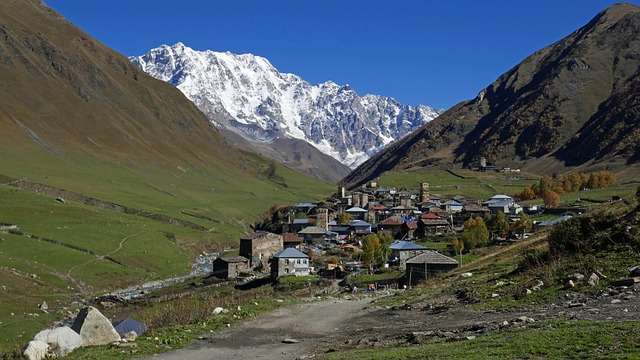
Georgia’s energy infrastructure links hydropower, regional power trade and Caspian pipelines, while a Black Sea cable could open a route to Europe.

France’s vast nuclear, power-grid, gas, storage, and LNG infrastructure is being reshaped for electrification, renewables, and industrial growth.

Finland’s energy infrastructure combines a strong Nordic power grid, nuclear and wind generation, LNG access, district heating, and rising investment.

Ethiopia has built major hydropower and regional transmission assets, but electricity access still depends on stronger local grids and utilities.

Colombia’s energy infrastructure links hydropower, cities, remote regions and new renewables, but transmission delivery remains the decisive test.

Brazil’s continental power network must connect distant renewable resources, major cities, isolated communities and a fast-changing electricity market.
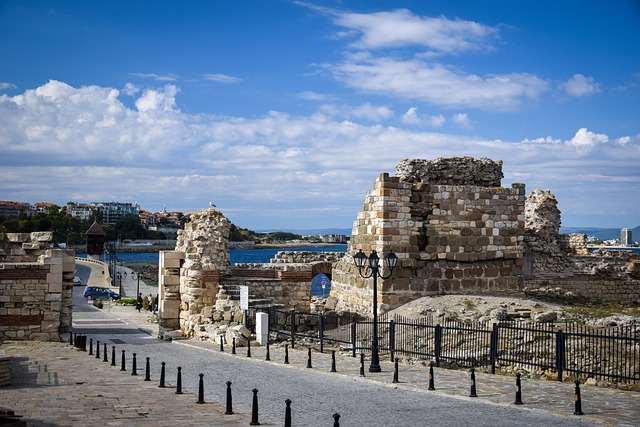
Bulgaria’s power grid, gas corridors and storage assets are turning the country into a more important energy link in Southeast Europe.
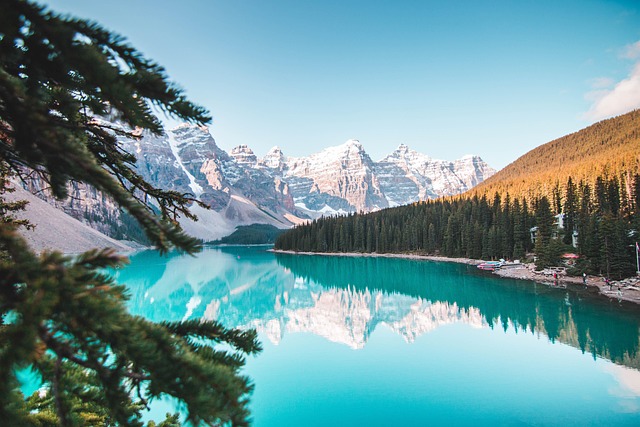
Canada’s energy infrastructure links regional power systems, continental pipelines and new export gateways across immense distances.
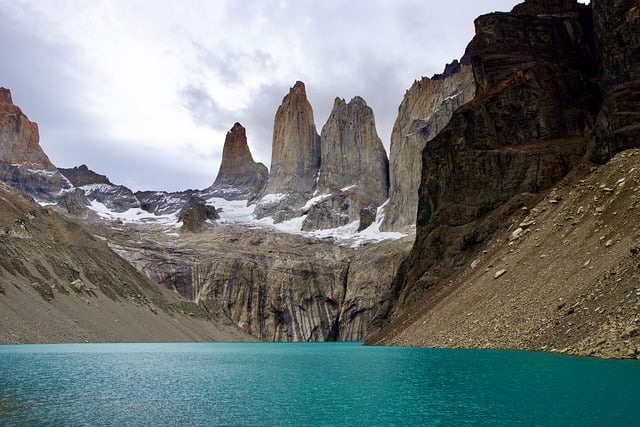
Chile’s energy transition now depends on transmission, storage and grid resilience as renewable generation expands across a long, narrow country.
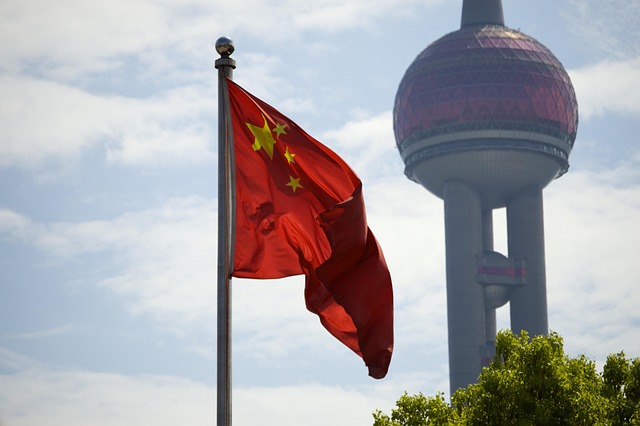
China’s vast energy system is expanding through ultra-high-voltage grids, storage, pipelines and digital networks built for rising electricity demand.
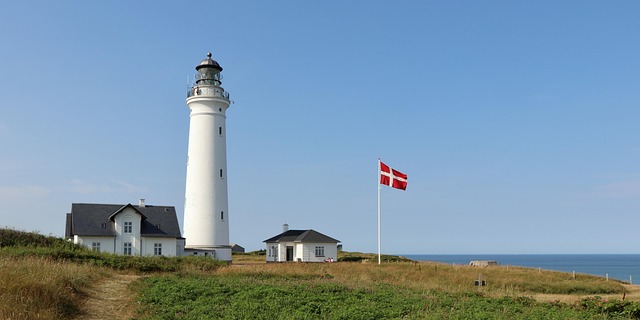
Denmark’s energy infrastructure combines strong interconnectors, an expanding power grid and emerging hydrogen networks to support electrification.