Brazil’s energy infrastructure is shaped by distance. Large hydropower plants, wind farms and solar projects are often located far from the cities and industries that consume the most electricity. The national system must move power across thousands of kilometres, balance changing weather conditions and serve regions with very different patterns of development.
This has produced one of the world’s largest interconnected electricity networks. It has also created a recurring infrastructure problem: new generation can be built more quickly than the transmission capacity needed to carry its output. Brazil has abundant renewable resources, but their economic value depends on power lines, substations, system-control equipment and flexible capacity being available in the correct places.
The country’s central infrastructure challenge is no longer simply increasing electricity production. It is connecting new sources without creating congestion, maintaining stability as wind and solar generation expand, and extending reliable service across a territory of continental scale.
The National Grid Connects Distant Sources and Consumers
The Sistema Interligado Nacional, usually known as the SIN, links the electricity systems of Brazil’s main regions. The National Electric System Operator coordinates power flows across this network, dispatching generation and managing the balance between supply and demand.
The SIN allows Brazil to combine different regional energy conditions. Hydropower may be available in one river basin while wind generation is strong in the Northeast or solar output is high in another region. Transmission lines allow electricity to move between these areas and reduce the need for every region to maintain an entirely separate generation system.
This national integration is especially valuable because Brazil’s hydropower resources are affected by rainfall and reservoir conditions. Electricity can be transferred across regions when water availability is stronger in one part of the country than another. Wind generation in the Northeast can complement hydropower, while thermal plants provide additional support when renewable output or transmission availability is insufficient.
Brazil ended 2025 with approximately 181,782 kilometres of electricity transmission lines. Around 5,582 kilometres entered service during that year alone, with most of the new network built at 500 kilovolts. These high-voltage corridors are required to move large volumes of electricity over long distances with lower losses.
Roraima Completed a Long-Delayed National Connection
One of Brazil’s most important recent infrastructure milestones occurred in September 2025, when Roraima was connected to the SIN through the Manaus–Boa Vista transmission link. Roraima had been the final Brazilian state outside the interconnected national system.
Before the connection, Boa Vista and surrounding areas relied heavily on an isolated system supported by local thermal generation. Fuel had to be supplied to power plants that could not draw electricity from the wider Brazilian network. This increased costs and exposed the state to local generation and fuel-supply risks.
The new 500-kilovolt connection gives Roraima access to power generated elsewhere in Brazil and creates additional options for regional investment. It also represents a major engineering and environmental undertaking because the line crosses sensitive areas of the Amazon.
National integration does not mean that every Brazilian community is now connected to the SIN. Many smaller isolated systems remain across the North, particularly in Amazonas, Pará, Acre, Rondônia and remote parts of other states. These communities often depend on diesel generation because extending the main grid would require costly lines through forests, rivers and sparsely populated territory.
For these areas, infrastructure development may involve hybrid systems rather than full transmission connections. Solar generation, batteries, biofuels and more efficient local power plants can reduce fuel consumption while maintaining service in places where a direct link to the SIN remains impractical.
Renewable Growth Has Moved Faster Than Transmission
Brazil’s wind and solar industries have expanded rapidly, especially in the Northeast. States such as Bahia, Rio Grande do Norte, Ceará, Piauí and Pernambuco possess strong renewable resources and have attracted large generation projects.
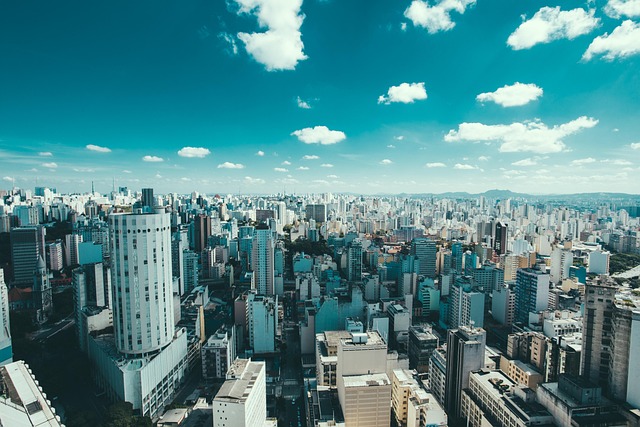
However, the largest electricity demand centres are concentrated farther south and southeast, particularly around São Paulo, Rio de Janeiro, Minas Gerais and major industrial regions. Connecting these areas requires long transmission corridors across several states.
This geographic separation has made grid capacity one of the main limits on renewable development. When local generation exceeds the amount that transmission infrastructure can carry, the system operator may need to reduce output from wind and solar plants. This process, known as curtailment, means that available renewable energy is not fully used.
Curtailment can occur because of a local network restriction, insufficient regional export capacity or the need to maintain system security. It creates financial uncertainty for project owners and indicates that generation and transmission planning have not moved at the same speed.
The problem is not solved by constructing lines alone. High levels of inverter-based wind and solar generation also change the technical behaviour of the grid. Brazil increasingly requires synchronous condensers, reactive-power equipment, advanced control systems and other assets that help maintain voltage and system strength.
Transmission auctions held in 2025 and 2026 have therefore included both new power lines and equipment designed to improve stability. Projects contracted in October 2025 covered more than 1,000 kilometres of lines and additional substation capacity. The first major auction of 2026 awarded projects involving hundreds of kilometres of new lines, transformation capacity and synchronous compensation equipment.
A Large Auction Programme Is Expanding the Backbone
Brazil uses long-term concessions and competitive auctions to attract private investment into transmission infrastructure. Successful bidders construct, operate and maintain specified assets in return for regulated annual revenue.
This model has allowed domestic and international companies to participate in grid expansion while giving the government a structured method for delivering large groups of projects. Transmission concessions are commonly awarded for 30 years, creating long investment periods suitable for capital-intensive infrastructure.
The scale of planned development remains substantial. National planning indicates that Brazil could require around 30,000 kilometres of new transmission lines and 82,000 megavolt-amperes of new substation capacity by 2034. Estimated investment reaches approximately R$128.6 billion.
Much of this expansion is intended to carry renewable electricity from the Northeast and northern regions toward major markets. Other projects strengthen local reliability, supply new industrial facilities, connect generation plants or reduce dependence on a single transmission route.
Project delivery remains exposed to environmental licensing, land access, equipment supply and construction risk. Long transmission routes may cross several municipalities, ecosystems and land categories. Delays can leave completed wind or solar projects waiting for sufficient grid access, while rapid demand growth can place additional pressure on existing substations.
Distributed Solar Is Changing Local Networks
Brazil’s infrastructure transition is also occurring at the distribution level. Millions of homes, businesses and farms now produce electricity through rooftop or small ground-mounted solar systems.
Distributed generation reduces the amount of electricity that some consumers purchase from the grid during sunny periods. It can also reduce the need to transport power over long distances. However, rapid solar growth changes local power flows and can create operational challenges for distribution companies.
Some networks experience high solar injections during the middle of the day followed by a rapid increase in grid demand as the sun sets. Voltage control, transformer capacity and local protection systems may need to be upgraded. Distribution infrastructure must increasingly manage electricity moving in both directions rather than only from substations toward customers.
Digital meters, better forecasting and more flexible tariffs could help consumers shift electricity use toward periods of high renewable output. Battery storage may also become more important. In 2026, regulators continued developing rules for storage systems, including how they should be charged for using the electricity network. Brazil also authorised an early battery installation connected with a solar power plant, indicating that storage is beginning to move from policy discussion into commercial operation.
Gas, Ports and Thermal Plants Provide System Support
Although electricity dominates the infrastructure discussion, natural gas also affects the reliability of Brazil’s power system. Gas-fired plants can generate when rainfall is weak, electricity demand is high or variable renewable output falls.
Brazil receives gas from domestic offshore production, pipelines and LNG import terminals located along the coast. Several LNG facilities use floating storage and regasification units, allowing imported gas to supply thermal plants without requiring a fully developed national gas pipeline network.
This model has supported gas-to-power projects in locations where pipeline access is limited. However, it can also create infrastructure that is closely tied to individual power stations rather than an integrated gas market. Greater connections between terminals, pipelines, industrial users and power plants could improve competition and allow gas infrastructure to serve more than one customer.
Brazil’s offshore oil and gas growth creates another infrastructure requirement. New pipelines, processing plants and coastal facilities are needed to bring natural gas from pre-salt fields to domestic markets. Without sufficient routes to shore and processing capacity, producers may continue reinjecting large volumes of gas into reservoirs rather than selling it to industry or power generators.
Resilience Is Becoming Part of Grid Planning
Climate risk is increasingly influencing infrastructure decisions. Floods, drought, extreme heat, vegetation fires and severe storms can damage energy assets or change the conditions under which they operate.
The 2024 floods in Rio Grande do Sul demonstrated how substations and transmission corridors can be exposed to extreme events. Later planning work reconsidered routes and substation locations, including the use of sites at higher elevations. This shows that historical climate conditions are no longer a sufficient basis for long-lived infrastructure.
Drought affects both electricity generation and transmission planning. Lower reservoir levels can change the regional pattern of hydropower production, requiring more electricity to move from other parts of the country. Heat can increase demand while reducing the operating efficiency of some equipment. Wildfires and heavy vegetation can threaten long overhead lines in remote areas.
Future projects will therefore need to combine expansion with resilience. Stronger structures, alternative routes, improved monitoring and faster restoration capabilities may be as important as additional line capacity.
Brazil Must Build the Network Around Its New Energy Geography
Brazil has already created a national electricity backbone capable of coordinating a diverse and largely renewable power system. The next stage is more complex. New wind and solar generation is growing in regions that are distant from the largest consumers, distributed solar is changing local networks, and industrial projects are requesting high-capacity connections in new locations.
The country’s transmission auction programme provides a mechanism for large-scale expansion, but projects must enter service before congestion undermines further renewable investment. Batteries, demand response and stronger system-control equipment can improve flexibility, although they will not remove the need for major transmission corridors.
Brazil’s energy resources are not the main constraint. The decisive issue is whether infrastructure planning can keep generation, demand and network capacity aligned across a vast territory. The success of the country’s energy transition will depend on its ability to deliver power from where it can be produced most efficiently to where it creates the greatest economic and social value.