Belgium has no commercial crude oil production, yet it operates one of the most important downstream petroleum industries in Europe. Its position in the oil market is based on imported crude, large refineries, extensive storage capacity and direct access to the trading network of northwestern Europe.
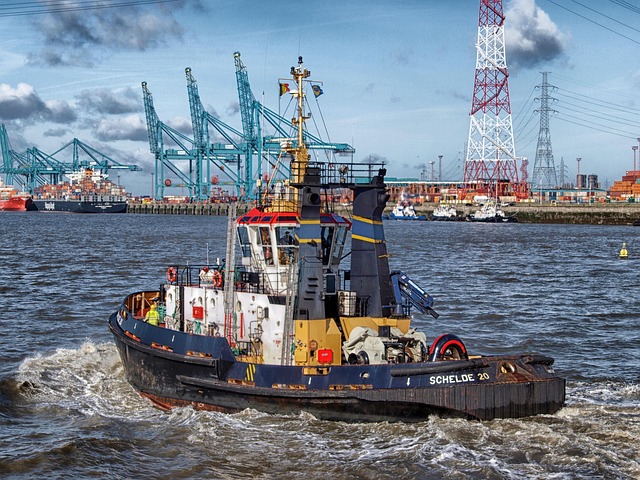
Most of this activity is concentrated around Antwerp. The Port of Antwerp-Bruges connects maritime imports with refineries, petrochemical plants, pipelines, inland waterways, railways and road distribution systems. This allows crude oil and refined products to move between Belgium, the Netherlands, Germany, France and other European markets.
The country therefore plays two different roles. It is an oil consumer that depends completely on foreign crude supplies, but it is also a processor and distributor serving a much larger regional market. Belgium imports considerably more petroleum than it needs for domestic energy use because part of the supply is refined, transformed into petrochemical products or exported again.
Oil remains important to Belgian transport, aviation, shipping, construction and industry. Petroleum also has a major non-energy role as a feedstock for chemicals, plastics and other manufactured products. This industrial demand gives the Belgian oil sector a broader economic function than fuel sales alone.
Imported Crude Supports a Large Antwerp Refining Base
Belgian refineries receive crude from international suppliers through the Port of Antwerp-Bruges and the wider Amsterdam-Rotterdam-Antwerp trading system. The country’s location gives operators access to North Sea, Atlantic, Middle Eastern, African and American crude streams, allowing refineries to adjust their purchasing according to price, quality and availability.
Two large Antwerp facilities dominate the sector. TotalEnergies operates an integrated refinery and petrochemical platform with crude-processing capacity of approximately 338,000 barrels per day. ExxonMobil also operates a major Antwerp refinery, historically rated at more than 300,000 barrels per day. Together, these sites place Belgium among Europe’s most significant refining locations despite its lack of domestic oil fields.
The refineries are designed to produce fuels such as gasoline, diesel, kerosene, heating oil, marine gasoil and liquefied petroleum gas. They also supply naphtha and other intermediate products to nearby chemical plants. Integration between refining and petrochemical operations improves efficiency because streams produced by one facility can become feedstock for another.
The ExxonMobil refinery includes a delayed coker that converts heavy, high-sulphur residual material into higher-value transport fuels. TotalEnergies’ Antwerp site combines refining, petrochemical production and polymer manufacturing within the same industrial platform. These complex facilities are better positioned than simple refineries to process different crude grades and respond to changes in European product demand.
Belgium’s refining strength does not remove its exposure to international markets. Every barrel of crude must arrive from abroad, and refinery profitability depends on crude prices, transport costs, energy expenses, product margins and competition from newer facilities in Asia and the Middle East.
Antwerp Connects Oil Refining With European Trade
Belgium’s oil industry is closely tied to the logistics network surrounding Antwerp. Tank farms provide storage for crude oil, refinery feedstocks and finished products. Pipelines move materials between terminals, refineries, chemical plants and distribution centres, while barges carry fuels along the Rhine-Scheldt inland waterway system.
The Rotterdam-Antwerp Pipeline links the Belgian refining centre with the Netherlands. Although its commercial use has changed over time, the connection strengthens Antwerp’s integration with Rotterdam, one of the world’s largest oil trading and storage markets. Belgium can also distribute petroleum products by pipeline and inland shipping toward major industrial and population centres.
This infrastructure helps explain why Belgium is both a major importer and exporter of oil products. Refineries do not serve only Belgian consumers. They process crude for a regional market and produce specialized fuels and feedstocks that may be shipped to several countries.
The Port of Antwerp-Bruges also contains Europe’s largest integrated chemical cluster. Refineries supply raw materials to chemical companies producing plastics, solvents, synthetic materials and industrial components. As a result, petroleum entering Belgium may pass through several stages of industrial processing before leaving the country as fuel, chemical feedstock or manufactured material.
This concentration creates commercial advantages but also increases exposure to industrial disruption. Refinery shutdowns, shipping delays, pipeline problems or labour action can affect supply well beyond Belgium. The port’s regional importance makes operational reliability and security essential parts of the national oil system.
Domestic Demand Is Concentrated in Transport and Industry
Road transport remains one of Belgium’s largest sources of petroleum demand. Diesel has historically held an important position because of freight transport, company-car use and the country’s role as a European logistics centre. Gasoline, aviation fuel and marine fuels also support substantial demand.
Belgium’s dense motorway network and location between several large European economies generate heavy commercial traffic. Antwerp and Zeebrugge serve international shipping, while Brussels Airport and other aviation activities require reliable jet-fuel supplies. Heating oil continues to be used in some residential and commercial buildings, although its role is gradually declining.
A large share of Belgium’s oil consumption is not burned as fuel. The petrochemical sector uses petroleum-derived feedstocks to manufacture chemicals, plastics and industrial materials. This means falling road-fuel demand will not automatically remove oil from the Belgian economy. The future of the sector will also depend on European manufacturing, chemical demand and the ability to introduce recycled or lower-carbon feedstocks.
Electric vehicles, tighter emissions rules and improvements in energy efficiency are reducing the long-term growth prospects for gasoline and diesel. This is already changing the balance of products required from Belgian refineries. Demand for conventional road fuels is expected to weaken, while aviation fuel, petrochemical feedstocks and certain specialized products may remain more resilient.
Strategic Stocks Protect a Fully Import-Dependent Market
Because Belgium produces no crude oil, emergency reserves are central to national energy security. Belgian oil stocks are managed through ASEVA, formerly known as APETRA, a state-owned company responsible for maintaining the country’s required emergency supply.
European Union rules require member states to hold oil stocks equal to at least 90 days of net imports or 61 days of domestic consumption, depending on which calculation creates the larger obligation. Belgium’s requirement is strongly influenced by its large import and refining system.
Emergency stocks may consist of crude oil and finished products stored in Belgium or, under approved arrangements, elsewhere in Europe. Holding both crude and refined fuels provides flexibility. Crude can support continued refinery operations, while product stocks can reach consumers more quickly during a supply interruption.
Belgium’s extensive commercial storage network strengthens this system, but emergency stocks cannot remove every risk. A prolonged shipping disruption, refinery outage or major international supply shock could still affect prices and product availability. The country therefore relies on diversified imports, regional infrastructure and coordinated European crisis planning as well as physical reserves.
Antwerp’s Refineries Are Being Reshaped Rather Than Simply Replaced
The main question facing Belgian oil is not whether the country can produce crude domestically. It is whether Antwerp can remain competitive as European petroleum demand declines and environmental requirements become stricter.
European refineries face high energy costs, carbon expenses and competition from newer plants in other regions. At the same time, lower gasoline and diesel consumption may leave too much refining capacity within the European market. Large, integrated and technically complex sites are generally better placed to survive this pressure, but they must continue investing.
Belgian operators are beginning to adapt existing facilities. TotalEnergies has introduced plans for sustainable aviation fuel production through co-processing at Antwerp, allowing renewable material to be processed alongside conventional petroleum feedstocks. The company has also added battery storage and is changing parts of its petrochemical operation. Other projects around the port are focused on carbon capture, hydrogen, waste processing and circular feedstocks.
These developments do not immediately remove crude oil from Antwerp. Instead, they create a mixed industrial system in which conventional refining operates alongside renewable fuels, recycled materials and lower-carbon technologies.
Belgium’s future oil role will therefore remain downstream and regional. Domestic fuel demand is likely to contract, but Antwerp’s infrastructure, technical expertise and petrochemical integration could preserve its importance. The decisive issue will be whether its refineries can lower emissions, control costs and redirect production toward the fuels and industrial feedstocks that Europe continues to require.