Energy infrastructure is the physical system that allows societies to produce, move, convert, store, and use energy. It includes coal mines, oil fields, gas pipelines, refineries, power plants, transmission lines, ports, storage tanks, substations, fuel terminals, dams, solar farms, wind projects, LNG terminals, and the digital systems that now manage electricity flows. Behind every light switch, fuel pump, factory, railway, data center, and shipping route is a long chain of infrastructure that turns natural resources into usable power.
The history of energy infrastructure is not only a story of technology. It is also a story of logistics, geography, finance, state power, industrial growth, and international trade. Countries that built strong energy systems gained the ability to industrialize, urbanize, defend themselves, and expand commercial networks. Countries with weak infrastructure often had resources in the ground but limited ability to convert them into national wealth.
Modern energy systems developed in layers. Wood, water, and animal power formed the early base. Coal supplied the first industrial energy networks. Oil created a new global fuel system built around drilling, refining, shipping, and motor transport. Natural gas required pipelines, processing plants, underground storage, and later liquefied natural gas terminals. Electricity created the grid, one of the most complex infrastructure systems ever built. Nuclear power added high-density generation with specialized fuel and safety systems. Renewables have added a new wave of infrastructure built around variable power, storage, transmission expansion, and digital grid management.
Understanding energy infrastructure means understanding the supply chain behind energy itself.
Energy Before Industrial Infrastructure
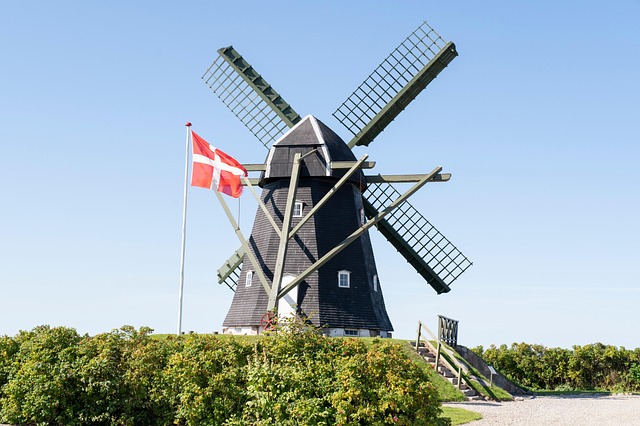
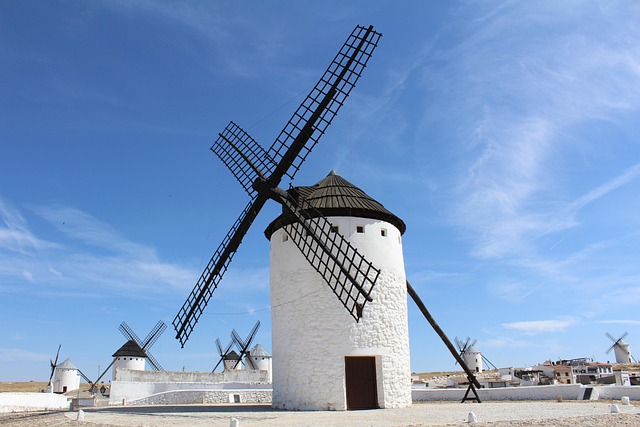
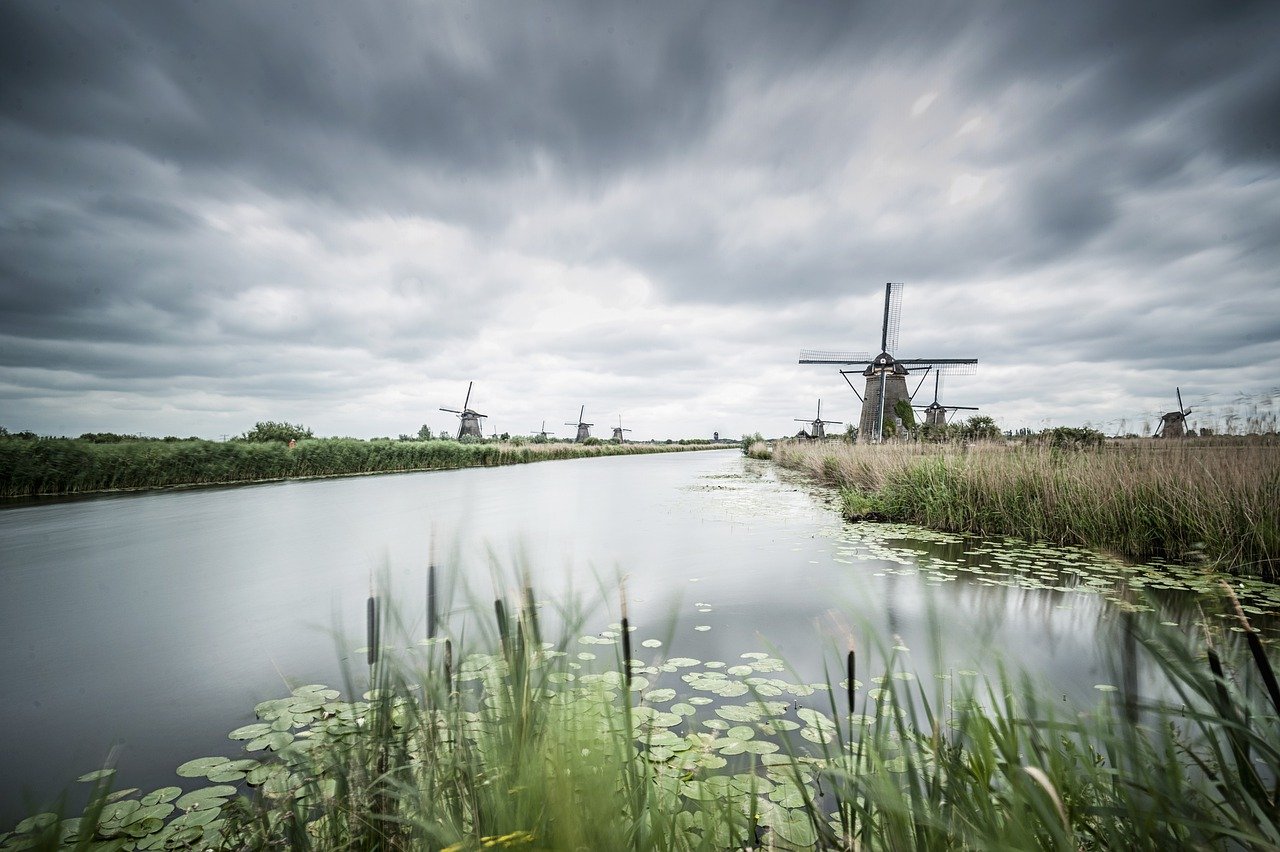
Before modern energy infrastructure, most societies relied on local, low-density energy sources. Wood was the dominant fuel for heating, cooking, metalworking, brickmaking, and small-scale industry. Charcoal supported iron production in many regions. Watermills and windmills converted natural motion into mechanical work for grinding grain, sawing timber, pumping water, and processing materials. Animal power remained essential for agriculture and transport.
These early systems had infrastructure, but it was mostly local. A pre-industrial energy supply chain might include forests, charcoal burners, carts, roads, rivers, mills, storage barns, and workshops. Energy did not travel far unless it was converted into portable fuel such as charcoal or carried through trade routes as firewood, peat, or whale oil.
The limits of this system were clear. Wood supply depended on land availability. Cities could exhaust nearby forests. Watermills depended on rivers and seasons. Windmills worked only where wind conditions allowed. Production was tied closely to geography, and energy use could not scale easily with urban and industrial demand.
The first major shift came when coal moved from a local heating fuel to the foundation of industrial infrastructure. Coal changed the energy equation because it was dense, storable, transportable, and well suited for steam power. The development of coal mining, canals, railways, ports, and steam engines created the first large-scale fossil fuel supply chains. Energy could now be extracted in one place, transported across long distances, and used to power factories, ships, railways, and cities.
Coal and the Birth of Industrial Energy Networks
Coal was the first modern energy infrastructure fuel. Its rise depended not only on mining, but also on the ability to move heavy material from mines to markets. In early industrial regions, coalfields became the anchors of new transport systems. Canals, wagonways, ports, and later railways were built to connect mines with factories, ironworks, cities, and export terminals.
Coal infrastructure reshaped the geography of industrial development. Factories often grew near coalfields, ports, or rail corridors. Iron and steel production clustered around areas where coal, iron ore, and transport links came together. Cities expanded because coal allowed dense urban populations to heat homes, run factories, and power public services.
The steam engine intensified this transformation. At first, steam engines helped pump water from mines, allowing deeper coal extraction. Then steam power moved into factories, ships, locomotives, and power stations. Coal became both the input and the enabler of industrial infrastructure. It fueled the machines that mined more coal, moved more goods, and built more infrastructure.
The coal supply chain became a model for later energy systems. It included exploration, mine development, labor systems, rail transport, port handling, storage yards, power generation, industrial boilers, and household distribution. It also created a close relationship between energy and state policy. Governments had to manage mining rights, rail concessions, labor conflict, urban pollution, and strategic fuel supply.
Coal also exposed the central challenge of energy infrastructure: production alone is not enough. A coalfield without transport has limited value. A factory without reliable fuel cannot scale. A city without delivery networks cannot grow. The industrial era showed that energy infrastructure is a chain, and every weak link limits the whole system.
Oil Infrastructure and the Global Fuel Economy
Oil created a different kind of energy infrastructure. Unlike coal, crude oil usually had to be drilled, gathered, transported, refined, stored, and distributed before it could become useful at scale. The oil industry therefore grew as a connected system of wells, pipelines, refineries, tank farms, ports, tankers, railcars, filling stations, and petrochemical plants.
Early oil production was driven by demand for kerosene lighting, lubricants, and industrial uses. The arrival of the internal combustion engine changed the sector completely. Gasoline, diesel, jet fuel, fuel oil, and petrochemical feedstocks turned oil into the central fuel of the twentieth century. Transport systems, military logistics, aviation, agriculture, plastics, and global trade became deeply tied to oil infrastructure.
The refinery became one of the most important pieces of the oil supply chain. Crude oil itself is not a single product. Refineries separate and process it into usable fuels and materials. This created a geography in which oil-producing regions, refining centers, ports, and consumer markets could be separated by oceans. A country could produce crude but lack refining capacity. Another country could import crude and become a major refining hub. A third could have no crude production but depend heavily on imported finished fuels.
Pipelines became essential because oil had to move continuously and safely from fields to refineries, ports, and storage terminals. Tankers globalized the oil market by linking producing regions with industrial consumers across the world. Strategic chokepoints, such as narrow straits and major canals, became critical to energy security because they controlled the movement of crude and petroleum products.
Oil infrastructure also changed the relationship between energy and geopolitics. Major producing countries gained strategic leverage. Import-dependent countries built reserves, diversified suppliers, and protected maritime routes. National oil companies became central institutions in many economies. International oil companies developed global networks of exploration, production, refining, and trade.
The history of oil infrastructure shows how energy supply chains can become global systems. A barrel of crude may be produced offshore, moved through subsea pipelines, stored at a coastal terminal, shipped across an ocean, refined in another country, distributed by truck or pipeline, and finally consumed as gasoline, diesel, jet fuel, or petrochemical feedstock.
Natural Gas and the Pipeline Age
Natural gas developed later than oil as a major global energy source because it is harder to transport and store. For much of early oil history, gas associated with crude production was often flared or used locally. It became more valuable when pipeline networks made it possible to move gas from fields to cities, power plants, factories, and households.
Gas infrastructure is built around pressure, distance, and demand density. The supply chain begins with production from gas fields or associated gas from oil operations. Gas then needs gathering systems, processing plants, compression stations, pipelines, storage sites, distribution networks, and end-use connections. Processing is often necessary to remove liquids, sulfur, carbon dioxide, water, and other impurities.
Pipelines turned natural gas into a major energy source for heating, power generation, industry, and chemicals. Large pipeline networks allowed gas to serve dense urban markets and industrial corridors. Underground storage helped balance seasonal demand, especially in countries where winter heating created major consumption swings.
Liquefied natural gas added a second major infrastructure model. LNG made it possible to cool gas into liquid form, load it onto specialized ships, and deliver it to markets that were not connected by pipeline. This created a global gas trade with liquefaction plants, export terminals, LNG carriers, regasification terminals, storage tanks, and downstream pipeline connections.
Natural gas infrastructure has often been promoted as flexible because gas-fired power plants can respond more quickly than coal or nuclear plants. Gas also supports fertilizer production, petrochemicals, industrial heat, and residential heating. For many countries, gas became a bridge between coal-heavy systems and lower-carbon electricity. For others, gas created new import dependencies and exposure to global price swings.
The history of natural gas infrastructure highlights one of the most important supply-chain principles in energy: transportation technology can determine whether a resource is valuable. Gas in the ground has limited economic power without pipelines, processing, storage, and reliable customers.
Electricity Grids and the Rise of Centralized Power
Electricity transformed energy infrastructure by separating energy production from energy use. Instead of burning fuel at every factory, shop, or home, electricity allowed power to be generated at central plants and delivered through wires. This created the modern grid: a system of generation, transmission, substations, distribution lines, transformers, meters, and control centers.
Early electricity systems were local. Power stations served small urban districts, factories, streetlights, and tram networks. Over time, larger plants and longer transmission lines allowed regional grids to develop. Alternating current made long-distance transmission more practical, and utilities began building interconnected networks that could serve cities, industries, and rural areas.
The grid became the backbone of modern economic life. It supported lighting, refrigeration, elevators, telecommunications, rail systems, manufacturing, hospitals, schools, water treatment, and later computing. Electricity access became one of the clearest markers of development because it expanded both household welfare and industrial capacity.
Power generation infrastructure developed in several waves. Coal-fired power plants supplied baseload electricity in many industrial economies. Hydropower projects used dams and rivers to produce electricity while also supporting irrigation, flood control, and water supply. Oil-fired plants served islands, remote regions, and countries with access to fuel oil. Gas turbines and combined-cycle plants later became important because of their flexibility and efficiency.
Transmission infrastructure created another layer of strategic planning. Power plants were often located near coal mines, gas pipelines, rivers, ports, or cooling water, while demand was concentrated in cities and industrial regions. High-voltage transmission lines connected these points. Substations stepped voltage up and down. Distribution systems delivered power to homes and businesses.
The electricity grid also introduced a new challenge: supply and demand must remain balanced in real time. Unlike coal piles or oil tanks, electricity is difficult to store at large scale without specialized systems. Grid operators had to manage frequency, voltage, reserve margins, outages, maintenance, and peak demand. This made electricity infrastructure not only physical, but operational.
Hydropower, Dams, and State-Led Development
Hydropower is one of the oldest forms of renewable energy, but modern hydropower infrastructure became especially important in the twentieth century. Large dams allowed countries to convert rivers into major electricity sources. They also became symbols of national development because they combined power generation with water management, irrigation, navigation, and flood control.
Hydropower infrastructure depends on geography. Mountainous countries, river basins, high rainfall regions, and areas with strong elevation changes often have significant potential. The supply chain is different from fossil fuels because the resource is not mined or drilled. Instead, the key inputs are civil engineering, turbines, transmission lines, water rights, sediment management, and long-term operations.
Large dams often required state involvement because they were capital-intensive and politically complex. They affected land, communities, agriculture, ecosystems, and regional water flows. Many projects were financed or supported by governments, development banks, and public utilities. In some countries, hydropower became the foundation of national electrification. In others, it created cross-border tensions where rivers passed through multiple states.
Hydropower also shaped industrial geography. Cheap electricity from dams supported aluminum smelting, mining, heavy industry, and urban expansion. In regions with limited fossil fuel resources, hydropower reduced import dependence and provided domestic generation.
However, hydropower infrastructure introduced seasonal and climate risks. Drought can reduce output. Sedimentation can limit reservoir capacity. Changing rainfall patterns can alter long-term generation. Large dams also require extensive transmission connections, since the best hydropower sites are often far from the largest cities.
The history of hydropower shows how energy infrastructure can be both an electricity system and a national water system. It is not just about generation. It is about rivers, land, agriculture, flood control, regional politics, and long-term resource management.
Nuclear Energy and High-Density Power Infrastructure
Nuclear power added a new type of energy infrastructure after the Second World War. Unlike coal, oil, or gas plants, nuclear power stations use a small volume of highly concentrated fuel to produce large amounts of electricity. This made nuclear energy attractive for countries seeking reliable baseload power, reduced fuel import exposure, and advanced industrial capacity.
The nuclear supply chain is specialized. It includes uranium mining, conversion, enrichment, fuel fabrication, reactor construction, plant operations, maintenance, regulation, safety systems, spent fuel management, and decommissioning. Some countries developed full or partial domestic fuel-cycle capabilities. Others relied on international suppliers for reactor technology, fuel, and technical support.
Nuclear infrastructure requires strong institutions. Regulators must oversee safety, licensing, security, waste management, emergency planning, and operating standards. Utilities need highly trained engineers, long-term maintenance systems, and a stable financial base. Construction requires complex project management and large capital investment.
Nuclear power influenced grid planning because reactors are usually designed to operate continuously at high capacity. In many countries, nuclear plants became major baseload assets, supplying steady electricity to support industry and urban demand. They also helped reduce reliance on imported fossil fuels or limit exposure to fuel price volatility.
The sector has faced persistent challenges. Accidents changed public opinion and regulatory standards. Construction delays and cost overruns affected project pipelines. Waste disposal remained politically difficult. Some countries expanded nuclear power aggressively, while others limited or phased it out.
From an infrastructure perspective, nuclear energy shows that energy systems are not only about physical assets. They also depend on trust, regulation, technical workforce development, safety culture, and long-term planning across decades.
Renewable Energy and the New Infrastructure Map
Renewable energy has changed the geography of energy infrastructure again. Solar, wind, geothermal, biomass, and modern hydropower do not follow the same supply-chain model as coal, oil, or gas. Many renewable projects have no fuel supply chain after construction. Their main infrastructure needs are project development, equipment manufacturing, land access, grid connection, power electronics, storage, transmission, and balancing systems.
Solar power depends on sunlight, land or rooftop space, panels, inverters, mounting systems, substations, and grid access. Wind power depends on wind resources, turbines, towers, blades, roads, cranes, transmission lines, and maintenance networks. Offshore wind adds ports, vessels, subsea cables, marine construction, and coastal grid infrastructure. Geothermal depends on drilling, underground heat resources, steam systems, and plant operations. Biomass depends on feedstock collection, transport, processing, and combustion or conversion facilities.
Renewables have lowered the importance of fuel logistics in some power systems but increased the importance of grid logistics. The best solar and wind resources are often far from demand centers. Transmission lines, substations, interconnectors, and storage systems are needed to move and balance electricity. Battery storage has become increasingly important for managing short-term fluctuations, while pumped hydro, demand response, and flexible generation help stabilize larger systems.
Renewable infrastructure has also created new industrial supply chains. Solar panels, wind turbines, batteries, inverters, rare earth materials, copper, lithium, nickel, and grid equipment are now central to energy planning. Countries that once focused mainly on fuel imports now also worry about technology imports, mineral supply, manufacturing capacity, and equipment standards.
The renewable era has not eliminated the need for traditional infrastructure. Instead, it has shifted the bottleneck. In many countries, the limiting factor is no longer whether there is enough sun or wind. It is whether the grid can connect projects, move power, manage variability, and support investment at scale.
Ports, Pipelines, Storage, and the Logistics of Energy Trade
Energy infrastructure is deeply tied to logistics. Coal terminals, oil ports, LNG facilities, fuel depots, pipelines, railways, storage tanks, and shipping routes determine how energy moves between regions. These assets are especially important for countries that import or export large volumes of fuel.
Ports became central to the global coal and oil trades. Export terminals load bulk carriers and tankers. Import terminals unload fuel for power plants, refineries, industrial users, and distribution networks. Storage facilities allow countries and companies to manage price changes, supply disruptions, and seasonal demand.
Pipelines are critical for oil and gas because they allow large volumes to move continuously over land and undersea. Pipeline routes can define regional energy politics. A country with pipeline access may have lower transport costs and more secure supply. A country bypassed by pipelines may rely more heavily on ports, shipping, and storage.
LNG infrastructure has become especially important for gas security. Countries with regasification terminals can import gas from multiple suppliers, while pipeline-dependent countries may have fewer options. Floating storage and regasification units have added flexibility by allowing faster deployment than permanent onshore terminals.
Storage is one of the least visible but most important parts of the energy supply chain. Oil tanks, gas storage caverns, coal stockpiles, battery systems, pumped hydro reservoirs, and thermal storage all help balance supply and demand. Without storage, energy systems are more exposed to disruptions, price spikes, weather events, and operational failures.
Energy trade infrastructure shows that supply security is not only about owning resources. It is also about having routes, terminals, storage, contracts, and flexibility.
The Digitalization of Energy Infrastructure
Modern energy infrastructure increasingly depends on digital systems. Grid operators use sensors, forecasting tools, control software, automated dispatch, and real-time monitoring to balance electricity systems. Oil and gas companies use digital tools for exploration, drilling, pipeline monitoring, refinery operations, and trading. Renewable developers depend on forecasting, remote monitoring, and power electronics.
Digitalization has improved efficiency, reliability, and visibility across the energy supply chain. Smart meters help utilities understand demand. Grid management systems help integrate variable renewable power. Predictive maintenance can reduce outages at power plants, refineries, pipelines, wind farms, and substations. Energy traders use data to manage fuel flows, storage levels, and price exposure.
The digital layer has also created new vulnerabilities. Cybersecurity is now a core energy infrastructure issue. A modern power grid or pipeline network can be disrupted not only by storms, equipment failure, or fuel shortages, but also by cyberattacks. As systems become more connected, energy security increasingly includes data security, software resilience, and control-system protection.
Digital infrastructure is now part of the physical energy system. A transmission line, pipeline, or power plant cannot be understood only as steel and concrete. It is also a managed asset inside a wider network of sensors, communications, control rooms, and software.
Energy Infrastructure and National Development
The history of energy infrastructure is closely tied to national development. Reliable energy systems support industrial growth, transportation, agriculture, mining, housing, education, public health, and digital services. Weak energy infrastructure limits economic growth even when a country has natural resources.
Electricity access is one of the most important development indicators. Without reliable power, factories cannot operate efficiently, hospitals face higher risks, schools have limited resources, and businesses depend on costly backup generators. Fuel infrastructure matters as well. Transport systems require diesel, gasoline, jet fuel, and increasingly electricity. Agriculture depends on fuel, fertilizer, irrigation, cold storage, and processing.
Energy infrastructure also affects public finance. Producing countries may rely on oil, gas, coal, or electricity exports for government revenue. Importing countries may face pressure from fuel subsidies, currency shortages, and trade deficits. Countries with efficient infrastructure can reduce losses, lower costs, and attract investment. Countries with fragile systems often pay more for energy while receiving less reliable service.
The connection between energy and development is especially clear in industrial policy. Steel, cement, chemicals, mining, data centers, ports, railways, and manufacturing all require large and reliable energy supplies. A country that wants to climb the industrial value chain must build energy infrastructure that can support heavier and more complex demand.
Energy systems therefore function as economic platforms. They do not only serve existing demand. They shape what kind of economy a country can build.
The Main Bottleneck: Building Infrastructure Faster Than Demand Grows
The central challenge in energy infrastructure history has always been timing. Demand can grow faster than mines, wells, refineries, power plants, grids, pipelines, ports, and storage systems can be built. Infrastructure requires capital, permits, land, engineering, equipment, skilled labor, and long planning cycles. Energy demand can surge quickly because of population growth, industrialization, urban expansion, extreme weather, or new technologies.
This mismatch creates recurring bottlenecks. A country may have enough generation but weak transmission. It may have oil production but insufficient refinery capacity. It may have gas reserves but no pipeline to market. It may have strong solar potential but limited grid connections. It may have growing electricity demand but aging distribution networks. It may have import terminals but not enough storage.
Infrastructure delays can become national economic constraints. Power shortages reduce industrial output. Fuel shortages disrupt transport and agriculture. Grid congestion prevents renewable projects from delivering power. Port limits raise import costs. Pipeline constraints force producers to flare gas or shut in production.
Financing is often the hardest bottleneck. Energy infrastructure is capital-intensive, and investors need confidence in regulation, tariffs, contracts, demand, currency stability, and political risk. Public utilities may struggle with debt. Private investors may hesitate if payment systems are weak. Large projects can become delayed when costs rise or policy changes.
The history of energy infrastructure shows that supply chains do not fail only because resources are scarce. They also fail when infrastructure is late, incomplete, underfunded, or poorly connected.
The Future of Energy Infrastructure
The next stage of energy infrastructure will be shaped by electrification, decarbonization, resilience, and energy security. Electricity demand is expected to grow as transport, heating, industry, data centers, and digital services expand. This means grids will become even more important. Transmission lines, substations, distribution upgrades, storage systems, and grid software will be central to national energy planning.
Renewables will continue to drive new infrastructure investment, but they will require stronger networks. Solar and wind projects need faster grid connection, better permitting, larger balancing areas, and more storage. Hydropower will remain important where geography supports it, but climate variability will make water management more complex. Nuclear power may expand in countries that prioritize firm low-carbon generation and have the institutions to support it.
Oil and gas infrastructure will not disappear quickly. Transport fuels, petrochemicals, aviation, shipping, industry, and backup power will continue to rely on liquid and gaseous fuels in many regions. Some infrastructure may be adapted for lower-carbon uses, including hydrogen, carbon capture, ammonia, renewable fuels, and synthetic fuels. Refineries, ports, pipelines, and storage terminals may change roles over time rather than simply close.
Critical minerals will become a larger part of the energy supply chain. Copper, lithium, nickel, cobalt, graphite, rare earth elements, and other materials are essential for grids, batteries, motors, wind turbines, and solar systems. This will make mining, processing, recycling, and material logistics more important to energy security.
Resilience will also define the future. Energy systems must withstand storms, droughts, heat waves, cyberattacks, geopolitical shocks, and fuel price volatility. The most successful countries will not simply build more infrastructure. They will build systems that are flexible, redundant, secure, and adaptable.
Conclusion: Why Energy Infrastructure History Matters
The history of energy infrastructure is the history of how societies learned to move power across distance, time, and economic sectors. Every major energy transition created new supply chains. Coal required mines, railways, ports, and power plants. Oil required wells, pipelines, refineries, tankers, and fuel stations. Natural gas required processing plants, pipelines, LNG terminals, and storage. Electricity required grids, substations, control systems, and generation fleets. Renewables now require transmission expansion, storage, digital management, and new mineral supply chains.
Energy infrastructure matters because it determines whether resources can become useful energy. It shapes national development, industrial capacity, trade relationships, energy security, and the pace of transition. The countries that understand their infrastructure bottlenecks clearly are better positioned to build reliable, affordable, and adaptable energy systems.
The future of energy will not be decided only by what resources exist. It will be decided by the strength of the infrastructure that connects those resources to the people, industries, and economies that depend on them.