

Brazil Renewables
Brazil’s renewable sector combines hydropower, bioenergy, wind, and solar, but grid congestion now threatens its next stage of growth.
Brazil’s renewable sector combines hydropower, bioenergy, wind, and solar, but grid congestion now threatens its next stage of growth.

Argentina has world-class wind, solar and hydropower resources, but financing, transmission limits and policy uncertainty continue to shape growth.
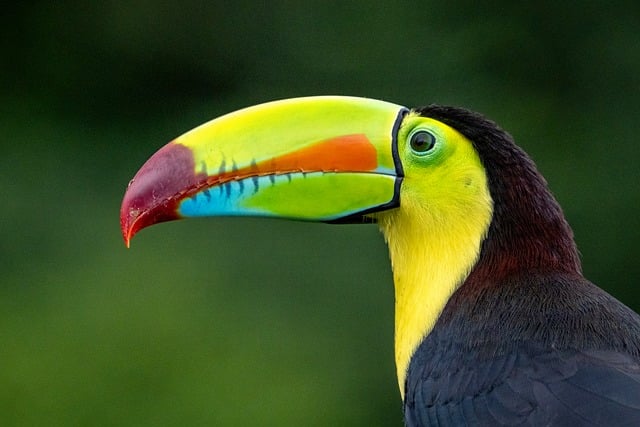
Costa Rica produces almost all its electricity from renewable sources, but drought, transport and rising demand define the next transition.
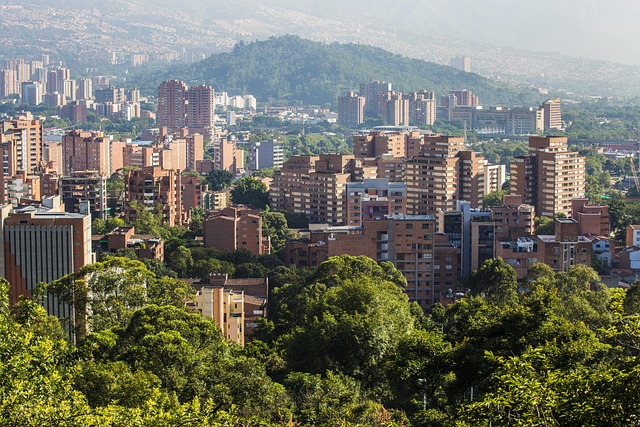
Colombia is expanding solar and wind power to reduce its dependence on hydropower, but transmission and community agreements remain decisive.
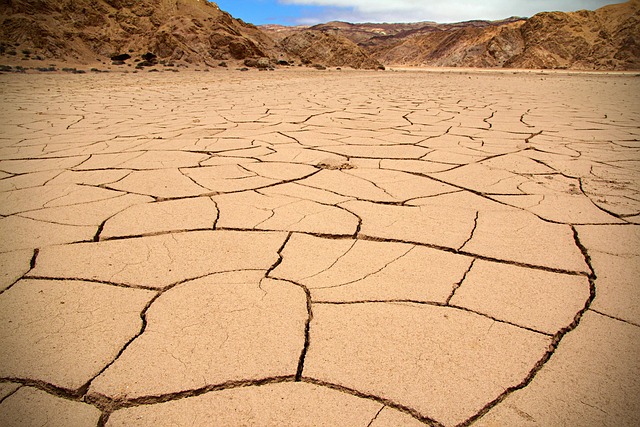
Chile’s renewable expansion is shifting from resource development toward the harder work of transmission, storage, and reliable power delivery.

Peru’s hydropower base is being joined by rapidly expanding wind and solar projects, but regulation and grid development will shape future growth.
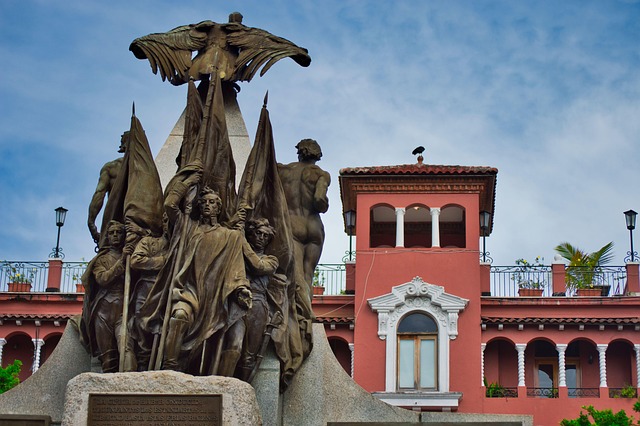
Panama’s renewable sector is built on hydropower, with solar and wind expanding to reduce seasonal risk and fossil-fuel dependence.
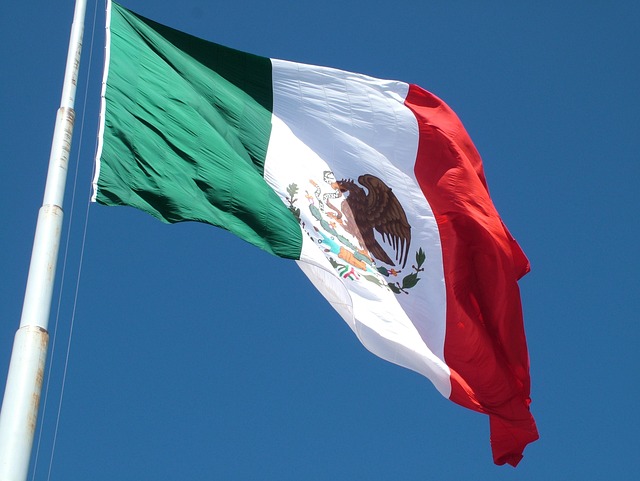
Mexico has world-class solar, wind, hydro and geothermal resources, but grid expansion and investment rules will decide how quickly they scale.

Uruguay’s renewable power system combines hydropower, wind, biomass and solar, while its next phase targets transport and green fuels.
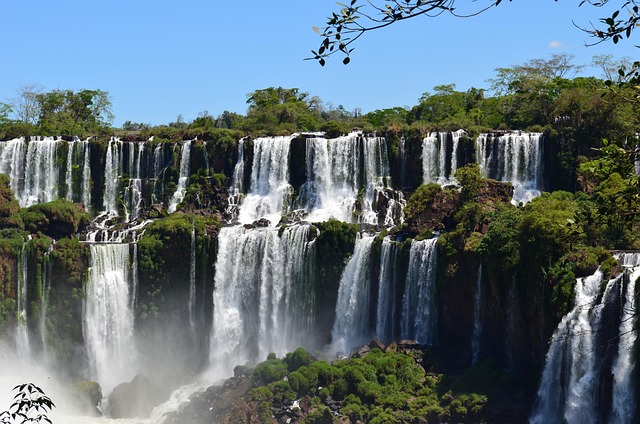
Argentina combines three operating reactors, a deep domestic nuclear industry and ambitious plans for life extensions, research reactors and SMRs.
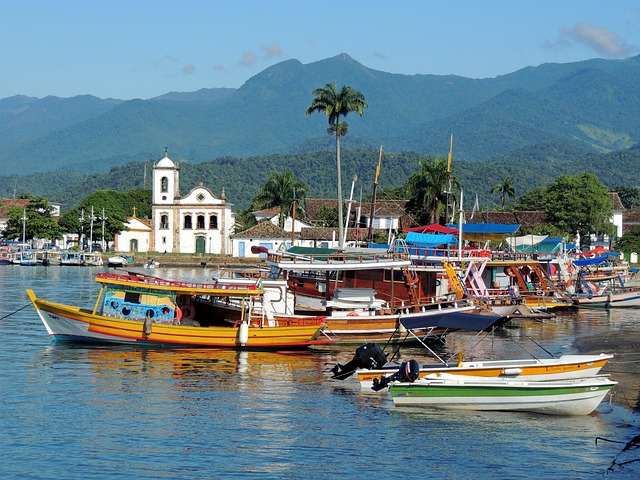
Brazil’s nuclear sector combines two operating reactors, an unfinished third unit, and a domestic fuel cycle with wider strategic potential.
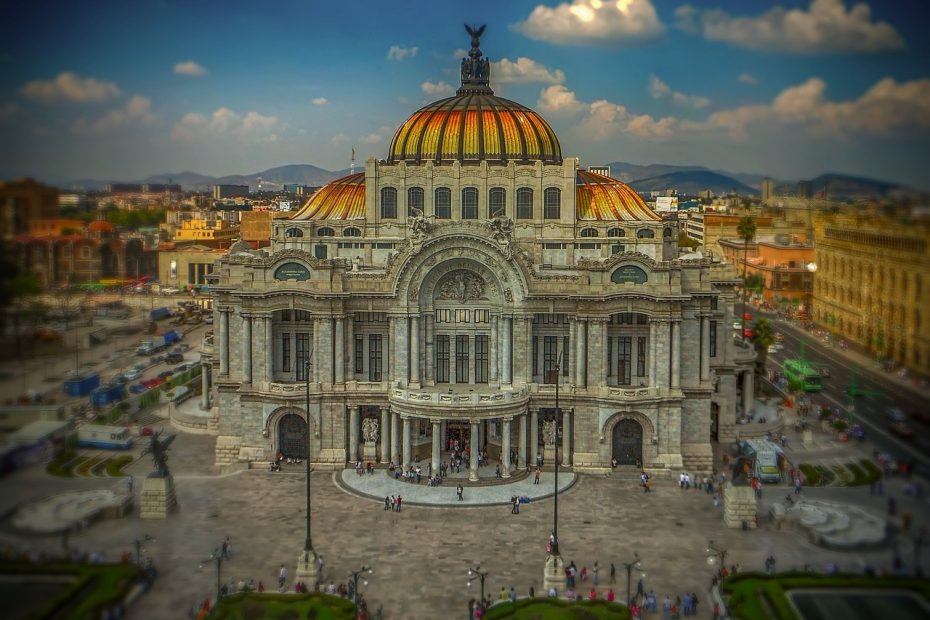
Mexico’s two Laguna Verde reactors provide firm low-carbon power, but policy remains focused on extending their lives rather than building new units.