
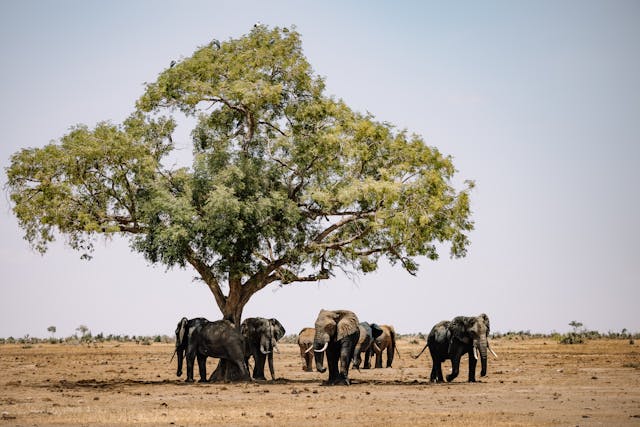
Zimbabwe Coal
Coal remains central to Zimbabwe’s power system and industrial plans, but ageing plants, drought pressure and pollution shape its future.
Coal remains central to Zimbabwe’s power system and industrial plans, but ageing plants, drought pressure and pollution shape its future.
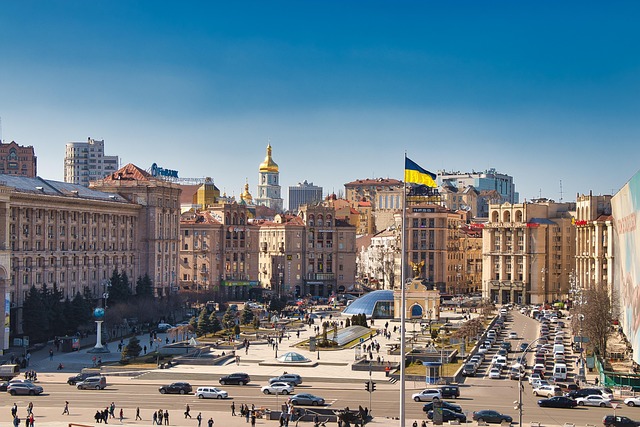
Ukraine’s coal sector now sits at the center of wartime energy security, damaged infrastructure, industrial loss, and postwar reconstruction.

Coal remains central to Turkey’s power system, linking domestic lignite, imported fuel, industrial demand, and a difficult energy transition.

Vietnam relies on coal to support fast-rising electricity demand, while growing imports and transition plans reshape its long-term energy strategy.

U.S. coal remains important to electricity, steelmaking and exports, but plant retirements and competing fuels continue to reshape the industry.

Thailand’s coal sector combines Mae Moh lignite with imported fuel for power and industry, even as the country plans a gradual phase-out.
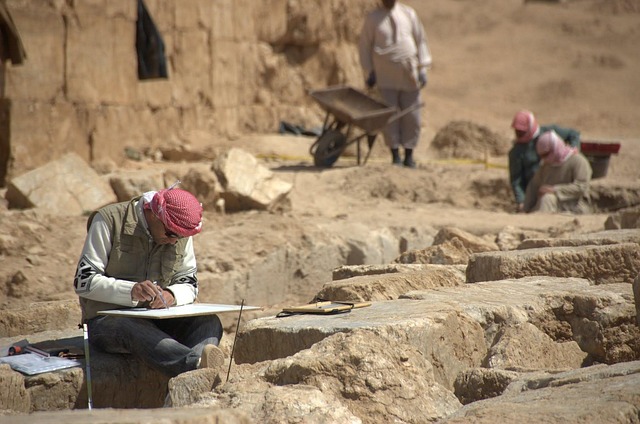
Coal remains marginal in Syria, but reconstruction, cement demand and fuel shortages may create a limited role for imported industrial coal.
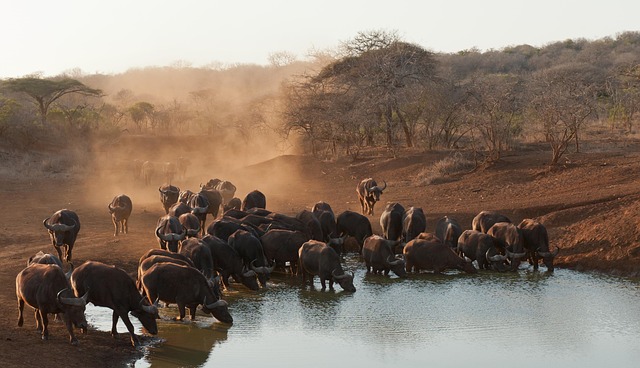
South Africa’s coal sector anchors electricity, mining and exports, but ageing power stations and weak rail logistics are reshaping its future.

South Korea remains a major coal importer, yet rising nuclear output and a formal phase-out process are steadily reducing coal-fired generation.
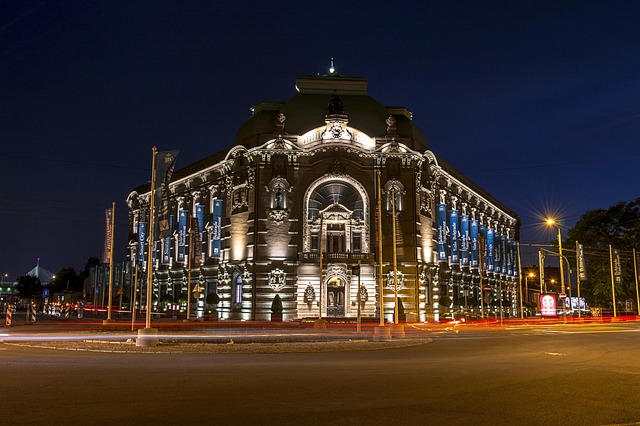
Serbia still depends on domestic lignite for most of its electricity, linking mine development, power reliability and energy transition.
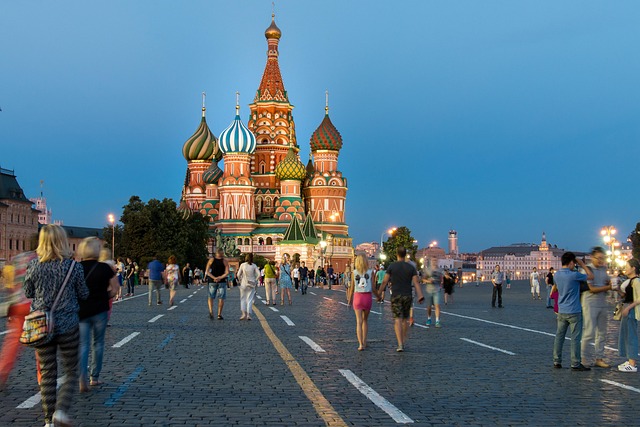
Russia remains a major coal producer, but sanctions, Asian trade routes and limited rail capacity now shape the industry’s direction.

Romania’s coal industry is shrinking toward a 2032 exit, with Oltenia lignite and delayed replacement projects shaping its final years.