
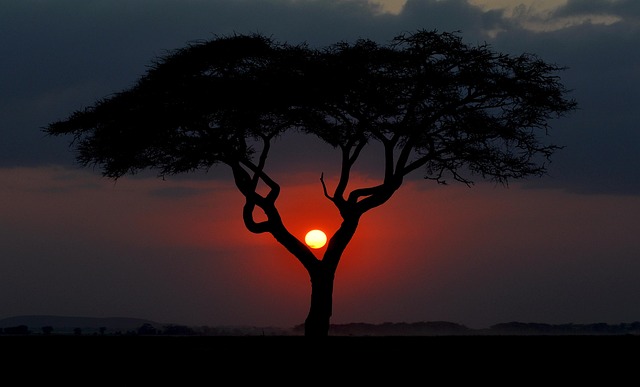
Kenya Renewables
Geothermal, hydropower, wind and solar give Kenya one of Africa’s cleanest power systems, although grid investment must keep pace with demand.
Geothermal, hydropower, wind and solar give Kenya one of Africa’s cleanest power systems, although grid investment must keep pace with demand.
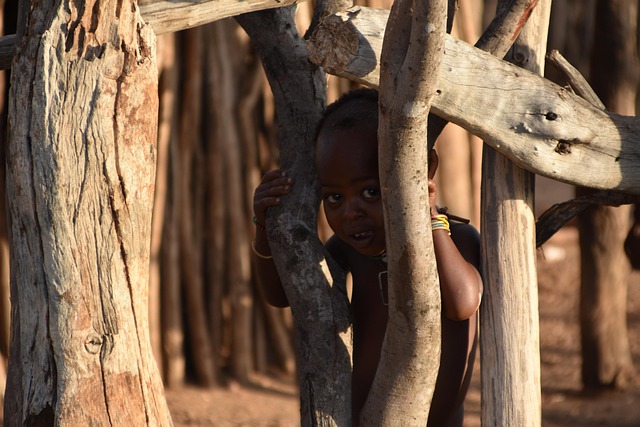
Ethiopia’s vast hydropower system is expanding rapidly, but grids, access and renewable diversification will determine its wider impact.

South Africa has strong wind and solar resources, but grid access, storage and coal-region transition will decide how quickly they reshape power.
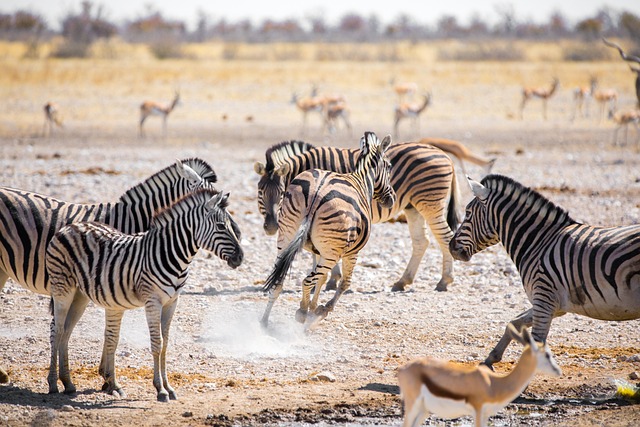
Namibia is using solar, storage and green hydrogen plans to reduce electricity imports and turn exceptional renewable resources into industry.
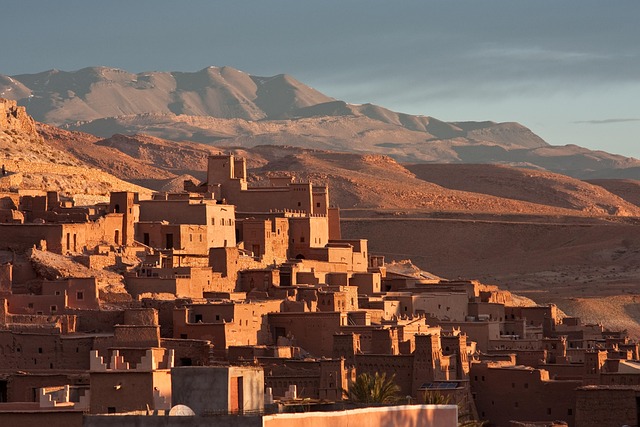
Morocco is expanding wind, solar and storage to reduce fossil-fuel dependence, strengthen its grid and build a green export economy.
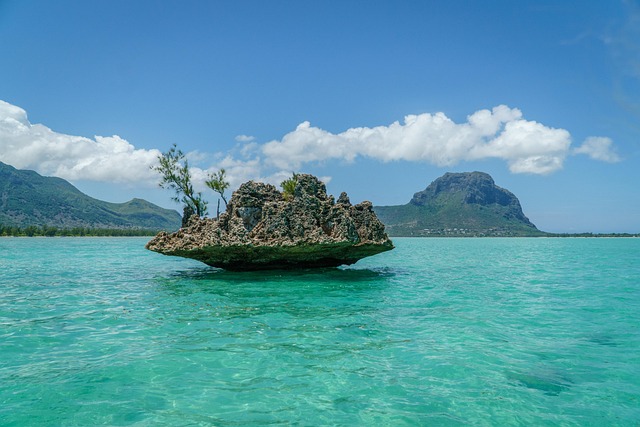
Mauritania’s solar and wind resources could widen electricity access, support mining and anchor a green hydrogen industry along the Atlantic coast.
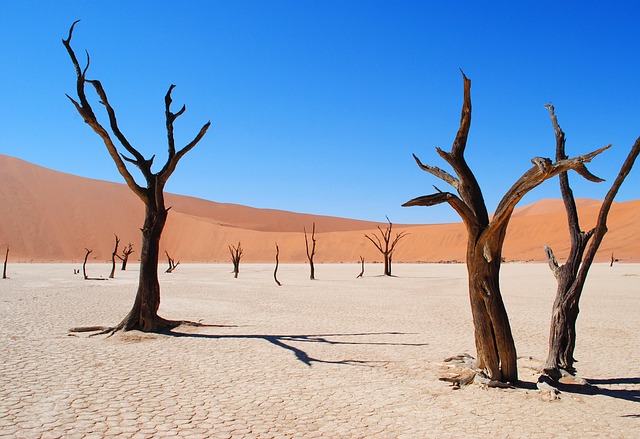
Namibia is a major uranium exporter now exploring nuclear power, but grid size, finance, regulation and water will determine what is realistic.
Niger’s nuclear sector is built on uranium rather than reactors, with mining control, export routes and domestic energy needs shaping its future.
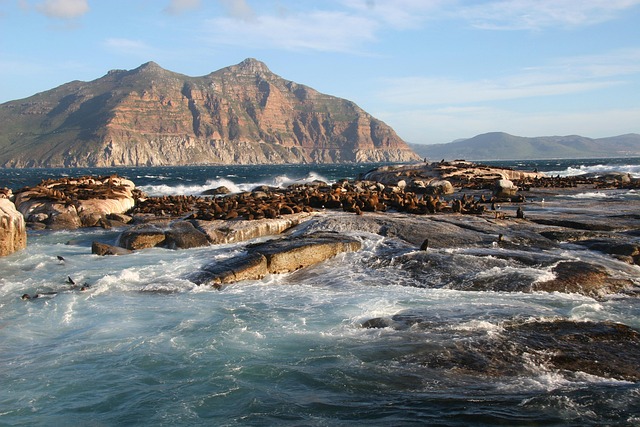
South Africa has secured Koeberg through the 2040s, but financing, public trust and procurement will decide whether new nuclear capacity follows.
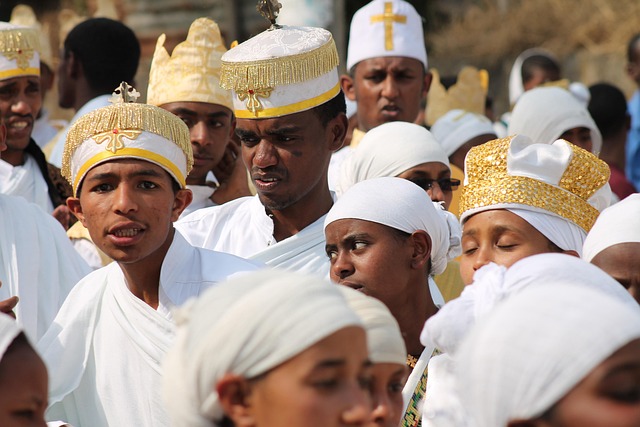
Ethiopia has built major hydropower and regional transmission assets, but electricity access still depends on stronger local grids and utilities.

Nigeria’s energy infrastructure combines a strained national grid with expanding gas, refining, mini-grid and state-level power systems.
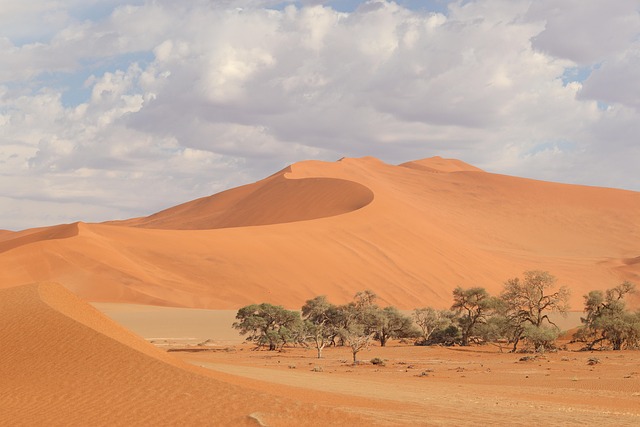
Namibia is reinforcing its national grid, adding battery storage and expanding regional links as it reduces reliance on imported electricity.