
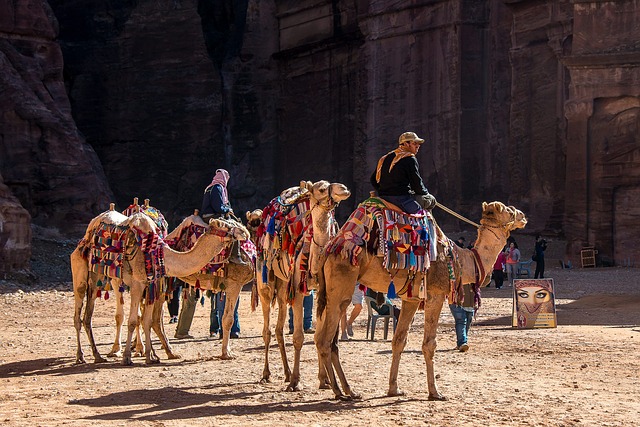
Jordan Renewables
Jordan has made solar and wind central to its electricity mix, but grid capacity, storage and system flexibility now define the next phase.
Jordan has made solar and wind central to its electricity mix, but grid capacity, storage and system flexibility now define the next phase.
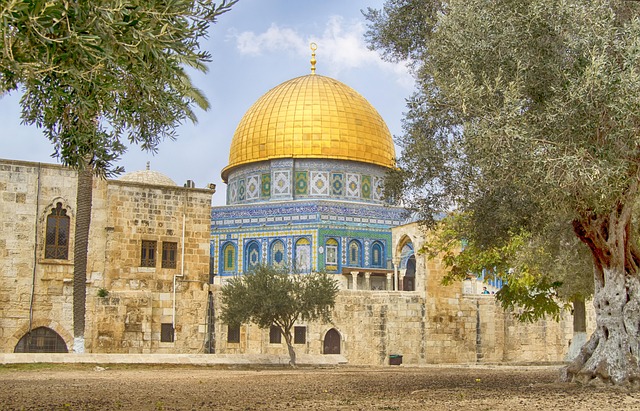
Israel has abundant solar resources, but reaching its renewable targets depends on rooftops, dual-use land, batteries and faster grid connections.
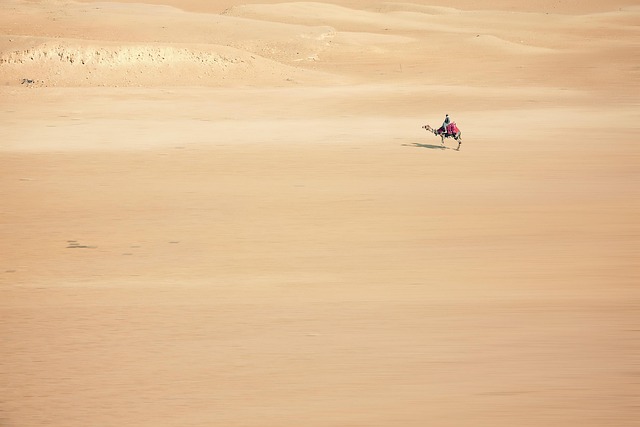
Egypt has exceptional solar and wind resources, but grid investment, financing, storage, and project delivery will determine their national impact.
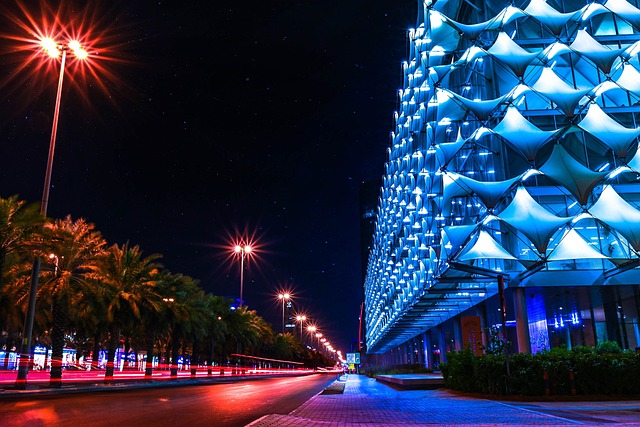
Saudi Arabia is converting exceptional solar resources, large state-backed investments and competitive tenders into a rapidly expanding power sector.
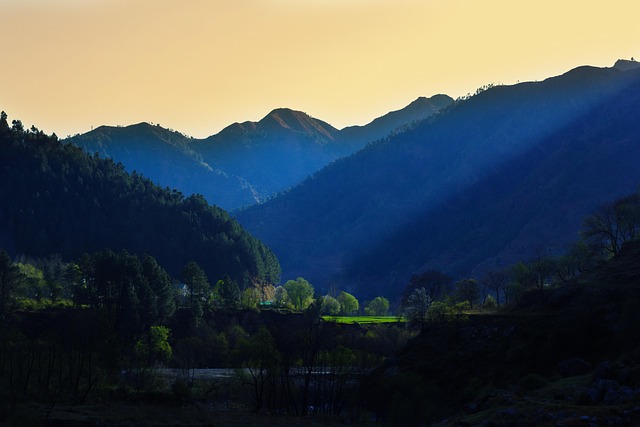
Pakistan’s renewable shift is driven by hydropower, rapid solar adoption, wind corridors, and pressure to reduce fuel-import dependence.
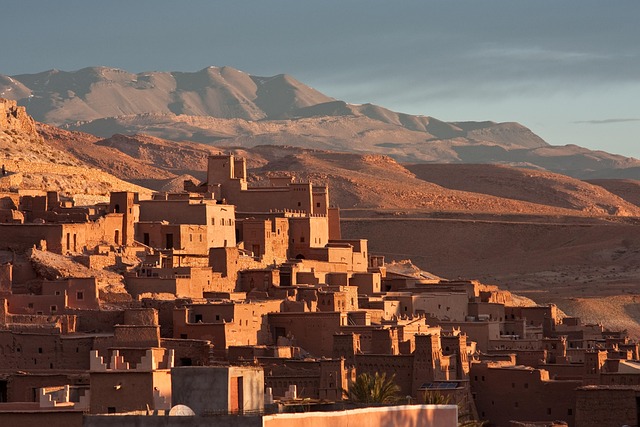
Morocco is expanding wind, solar and storage to reduce fossil-fuel dependence, strengthen its grid and build a green export economy.
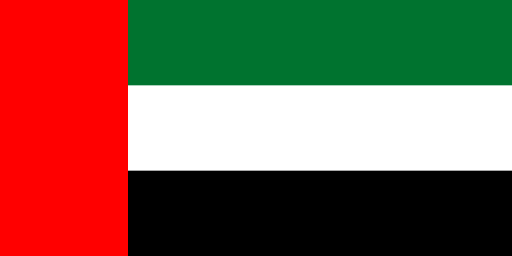
The UAE is scaling solar, storage and flexible clean-power systems to reduce gas use and build a globally competitive renewable-energy industry.
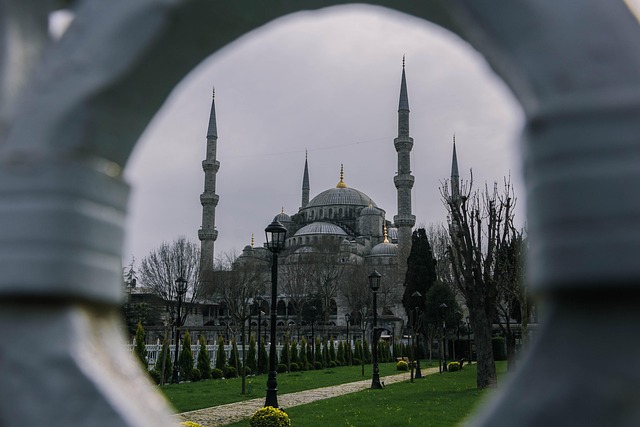
Türkiye’s renewable sector is shifting from a hydro-led system toward rapid solar and wind growth, supported by auctions, industry and grid expansion.
Egypt’s El Dabaa project is turning a decades-old nuclear ambition into four large reactors designed to strengthen long-term electricity security.
Turkey is preparing to enter commercial nuclear power through Akkuyu while pursuing additional plants, local expertise, and long-term capacity.
Barakah has made nuclear power a core part of the UAE electricity system, reducing gas use while building a new high-skill energy industry.
Iran’s nuclear power sector remains centred on Bushehr, where reactor expansion is shaped by Russian cooperation, sanctions and security risks.