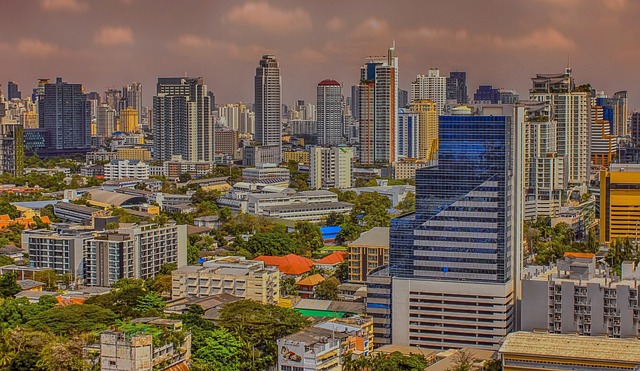
Thailand has one of Southeast Asia’s largest and most developed energy systems. It supports a major manufacturing base, large cities, busy ports, tourism centers and transport networks that stretch from the northern mountains to the southern peninsula. Yet the country does not produce enough fuel to meet all this demand. Thailand relies on imported crude oil, liquefied natural gas, coal and electricity, leaving energy prices closely connected to events outside its borders.
Natural gas remains the foundation of electricity generation, while oil dominates transport and much of the wider energy economy. Coal still provides firm power, but its long-term position is under pressure. At the same time, Thailand is expanding solar power, biomass, battery storage, regional grid connections and electric transport. The central question is whether the country can reduce its dependence on imported fossil fuels without weakening the reliability or affordability of its power system.
Why Natural Gas Still Defines Thailand’s Electricity System
Thailand’s modern power system was built around natural gas from the Gulf of Thailand. For many years, offshore production offered a relatively secure domestic fuel for combined-cycle power stations. Gas plants could supply large industrial areas, respond to changing electricity demand and produce fewer local air pollutants than older coal or oil plants.
That structure remains visible today. In 2024, natural gas produced close to three-fifths of Thailand’s electricity. It was by far the largest single fuel in the power mix, ahead of coal, imported electricity and domestic renewable generation. Thailand’s peak electricity demand also reached a new high during that year, reflecting hot weather, air-conditioning use and stronger economic activity.[1]
The problem is that domestic gas fields are mature. Thailand still receives gas from the Gulf of Thailand, the Malaysia–Thailand Joint Development Area and Myanmar, but liquefied natural gas has become increasingly important. PTT reported in 2026 that LNG represented approximately 40 percent of national gas demand, while domestic and regional pipeline sources supplied the remaining share.[2]
This change has weakened one of the original advantages of Thailand’s gas-based power system. Domestic gas once protected electricity producers from some movements in the global fuel market. LNG must be purchased through international contracts or spot markets, transported by ship and processed through import terminals. When global LNG prices rise, the effect can reach Thai electricity bills.
Thailand has therefore developed major LNG infrastructure along its eastern seaboard, close to power stations, petrochemical plants, ports and industrial estates. The Map Ta Phut area in Rayong is especially important because it connects LNG terminals, gas-processing facilities and pipelines with the country’s main industrial region.
Natural gas will not disappear quickly. Thailand has a large fleet of modern gas-fired plants, and these stations can help balance solar and wind generation. However, the country’s energy strategy is increasingly shaped by the cost of maintaining a gas-heavy system when more of the fuel must be imported.
Oil Connects Thailand’s Refineries, Roads and Industrial Coast
Oil plays a different role from natural gas. Only a small amount of Thailand’s electricity comes from oil, but petroleum remains central to transport, aviation, shipping, construction, agriculture and industry. Cars, motorcycles, buses and freight trucks make road transport one of the country’s largest areas of fuel consumption.
Thailand produces some crude oil and condensate from domestic fields, but the volumes are far below national refinery demand. Imported crude therefore supplies most of the refining system. In recent years, crude oil has also represented the largest part of Thailand’s energy import bill.[3]
This import dependence is balanced by a strong downstream industry. Thailand has about 1.2 million barrels per day of refining capacity, placing it among the largest refining centers in Southeast Asia. Refineries on the eastern coast and near Bangkok produce gasoline, diesel, jet fuel, liquefied petroleum gas and petrochemical feedstocks for the domestic market and export trade.[4]
The relationship between oil and the eastern seaboard is important. Rayong, Chonburi and nearby provinces contain ports, refineries, chemical complexes, gas facilities and automobile plants. Energy infrastructure helped turn this region into the center of Thailand’s export manufacturing economy. It also means that disruptions affecting crude shipments, refineries or maritime routes can have effects well beyond filling stations.
Thailand has tried to reduce petroleum dependence through biofuels. Gasohol blends use ethanol produced from crops such as sugarcane and cassava, while biodiesel creates demand for palm oil. These programs connect energy policy with farming and rural incomes. They also reduce some demand for imported petroleum, although land use, crop prices and fuel standards limit how far biofuels can expand.
Electric vehicles could produce a larger structural change. Thailand is already a major automobile manufacturing center and wants to remain important as global production moves toward electric cars. EV adoption would reduce some oil demand, but it would also move more transport energy onto an electricity system that still depends heavily on gas.
Coal Remains a Question of Reliability, Cost and Regional Employment
Coal and lignite continue to supply an important part of Thailand’s electricity. Coal-fired generation is smaller than gas generation, but it provides steady output and reduces the risk of relying on only one fuel. Thailand uses both domestically mined lignite and imported higher-grade coal.
The country’s best-known coal center is Mae Moh in Lampang province. The mine and power complex have played a major role in northern Thailand’s economy for decades. Mae Moh supports electricity generation, local employment and public revenue, but it is also connected to long-running concerns about air pollution, land use and community health.
This makes coal policy more complicated than a simple plant-closing schedule. The mine, power station and surrounding economy developed together. A rapid shutdown would affect workers, suppliers and communities, while extended operation would continue emissions and delay the transition to cleaner power.
Thailand’s experience during periods of high LNG prices has also shown why coal remains politically difficult to remove. Coal plants can serve as an alternative when imported gas becomes expensive or uncertain. Retirement dates at Mae Moh have been adjusted, and some units have received life extensions or temporary returns to service when national authorities placed more weight on fuel security and electricity prices.[5]
Imported coal also supplies private power stations and industrial users, particularly cement and other heat-intensive industries. As a result, ending domestic lignite production would not automatically end coal consumption.
The long-term direction is still downward. Thailand is not developing coal as the center of its future power system, and financing new coal projects has become more difficult. The more immediate challenge is managing a gradual reduction while protecting grid stability and creating other economic activity in coal-dependent areas.
EGAT, Private Generators and the Structure of the Thai Grid
Thailand’s electricity system combines strong public control with substantial private generation. The Electricity Generating Authority of Thailand, known as EGAT, owns major power stations, operates the national transmission network and purchases electricity from private producers and neighboring countries.
Two other state utilities handle most distribution. The Metropolitan Electricity Authority serves Bangkok and nearby provinces, while the Provincial Electricity Authority covers most of the rest of the country. Independent power producers, small power producers and very small power producers own a large share of generation capacity, but much of their electricity is sold into the national system through long-term contracts.
At the end of 2024, Thailand had approximately 56 gigawatts of contracted generating capacity. The EGAT system alone included more than 51 gigawatts from EGAT plants, private producers and imported power. Private independent and small producers supplied more capacity than EGAT’s own stations, while imports represented about one-eighth of contracted capacity.[6]
This model has provided a high level of electricity access and enough reserve capacity to meet rising peak demand. It has also created debate about how much generation Thailand needs and how power-purchase agreements affect electricity costs. Some plants receive payments for remaining available even when the system does not require their full output.
The grid now faces a different technical challenge. Large gas and coal stations can be scheduled and controlled, but solar output changes with sunlight and weather. Rooftop solar can also reduce daytime demand from the grid before electricity use rises again in the evening. As variable renewable generation grows, Thailand will need stronger transmission lines, battery storage, pumped hydropower, improved forecasting and more flexible power plants.
Thailand’s long shape adds another infrastructure issue. Electricity must move between northern dams, northeastern renewable projects, central industrial zones, Bangkok and the southern peninsula. Areas with good solar, wind or biomass resources are not always located close to the largest centers of demand.
Imported Electricity Makes Thailand Part of a Regional Energy System
Thailand’s energy infrastructure extends beyond its borders. The country imports electricity from Laos and exchanges smaller amounts with Malaysia and other neighboring systems. Imported power accounted for around 15 percent of electricity supply in the 2024 fuel mix.[7]
Laos is the most important partner. Hydropower stations on Lao rivers sell large amounts of electricity to Thailand under long-term agreements. Some imported electricity also comes from coal-fired generation. These projects allow Thailand to access large power resources without building every plant inside its own territory.
Regional trade offers clear advantages. Hydropower can complement solar generation and reduce the amount of imported LNG required for electricity. Cross-border connections can also support the wider ASEAN goal of creating a more connected regional power market.
However, imported hydropower carries environmental and political questions. Large dams can change river flows, fisheries and local livelihoods. Hydropower output can also vary between wet and dry years. Thailand therefore cannot treat all imported electricity as a risk-free substitute for domestic generation.
The country’s location gives it a possible role as the central electricity corridor of mainland Southeast Asia. Power moving between Laos, Malaysia and Singapore must pass through or depend on Thai transmission infrastructure. Thailand could benefit from this position, but multilateral electricity trading requires agreements on transmission charges, grid access, contracts and responsibility for balancing supply.[8]
Solar Power Is Thailand’s Largest Renewable Opportunity
Thailand has strong solar resources across most of the country. The central plains, northeast and other open areas can support utility-scale solar farms, while factories, shopping centers, hotels and homes offer a large market for rooftop systems.
Solar is especially attractive because Thailand’s electricity demand rises during hot, bright periods when air-conditioning use is high. Solar panels can supply part of this daytime load close to where the electricity is consumed. They can also be installed faster than large thermal or nuclear plants.
One of Thailand’s most visible renewable projects combines floating solar panels with hydropower reservoirs. This approach uses existing water surfaces and transmission connections while allowing hydropower to support the system when solar output falls. Thailand has presented floating solar at EGAT dams as part of a wider plan to modernize existing energy assets rather than relying only on new sites.
The main barrier is no longer whether solar technology works. The challenge is integrating large volumes into the grid. Solar production is concentrated around the middle of the day, while household demand often remains high after sunset. Without batteries, flexible gas plants, pumped storage or stronger regional trading, rapid solar expansion could create periods of excess generation followed by steep evening demand.
Market structure matters as well. Large international manufacturers increasingly want direct access to renewable electricity so they can meet corporate emissions targets. Thailand has traditionally used a centralized utility model, which limits the ability of a generator to sell power directly to an industrial customer through the national grid. Pilot programs for direct and virtual power-purchase agreements show that the system is beginning to change, but wider market access remains under development.[9]
Biomass Links Renewable Energy With Thailand’s Agricultural Economy
Solar receives much of the attention, but biomass is one of Thailand’s most established renewable resources. The country’s large agricultural and food-processing sectors produce bagasse from sugar mills, rice husks, wood waste, palm residues, cassava waste and other materials that can be burned or converted into biogas.
Many biomass plants are located close to farms or processing facilities. Sugar mills can use bagasse to produce heat and electricity, while livestock and food businesses can capture biogas from organic waste. This reduces disposal problems and gives rural industries another source of income.
Biomass also has an advantage over solar and wind because it can often produce electricity when needed, provided that fuel is available. It can therefore support local grids and industrial heat demand.
Its environmental value depends on how the fuel is sourced. Agricultural waste can be useful, but dedicated fuel crops, forest pressure, transport emissions and open burning require careful management. Small plants may also face seasonal shortages because crop residues are not produced evenly throughout the year.
Wind power has a smaller role. Thailand does not have the same wind resources as some coastal or high-latitude countries, but useful sites exist in the northeast, along mountain ridges and in parts of the south. Wind can complement solar because production patterns are different, although transmission access and local land conditions limit development.
Hydropower Helps Balance the Grid but Depends on Water
Thailand operates domestic hydropower stations at major dams, but local hydropower supplies only a modest share of national electricity. Its importance is greater than this share suggests because reservoirs can respond quickly when demand changes.
Hydropower can support the grid during evening peaks, sudden plant outages or periods when solar generation falls. Pumped-storage projects can perform a similar role by using surplus electricity to move water uphill and releasing it later through turbines.
Water management creates competing priorities. Thai reservoirs are also used for irrigation, flood control, household water supply and environmental needs. Electricity generation cannot always be the first priority, especially during droughts.
Thailand’s monsoon climate produces both floods and dry periods. Climate change may make these patterns less predictable. This means hydropower and reservoir planning must consider the whole water system rather than treating dams only as power plants.
Nuclear Power Has Returned as an Option, Not Yet a Commitment
Thailand does not operate a commercial nuclear power plant. It has nuclear research and medical activities, including a small research reactor, but all grid electricity currently comes from fossil fuels, renewable energy, hydropower and imports.[10]
Commercial nuclear power has appeared in several Thai energy plans, but earlier proposals were delayed or removed. High construction costs, public confidence, regulatory preparation and the Fukushima accident all affected the debate.
Nuclear energy returned to national discussion through small modular reactors. The delayed draft Power Development Plan 2024 considered two 300-megawatt SMR units, creating a possible total of 600 megawatts by 2037. Supporters argue that SMRs could provide stable low-carbon power with smaller individual projects than conventional reactors. They could also support industrial zones that require constant electricity.
The proposal remains uncertain. The 2024 plan was not finalized, and by 2026 the government was preparing a new planning framework extending toward 2050. Thailand would still need to choose a technology, establish financing, strengthen regulation, select sites, develop waste policy and build public support before construction could begin.[11]
Nuclear power is therefore best described as a strategic option. It is part of the discussion about replacing gas and coal, but it is not yet an operating part of Thailand’s electricity mix.
Energy Security Is Now About LNG Prices, Shipping and Industrial Competition
Thailand’s energy security problem has changed. The country once focused on developing offshore gas and building enough power plants. It must now manage declining domestic resources, rising LNG exposure, crude oil imports, cross-border electricity and the demands of a more competitive industrial economy.
Imported energy creates several risks. A global gas shortage can raise electricity costs. Conflict near oil and LNG shipping routes can affect prices or deliveries. Weak currencies make imported fuels more expensive in local terms. Drought can reduce regional hydropower output, while extreme heat can raise electricity demand at the same time.
Energy policy also affects Thailand’s export competitiveness. Automobile, electronics, food, chemical and data-related industries increasingly face pressure to report and reduce the emissions linked to their electricity. Companies may direct new investment toward countries where they can obtain reliable renewable power at clear prices.
This makes clean electricity an economic issue as well as an environmental one. Thailand must provide enough power for factories and cities, but the type of electricity also matters to companies selling products into markets with stricter carbon rules.
Thailand’s New Energy Plans Must Turn Targets Into Infrastructure
Thailand’s draft power plans have proposed a major increase in renewable energy. The delayed draft PDP 2024 aimed for renewables to provide 51 percent of electricity generation by 2037, supported by solar power, storage, imported hydropower and other clean sources. By early 2026, however, that plan had still not been finalized, and officials were working on a revised PDP covering the period to 2050.[12]
The policy timetable has also changed because Thailand submitted a stronger climate commitment in 2025. Its NDC 3.0 set a goal of reducing net greenhouse gas emissions by 47 percent from 2019 levels by 2035, conditional on international support, and moved the national net-zero goal forward to 2050.[13]
Reaching those targets will require more than adding solar capacity. Thailand will need transmission projects, batteries, pumped storage, digital grid controls and clearer rules for private renewable purchases. It will also need to decide how quickly gas and coal plants should retire and how much imported electricity should enter the system.
Energy efficiency has an equally important role. Better air-conditioning, efficient factories, modern buildings and improved transport can reduce the need for new generating capacity. This is especially important in Thailand because cooling demand is a major driver of peak electricity use.
The Future of Energy in Thailand
Thailand is unlikely to replace its existing energy system through one technology. Natural gas will remain important because the country already owns a large gas-fired fleet. Oil will continue to serve transport, aviation and petrochemicals, even as electric vehicles grow. Coal will decline slowly because it still supports firm generation and regional employment. Nuclear power may enter the planning process, but commercial operation remains uncertain.
The clearest opportunity is a combination of solar power, agricultural biomass, storage, hydropower and stronger regional connections. Together, these resources could reduce LNG demand while supporting Thailand’s industrial economy.
Thailand’s energy transition will ultimately depend on infrastructure and market reform. Renewable targets alone will not change the system. The country must build the grid, storage capacity and commercial rules that allow cleaner electricity to reach factories, businesses and households without weakening reliability. That is the central energy challenge facing Thailand: moving away from imported fossil-fuel risk while preserving the dependable power that its economy requires.