
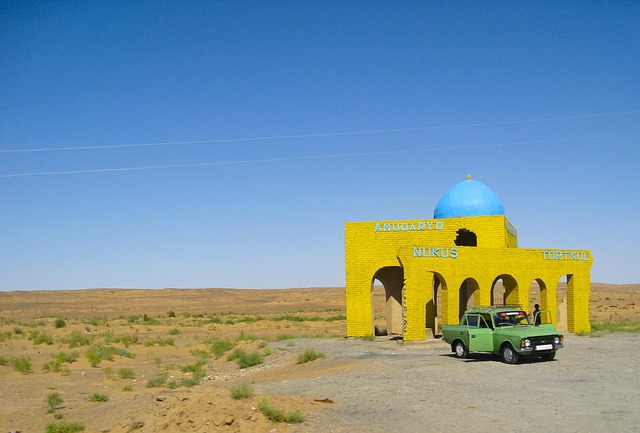
Uzbekistan Gas
Uzbekistan’s natural gas sector is shifting from export strength toward tighter supply, higher demand, and renewed upstream pressure.
Uzbekistan’s natural gas sector is shifting from export strength toward tighter supply, higher demand, and renewed upstream pressure.

The United States is the world’s defining natural gas growth market, shaped by shale production, LNG exports, and rising power demand.

Natural gas remains central to the United Kingdom’s energy security, even as North Sea decline increases reliance on imports.
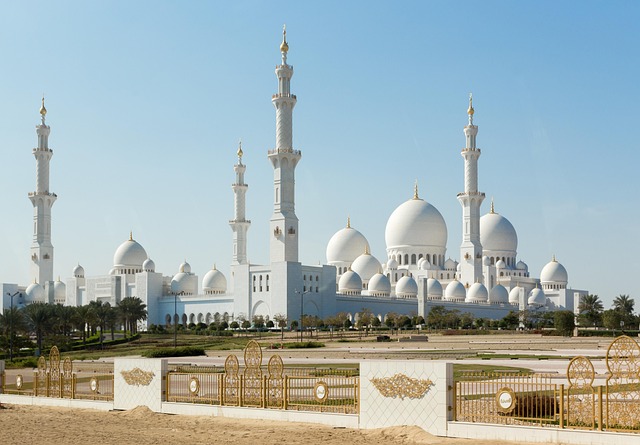
The UAE’s natural gas sector is shaped by sour gas development, LNG expansion, domestic demand, and ADNOC’s push toward gas self-sufficiency.
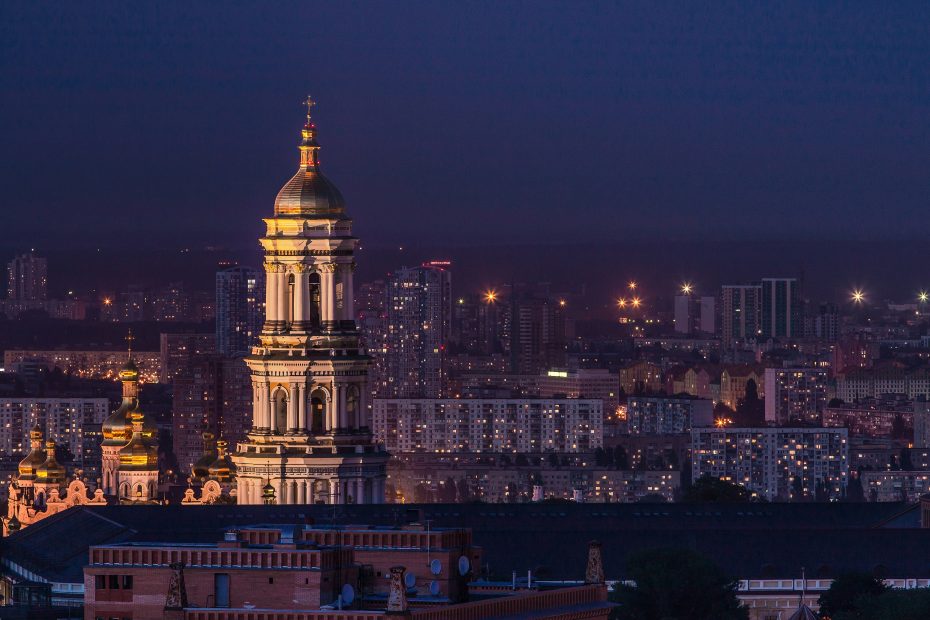
Ukraine’s natural gas sector is now defined by wartime resilience, domestic production, underground storage, and the end of Russian transit.

Turkmenistan holds vast gas reserves, but its sector depends on export routes, China demand, Galkynysh development, and pipeline politics.

Turkey’s natural gas sector is shaped by import dependence, Black Sea production, LNG growth, and its role as a regional transit hub.

Trinidad and Tobago’s natural gas sector anchors LNG, ammonia, methanol, and electricity, but feedgas shortages define its next phase.

Thailand’s natural gas sector is shifting from Gulf of Thailand production toward LNG imports, power-sector demand, and energy-security planning.
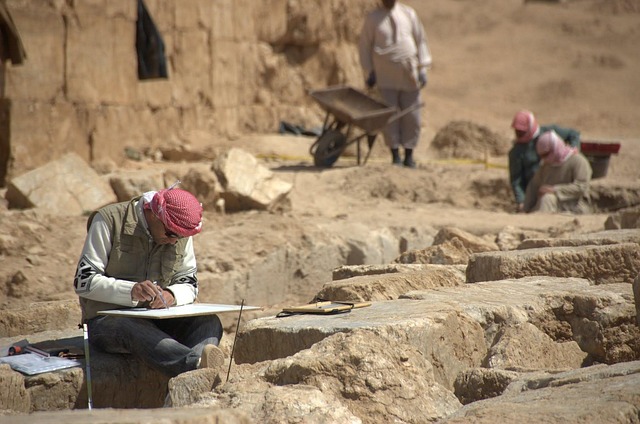
Syria’s natural gas sector is central to electricity recovery, but damaged fields, infrastructure losses, and investment risk limit revival.

South Korea’s natural gas sector is shaped by LNG imports, industrial demand, power generation, and long-term energy security concerns.

Spain’s natural gas sector depends on imports, LNG terminals, Algerian pipeline supply, and a changing role in Europe’s energy security.